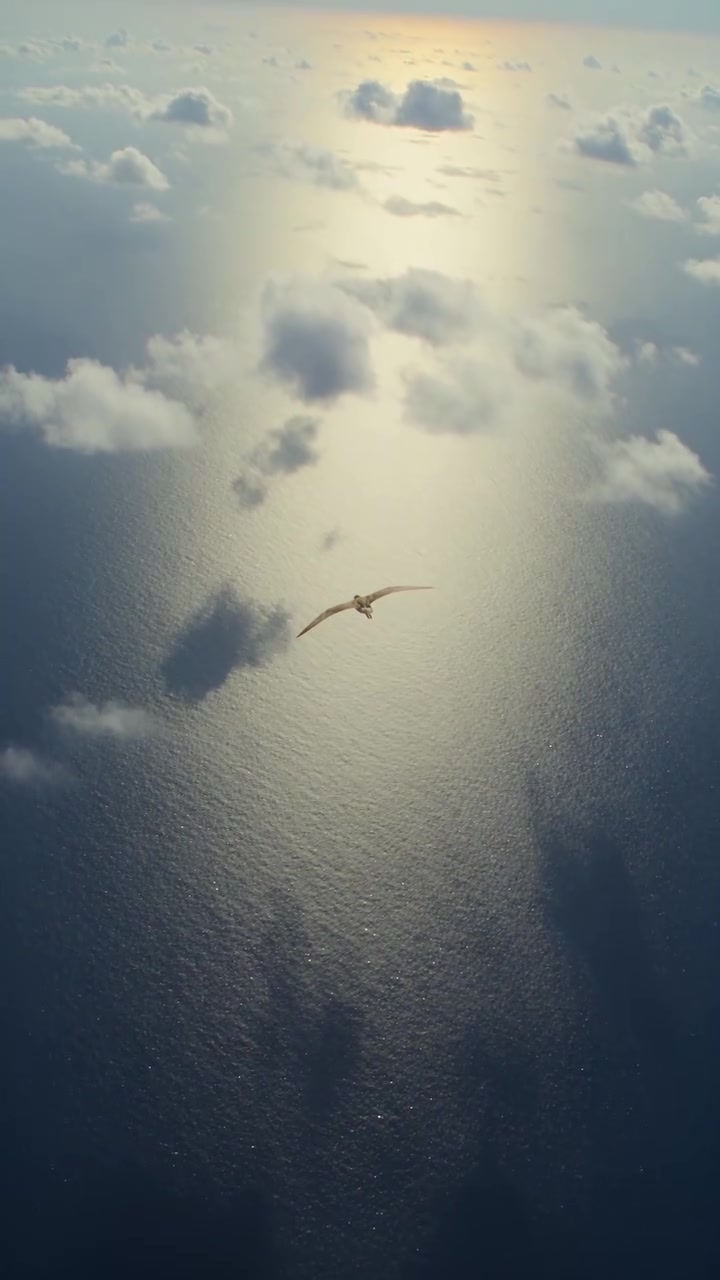
A bar-tailed godwit flew 13,560 kilometers from Alaska to Tasmania in 11 days without once touching down, fueled by the fat it stored in advance. To conserve energy and shed weight, this prodigious bird shrinks its stomach before takeoff. The distance covered was the longest non-stop flight ever recorded for a bird.
The Principle of Storing and Shedding
Flying for days without stopping is a staggering feat, a bar-tailed godwit achieved in October, 2022, flying about 13,560 kilometers from Alaska to Tasmania. It nearly doubles its weight in fat before takeoff, storing energy for the journey ahead. This isn't merely added weight for the bird to lug about, however. The fat stored in advance is all the fuel it will have, and it burns through it quickly. "It's fifty kilometers an hour, day and night, maybe sleeping half a brain at a time," DeepPlanetTV said, referring to a strategy where the bird rests half its brain at a time to get the rest it needs. It won't be feeding while in the air, and there's nothing to eat. The bird sheds weight throughout the trip—even resorting to consuming its own muscles. This helps the bird move as efficiently as possible, even as it travels across the open Pacific.
A Breeding Strategy for the Ages
Flying nonstop for such long periods are not normal but are instead connected to a specific part of the bird’s life cycle. Bar-tailed godwits migrate when young, during their maiden journey south to avoid the winter in the northern hemisphere. This is only one way they prepare to breed the next season. The energy it stores—weight it carries—only carries it so far, and the same survival tactics are employed by many of the bird’s relatives, like the red knot. A semester in the Pacific is also a way for the bird to migrate to a breeding ground in the far north. Weight is the limiting factor, and time spent feasting on the island of Victoria—where the bird's migratory route ends—is spent expanding the bird's weight, a process that happens within a couple months. The meaty godwit waits until the warmer spring months to mate, based on the growth of rump feathers.
Extreme Adaptations for Extreme Warfare
The flight itself is a remarkable feat. Imagine having to live like this, where every gram must fly as long as you are traveling across the Pacific. The godwits diet greatly alters to conserve energy. Even before departure, the bird greatly reduces its stomach. Then, during the trip, it must burn fuel reserves. As the bird flies, it might sleep by resting half its brain. This would make it more efficient to rest, but would still face the problem of staying in the air. The coming together of an unusually high amount of fat storage and a totally shrunk stomach foreshadows the dangers of the trip, the latter of which it condemns the bird to fighting muscle at the end. If there is nothing to eat, the bird must rely on its own muscles for a source of nutrients.
The Migration and What Comes Periodically After
As long as it's known that it’s young and juvenile, the bar-tailed godwit must fly from Alaska to Tasmania without stopping. The journey is primarily for migration. Birds often stop to lay eggs, and the bar-tailed godwit is no different. The bird travels from Alaska to Tasmania, and might even end up in Victoria when it makes its way back.
What Migrants Do After They Land
When a bird lands, it needs to call up all the old memories of the journey. When the bird landed, only half of its weight remained. The bird did not stop here, but went on to feed on the Tasmanian beach.
How Do Birds Travel to Their Breeding Grounds?
To properly get to their breeding grounds requires a meticulously planned journey, and the godwit will need to do something to their bodies. If you want to see how godwits travel to their breeding grounds, you should watch the birds fly thousands of miles. Just be patient, though, because the bird might take a break in the middle of the journey.
Watch the Reel
Questions readers ask
What exactly is a bar-tailed godwit and why is its flight so remarkable?
A bar-tailed godwit is a type of shorebird known for its extraordinary migratory capabilities. The flight from Alaska to Tasmania is remarkable because it covers 13,560 kilometers non-stop, making it the longest recorded flight for any bird. This journey takes 11 days, during which the bird relies on stored fat for energy and doesn’t eat or rest completely.
How does the bar-tailed godwit prepare for such an arduous journey?
Before takeoff, the bar-tailed godwit nearly doubles its weight in fat to serve as fuel for the journey. It also shrinks its stomach to conserve energy and shed weight throughout the trip. The bird may even consume its own muscles for sustenance during the flight.
What is the purpose of the non-stop flight?
The non-stop flight is part of the bar-tailed godwit’s migration strategy. Young birds make this journey to avoid the winter in the northern hemisphere and prepare to breed the next season. It’s a way to reach breeding grounds in the far north efficiently, and a strategy that many of its relatives, like the red knot, also employ.
What happens if the bird needs to rest during its non-stop flight?
The bird can't stop to rest, but it has adapted a strategy to sleep while flying. It rests half its brain at a time to get the rest it needs while continuing to fly. This unique adaptation allows it to conserve energy and stay in the air for the entire duration of the journey.
Why does the bar-tailed godwit migrate to Tasmania?
The bar-tailed godwit migrates to Tasmania as part of its breeding strategy. After reaching Tasmania, the bird spends time in the Pacific to migrate to a breeding ground in the far north. The journey is timed to ensure the bird arrives at the breeding grounds during the warmer spring months, when conditions are favorable for mating.
What kind of diet does the bar-tailed godwit have during this flight?
The bar-tailed godwit significantly alters its diet to conserve energy. Before departure, it reduces its stomach size. During the flight, it relies solely on its stored fat reserves, and if necessary, it will consume its own muscles for nutrients.
Can other birds perform similar feats of endurance?
While other birds, such as the red knot, employ similar survival tactics, the bar-tailed godwit’s non-stop flight from Alaska to Tasmania is unparalleled in terms of distance and duration. The specific adaptations and strategies used by the bar-tailed godwit make this journey uniquely challenging and remarkable.
Related deep dives
Similar reads based on topic and creator.




Recent articles
Fresh deep dives from the latest Reels we unpacked.

Comments
Be the first to comment.