Volcanic Darkness on the Caribbean
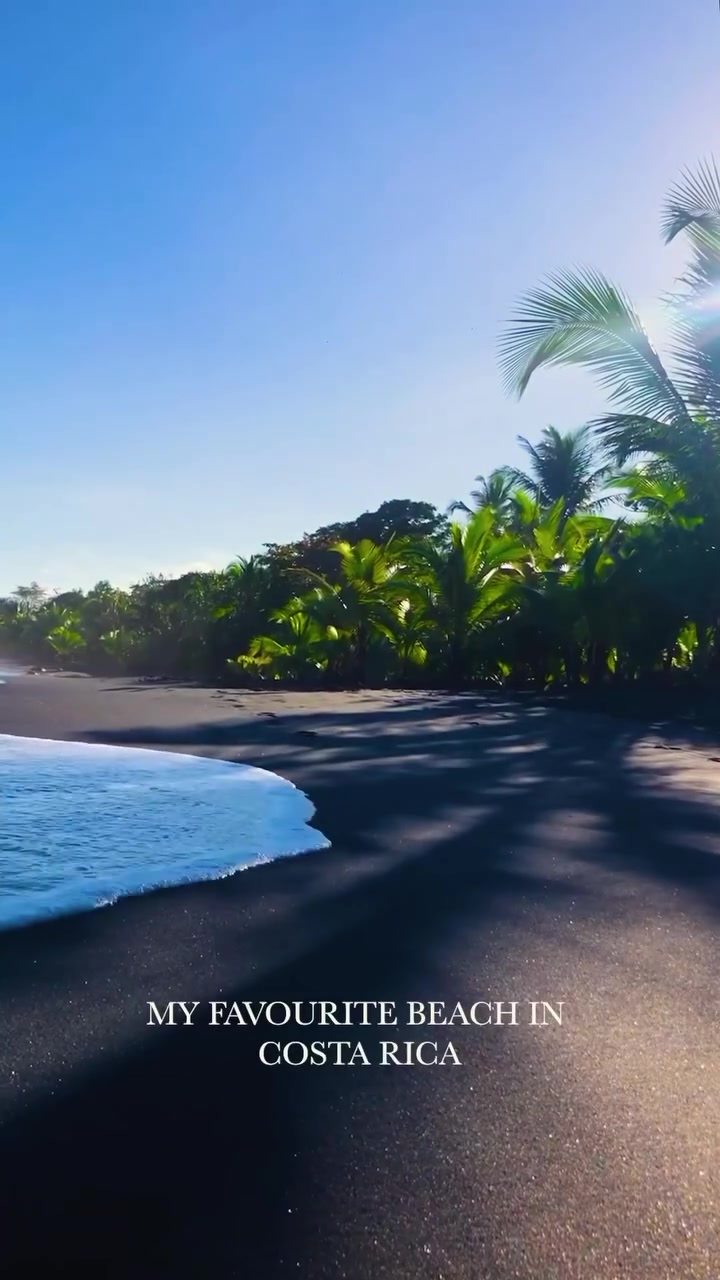
Playa Negra in Puerto Viejo, Costa Rica, is a rare black sand beach — one of only 70 in the world. The volcanic sands’ stark color contrasts the turquoise Caribbean Sea wash up against it. This beach in Costa Rica conjures laid-back vibes, surrounded by lush vegetation and a background of warm golden sun. Since Puerto Viejo is Costa Rica’s premier destination for surfing, Playa Negra is a favorite local hangout. Some 80,000 tourists visit Puerto Viejo each year, and surf lovers from near and far target the beach for the strong waves and scenic beauty of black sands.
The Magnetic Black Sand Beach
Black sand beaches have a mysterious draw. Playa Negra stands out with its eerie, stark look — a sliver of black converging with the Caribbean Sea, backed by verdant forests. The unusual color results from iron-rich lava that leaves black crystals behind as it cools. It is not the minerals that draw travelers but the visual punch of the black sands themselves. Sunset strolls along Playa Negra and the sight of black sand against the golden sun form the beach’s appeal — it’s as if Playa Negra challenges what you expect. 80% of tropical beaches have white sand, it has the opposite. Its tiny crystals painted a volcanic black make it an uncommon destination with surfers are drawn to.
Black Sand Beaches Are Unique
Volcanic Mineral Makeup
Black sand is formed precisely with the same minerals as white beaches — silica and iron. The difference is color: the simultaneous presence of iodine and manganese with iron tips the color to black. The entire Caribbean is known for beautiful beaches, but Playa Negra’s color reveals another world, less commonly repeated. Most beaches have minerals like calcium, magnesium, and lime, better known as limerock, making them white. Others are tinted brown, green, or red from traces of iron, but Playa Negra is far from typical.
The Caribbean Black Sand Surprise
Black sand beaches are scattered worldwide, but most occur in areas with volcanic activity. For instance, Hawaii and Iceland have several black sand beaches — volcanic regions where lava has cooled and worn down. There are 70 black sand beaches worldwide, but most are hard-driven to access, making Playa Negra an accessible surprise. These beaches are often stunning but dangerous, as there are no plankton, so surf takes longer to crash inland.
Slight Taste of the Pacific
Playa Negra is a rare black sand beach on the Caribbean coast. Most black sand beaches are on the Pacific Ocean side of Costa Rica. Irazú, Poás, Arenal, and Rincón de la Vieja volcanoes and black sand beaches like Tortuguero in Costa Rica, although not on the Caribbean, reflect the black sand makeup spanning this country.
Exploring from Puerto Viejo
Use Puerto Viejo as your base to explore Playa Negra. Puerto Viejo’s town beach, Rincon, offers calmer water for bathing and paddleboarding. Playa Negra’s rougher seas are only meant for surfers. During August, Costa Rica’s main surfing tournaments are in Puerto Viejo, and hotels fill up quickly. If you’re visiting during the tournament, **book accommodations at least one month in advance. High season is generally **April to November and December to January, depending on your travel style. **Puerto Viejo itself is rainy during low season, September to December. Plan your visit to Puerto Viejo and Playa Negra carefully. Take **a bus from San Jose for little expense. Lodging varies from hostels to luxury surf-front, eco-resorts. Playa Negra and Puerto Viejo should be on your list of destinations, where a view of a black sand beach is easy to access.
Best Ways to Enjoy Black Sands
Playa Negra’s black sand beaches have waters that are stunning but turbulent.
- View from Above: Playa Negra’s color and form are best viewed from 20 to 30 feet above the shoreline. You can take it in from the vegetation above or by driving along the beach road and stopping at lookouts.
- Scene of Tides: The best way to view is from the beach itself, on the flat sand, where the rough surf is washing up against the sand.
Easy Surfing Tour
What rides the best surf is the plank rippling downstream of the wave. This smooth transition of energy gives a surfer several seconds of balance. In contrast, white water is inconsistent, with currents swelling, then breaking off into chaos. This creates heavy swells, flumes that quickly turn into a churning froth that crashes the shore.
Watch the Reel
Questions readers ask
What makes Playa Negra's sand black?
Playa Negra's sand is black due to the presence of iron-rich lava. As the lava cools, it leaves behind black crystals, which give the sand its unique color. This is different from typical white sand beaches, which are made of minerals like calcium and magnesium.
Is Playa Negra safe for swimming?
Playa Negra is not recommended for swimming due to its strong waves and lack of plankton, which means the surf takes longer to crash inland. It's a popular spot for surfers, but if you're looking for calmer waters, nearby Rincon beach in Puerto Viejo is a better option.
How does Playa Negra compare to other black sand beaches?
Playa Negra is one of only 70 black sand beaches in the world, and it's quite accessible compared to many others. Most black sand beaches are found in volcanic regions and can be dangerous. Playa Negra stands out for its scenic beauty and surfing opportunities, making it a unique destination.
Can I visit Playa Negra year-round?
You can visit Playa Negra year-round, but if you're planning to stay in Puerto Viejo during August, the town's main surfing tournaments take place, and you should book accommodations well in advance, as hotels fill up quickly.
What other attractions are there near Playa Negra?
Nearby Puerto Viejo is a vibrant town with plenty to offer. You can explore local shops and restaurants, or visit other nearby beaches like Rincon. If you're into adventure, consider visiting one of Costa Rica's volcanoes, such as Irazú or Arenal, which also have black sand beaches.
Why is Playa Negra popular among surfers?
Playa Negra is popular among surfers due to its strong waves and scenic beauty. The beach is known for its unique black sand and turquoise sea, which creates a striking contrast. Additionally, Puerto Viejo is Costa Rica’s premier destination for surfing, drawing surf lovers from around the world.
What should I expect from the weather at Playa Negra?
Playa Negra enjoys a tropical climate with warm temperatures year-round. The beach is backed by lush vegetation and a golden sun, creating a laid-back vibe. However, it's important to note that the weather can be unpredictable, so it's always a good idea to check the forecast before your visit.
Related deep dives
Similar reads based on topic and creator.

Recent articles
Fresh deep dives from the latest Reels we unpacked.

Comments
Be the first to comment.