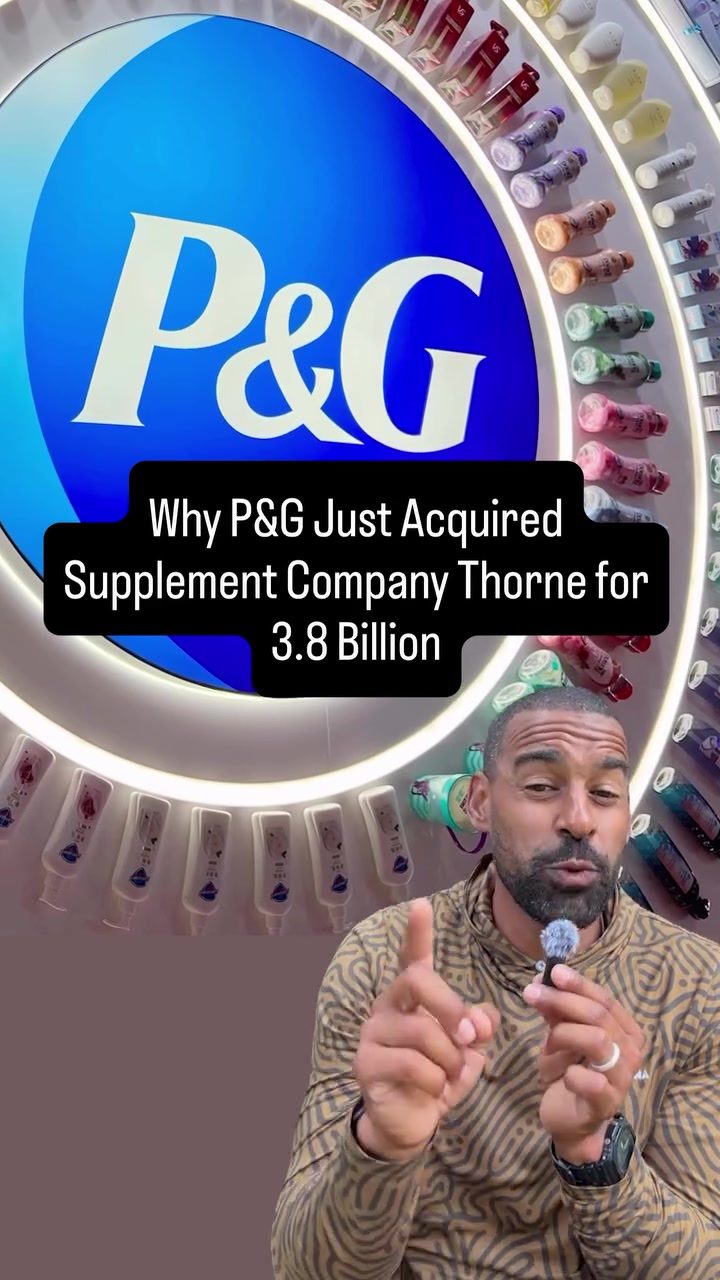
P&G's $3.8 Billion Acquisition of Thorne: A Shift in Consumer Behavior
P&G's recent acquisition of Thorne, a supplement company, for $3.8 billion has sparked significant interest in the business and wellness communities. This move, however, is more than just a foray into the supplement market. It signals a broader shift in consumer behavior and the evolving landscape of wellness brands.
Context: The Changing Consumer Landscape
The consumer landscape is undergoing a significant transformation. Traditional mass consumption patterns are giving way to more intentional consumption. This shift is evident in various sectors, including grocery stores, where volumes have dropped for five consecutive quarters. Even fast-food giants like McDonald's have seen modest sales growth, with their US same-store sales increasing by just 0.8% in the last quarter. This trend indicates a broader reallocation of the consumer wallet towards more intentional and health-focused spending.
The Role of GLP-1s in Consumer Behavior
One of the key drivers of this shift is the increasing prevalence of GLP-1s, a class of medications used to manage conditions like type 2 diabetes and obesity. The use of GLP-1s has surged, with 21% of US households now including a current GLP-1 user, up from 9% just 18 months ago. These consumers are not only changing what they eat but also how they eat and where they spend their money. This new consumer mindset prioritizes products that offer tangible benefits, such as energy, protein, sleep support, hydration, gut health, focus, recovery, and longevity.
P&G's Strategic Move
P&G's acquisition of Thorne is a strategic move to tap into this evolving consumer mindset. Despite already owning well-known supplement brands like Align, Metamucil, and New Chapter, P&G recognized the need to position itself within this behavioral health shift. Thorne's expertise and market position align with P&G's goals, making it a valuable addition to their portfolio. With Thorne, P&G is essentially buying a position within the wellness sector, where consumers increasingly ask, "What does this product actually do for me?"
The Emerging Playbook for Wellness Brands
The Thorne acquisition highlights a new playbook for wellness brands. This playbook involves several key steps:
- Discover Behavior: Startups focus on identifying emerging health and wellness behaviors.
- Build Community: They then build a community around these behaviors, creating a loyal customer base.
- Prove Velocity: Once the community is established, startups need to demonstrate rapid growth and market traction.
- Incumbent Buys It: At this point, an established company (the incumbent) acquires the startup.
- Incumbent Scales Distribution: Finally, the incumbent scales the distribution of the acquired brand, leveraging its existing infrastructure.
This playbook not only creates a functioning exit market for founders building in wellness but also ensures that capital is concentrated around brands with genuine consumer pull, rather than being sprayed indiscriminately across the Consumer Packaged Goods (CPG) sector.
Practical Tips for Founders in the Wellness Space
For founders building in wellness, performance, and longevity, P&G's acquisition of Thorne provides valuable insights:
- Identify and Capitalize on Emerging Trends: Pay close attention to consumer behavior and emerging trends in wellness. The increasing use of GLP-1s and the shift towards intentional consumption are just a few examples.
- Build a Strong Community: Create a loyal customer base by focusing on community building. This not only helps in proving velocity but also ensures long-term customer retention.
- Demonstrate Market Traction: Rapid growth and market traction are crucial for attracting potential acquirers.
- Leverage Existing Infrastructure: Understand and leverage the strengths of potential acquirers. Incumbents can scale distribution and bring products to a broader audience.
Important Takeaways
- Consumer Behavior is Evolving: Consumers are increasingly prioritizing wellness and intentional consumption. This shift is driven by factors like the increasing use of GLP-1s.
- Capital is Concentrating Around Wellness Brands: The acquisition of Thorne by P&G highlights the growing interest in wellness brands. Capital is flowing towards brands that can demonstrate genuine consumer pull.
- The Playbook for Success: Startups in the wellness space should focus on discovering behavior, building a community, proving velocity, and eventually being acquired by an incumbent.
Conclusion
P&G's acquisition of Thorne is a strategic move to capitalize on the evolving consumer landscape. It highlights the shift from mass to intentional consumption and the growing importance of wellness brands. For founders in the wellness space, this acquisition provides a roadmap for success, emphasizing the importance of leveraging emerging trends, building a strong community, and demonstrating market traction. As the consumer mindset continues to evolve, brands that can adapt and meet these changing needs will thrive.
Watch the Reel
Questions readers ask
What prompted P&G to acquire Thorne for $3.8 billion?
P&G's acquisition of Thorne is driven by the growing trend of intentional consumption, where consumers are increasingly focused on health and wellness. This shift is reflected in the rising demand for high-quality, affordable wellness products, which Thorne specializes in. The acquisition allows P&G to tap into this lucrative market.
How has the GLP-1 medication impacted consumer buying patterns?
GLP-1 medications, used to manage type 2 diabetes and obesity, have significantly influenced consumer behavior. As more people use these medications, there is a growing emphasis on holistic health management, leading to increased demand for wellness products. This trend is driving consumers to make more intentional buying choices.
What does the term 'intentional consumption' mean in this context?
Intentional consumption refers to a deliberate and mindful approach to buying and using products. In the context of wellness, it means consumers are actively seeking out products that align with their health goals, such as supplements and other wellness products. This trend is leading to a significant shift in buying trends, with consumers favoring quality and affordability.
How has the traditional mass consumption model changed?
Traditional mass consumption, characterized by large-scale, impersonal buying, is evolving. Consumers are now more discerning, favoring products that offer specific benefits and align with their personal wellness goals. This shift is evident in declining sales volumes in traditional sectors like grocery stores and modest growth in fast-food sales, indicating a broader change in consumer behavior.
Why are wellness brands experiencing increased demand?
The increased demand for wellness brands is due to the rising interest in health and wellness. Consumers are actively seeking affordable, high-quality products that support their well-being, whether it be supplements, organic foods, or other health-focused items. Brands like Thorne, which focus on these areas, are well-positioned to capitalize on this trend.
What role do supplements play in the shift to intentional consumption?
Supplements are a key player in the shift to intentional consumption, offering consumers a way to address specific health needs. With the rising demand for high-quality, affordable supplements, brands like Thorne are becoming more popular. These products help consumers manage their health proactively, aligning with the trend of intentional buying.
How does P&G's acquisition of Thorne reflect the broader trends in the wellness market?
P&G's acquisition of Thorne is a clear indicator of the growing importance of the wellness market. It reflects the increasing demand for wellness products and the trend towards intentional consumption. By acquiring Thorne, P&G is positioning itself to meet the needs of health-focused consumers, highlighting the significance of this market shift.
Related deep dives
Similar reads based on topic and creator.



Recent articles
Fresh deep dives from the latest Reels we unpacked.




Comments
Be the first to comment.