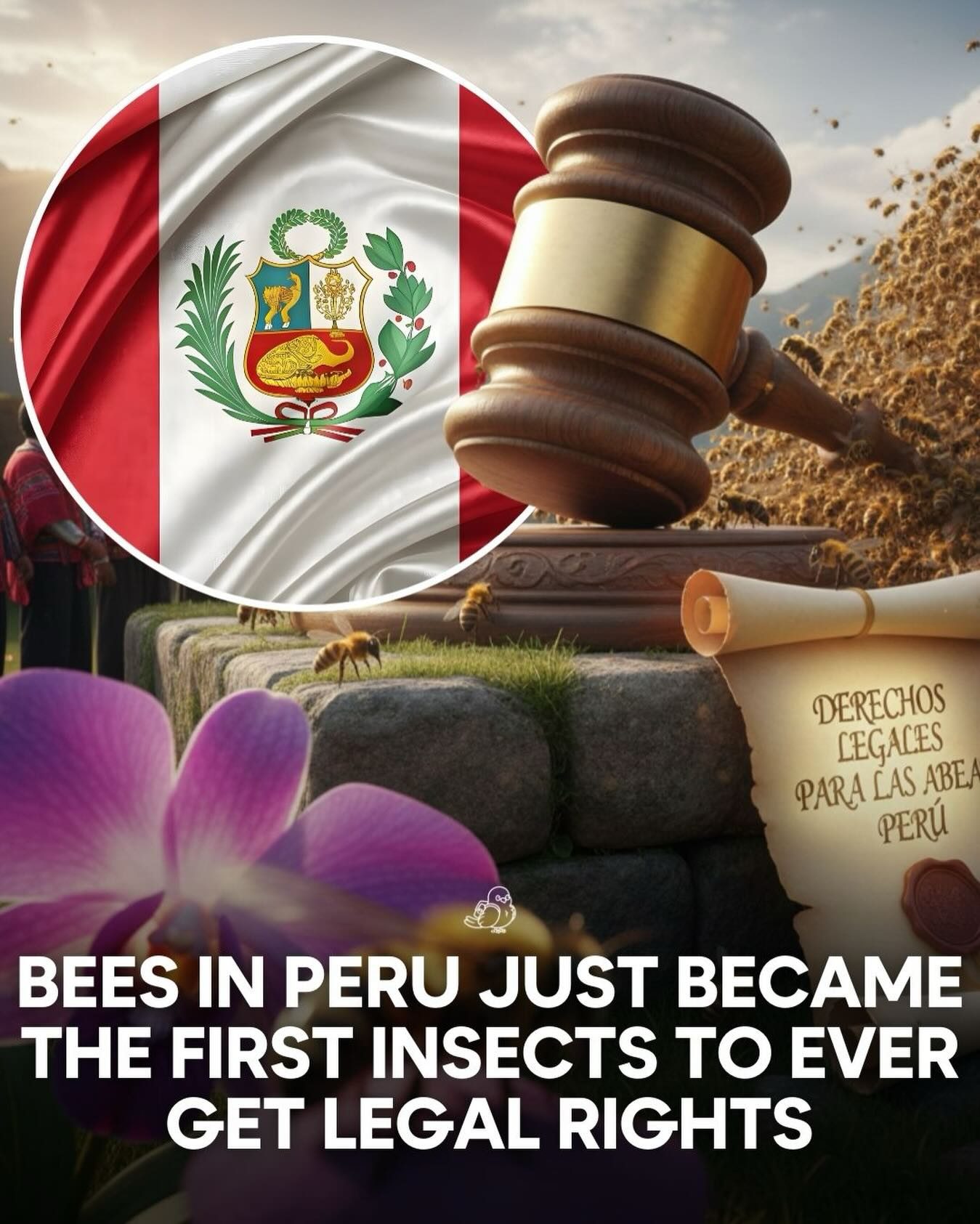
Legal Rights for Bees in Peru
The Peruvian Amazon has made history by granting legal rights to insects, specifically native stingless bees. This unprecedented move recognizes these tiny creatures as rights-bearing beings, entitled to exist, thrive, maintain healthy populations, and have their habitats protected. The legal recognition was established through local ordinances in the municipalities of Satipo and Nauta, marking the first instance worldwide where insects have been given such legal standing.
Why This Matters
Bees play a pivotal role in ecosystems, agriculture, and food security. As crucial pollinators, they support the growth of various plants and crops, making their protection vital for environmental sustainability and human livelihoods. By granting legal rights to bees, Peru sets a global precedent in environmental and animal protection law, highlighting the importance of even the smallest creatures in our ecosystems.
Peru's decision underscores a shift in environmental law and conservation, emphasizing that all living beings, regardless of size, deserve legal consideration. This move suggests a broader recognition of the interconnectedness of ecosystems and the need for holistic approaches to conservation.
The Historic Decision
Legal Recognition and Ordinances
The legal rights for bees in Peru were established through local ordinances in the municipalities of Satipo and Nauta. These ordinances grant bees the right to exist, thrive, and maintain healthy populations, as well as the right to have their habitats protected. This legal framework ensures that the environmental needs of bees are considered in future development and conservation efforts.
The Importance of Stingless Bees
Native stingless bees are particularly important in the Peruvian Amazon. These bees are vital pollinators, supporting the growth of diverse plant species and crops. Their role in maintaining biodiversity and agricultural productivity cannot be overstated. By granting them legal rights, Peru acknowledges the critical role these insects play in the ecosystem.
The Global Impact
Setting a Precedent
By recognizing the legal rights of bees, Peru sets a global precedent in environmental and animal protection law. This move highlights the need for similar legal frameworks in other regions, encouraging countries worldwide to consider the legal rights of other species. The precedent could inspire other nations to adopt similar measures, fostering a global shift in how we protect and preserve our ecosystems.
Influencing Environmental Policy
Peru's decision to grant legal rights to bees influences environmental policy by demonstrating that legal recognition can be extended to all forms of life. This shift in perspective encourages policymakers to consider the broader impacts of their decisions on the environment, promoting more sustainable and ecologically conscious policies. The move also underscores the importance of local ordinances in driving environmental change, as seen in the Satipo and Nauta municipalities.
Inspiring Conservation Efforts
The recognition of bees' legal rights in Peru inspires conservation efforts globally. It serves as a reminder that all living beings, no matter how small, deserve protection and consideration. This move encourages other countries and organizations to prioritize the protection of pollinators and other crucial species, fostering a more holistic approach to conservation.
Practical Tips for Supporting Pollinators
Planting Native Flora
One of the best ways to support pollinators, including bees, is by planting native flora. Native plants provide a familiar and nutritious food source for local pollinators, helping them to thrive and maintain healthy populations. Consider incorporating native plants into your garden or local green spaces to support bee populations.
Creating Bee-Friendly Habitats
Creating bee-friendly habitats involves more than just planting flowers. Ensure that your garden or green space provides a variety of food sources, water, and shelter. Bees need a diverse range of plants to collect nectar and pollen, as well as places to build nests and rest. By providing these essentials, you can create a welcoming environment for bees to thrive.
Reducing Pesticide Use
Pesticides can be particularly harmful to bees, impacting their ability to pollinate and survive. Reducing or eliminating pesticide use in your garden or farm can significantly support bee populations. Opt for organic or natural pest control methods to keep your plants healthy without harming beneficial insects.
Supporting Local Conservation Efforts
Engage with local conservation efforts to support pollinators. Participate in community initiatives, volunteer for habitat restoration projects, or donate to organizations focused on protecting bees and other pollinators. Your support can contribute to broader conservation efforts and help create a more bee-friendly environment.
Important Takeaways
The grant of legal rights to bees in Peru marks a significant milestone in environmental and animal protection law. This recognition emphasizes the interconnectedness of ecosystems and the need for holistic conservation efforts. The decision sets a global precedent, inspiring other countries to prioritize the protection of pollinators and other crucial species.
Conclusion
The legal recognition of bees' rights in Peru highlights the importance of protecting even the smallest creatures in our ecosystems. By granting bees legal rights, Peru sets a global precedent that fosters a more holistic approach to conservation and environmental policy. This groundbreaking decision underscores the need for similar legal frameworks worldwide, promoting sustainable and ecologically conscious practices to protect our planet's biodiversity.
Watch the Reel
Questions readers ask
What specific legal rights have been granted to bees in Peru?
In Peru, native stingless bees have been granted the rights to exist, thrive, maintain healthy populations, and have their habitats protected. These rights were established through local ordinances in the municipalities of Satipo and Nauta.
Why are bees important for environmental sustainability and human livelihoods?
Bees are crucial pollinators that support the growth of various plants and crops. Their role in ecosystems and agriculture makes their protection vital for maintaining biodiversity and ensuring food security for local communities.
What makes Peru's recognition of bee rights a world first?
Peru is the first country to grant legal rights to insects, specifically native stingless bees. This move is unprecedented and sets a new precedent in environmental conservation efforts globally.
How do the legal rights for bees in Peru benefit local communities?
By protecting bees and their habitats, local communities in Peru can benefit from sustainable agriculture and food security. The legal recognition of bee rights also fosters a deeper understanding of the interconnectedness between humans and the environment.
What can other countries learn from Peru's approach to bee conservation?
Other countries can learn about the importance of recognizing the rights of small but vital creatures like bees. This approach highlights the need for innovative legal frameworks that prioritize environmental sustainability and the well-being of both humans and ecosystems.
Related deep dives
Similar reads based on topic and creator.

Recent articles
Fresh deep dives from the latest Reels we unpacked.




Comments
Be the first to comment.