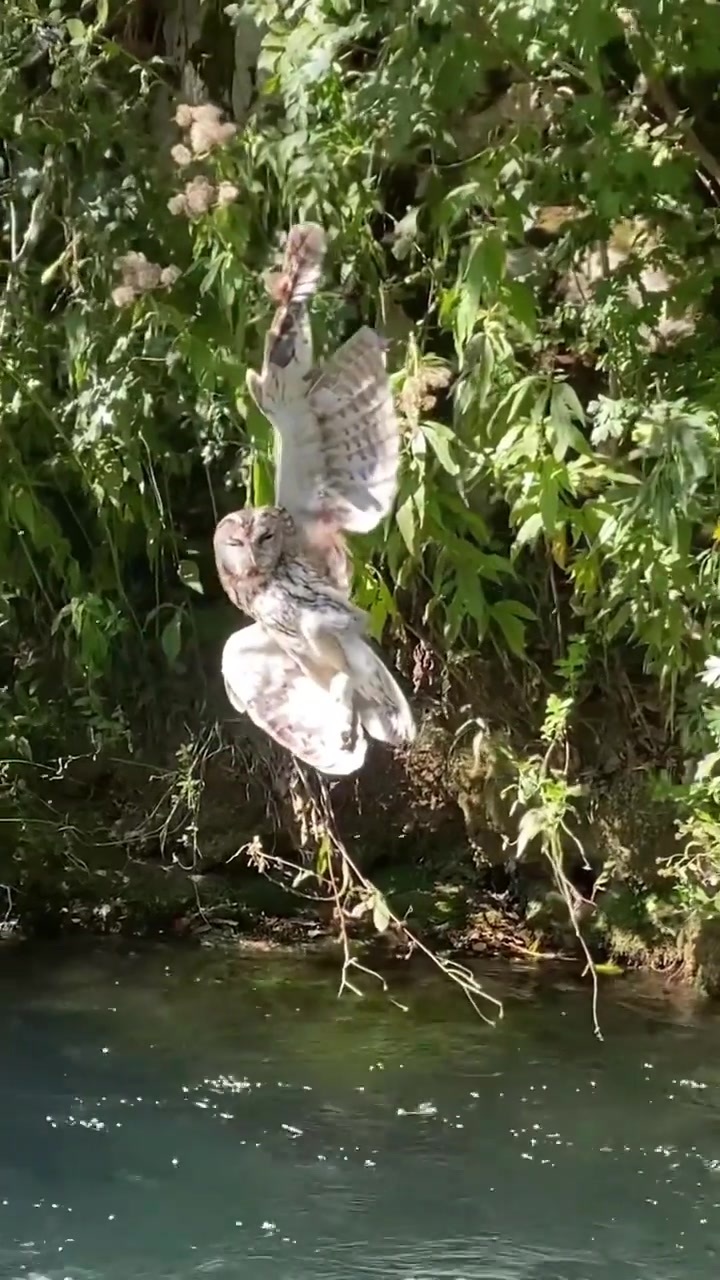
Using a net and a cage, one person pulled an owl from a river. It's a simple sequence of actions. But it encapsulates an encounter that can transform a bird's life. Aquatic accidents can be fatal for owls. But with a dedicated intervention, the owl can be set back on course, to return to its natural habitat.
The Anatomy of a River Rescue
The river rescue is a specific response to a specific problem. By rescuing a bird, the individual prevents the bird from drowning. The owl then receives crucial care. The individual needed to get into the water with a net. Then, they had to handle the owl carefully, place it in a cage, and find it a safe space to recover. This was not a difficult rescue. The individual could not evaluate the owl's health, which might have required medical care. The rescuer also did not use a boat. Yet the encounter still demonstrated resourcefulness and compassion. In all wild animal rescues, the rescuer must first ensure the safety of the owl. This requires patience and careful handling to minimize stress and injury. Someone who rescues an owl has to remove the bird and place it in a cage. The cage is necessary to keep the bird in a safe place while it recovers. Side lyrics were played along with the rescue. The lyrics convey the themes of confrontation, loneliness, and questioning one’s actions. But that doesn’t change the owl rescue. The song lyrics don’t represent the owl rescue.
The Overtake of Wildlife Intervention
Wildlife rescue efforts reflect a deeper cultural value shift. Increasingly, people are acknowledging their responsibility to protect and assist wildlife. This owls incident highlights a heightened awareness of ecological interconnectivity. When animals’ natural habitats face encroachment, the animals suffer. Rescues are a direct response to this. They are a visible form of care and protection that owls need. Wildlife rescues like this one are part of a bigger picture. Animal/human encounters are on the rise, as humans expand into wildlife habitats. Urbanization and climate shifts drive this trend. Owls are among the affected species because of rising temperatures and habitat loss. They need to be rescued because of human intervention. The owl rescue video demonstrates the role of individuals in wildlife conservation. Businesses and governments rarely conduct these sorts of rescues. It was an individual acting on instinct and compassion. This trend indicates a growing sense of personal ecological responsibility. It shows that individuals can act as key players in conservation efforts. They are the ones who will do the actual work.
The Ingredients of Success
Handling the Owl
To start, the rescuer had to get into the water. Wearing appropriate protective gear, such as gloves, is key to prevent injury and contamination. Next, the rescuer reached in and skillfully maneuvered a net around the owl. The owl was then carefully lifted out of the water to avoid injury. This step requires confidence and precision. Without the correct timing, the owl might be harmed.
Managing the Environment
Once the owl was out of the river, the next step was to provide a safe space. The rescuer placed the owl in a cage. This kept the owl in a safe environment, where it could recover without being exposed to further threats. Owls are susceptible to stress. This careful management of the environment supports the owl's recovery and brings relief to the owl.
The Measures That Matter
The rescue was a simple act. But there are bigger lessons to draw from it. When the owl is sufficiently recovered, the ideal outcome is to release it back into its natural habitat. However, this requires a full assessment of the owl's health. This cannot be done without medical intervention. And so, the first step generally involves transportation to a wildlife rehabilitation center. There, the owl would undergo a comprehensive evaluation. This involves treatment of any injuries or illnesses and then an assessment to discern its fittest health. This reconfirmed that the owl could indeed live safely in the wild.
The Rescuer’s Song
The rescue did not rely on audio. But there were lyrics. The lyrics list the steps in a romantic argument. But they were sung as the rescue took place. The lyrics ask, “I don’t know why you came / Where did I go wrong?”. They also state, “Lost a man somewhere alone in the bitterness that I put out straight up with you all night.” And finally, “I know how to save a life.” The lyrics are a love song. They describe a romantic relationship that’s falling apart. But they’re misleading. The lyrics did not describe the owl rescue. They were just part of the video. And they’re the least relevant detail.
If You’re Ever in the Same Situation
Wildlife rescue is a dangerous and delicate operation, but it’s important. If you want to try it, consider these steps:
- Identify the Issue: Pinpoint the problem. This can be difficult. Different species need varying degrees of care. Owls, for example, require specialized attention.
- Assess the Situation: Safety is paramount. Approach the animal cautiously, and do not attempt to handle it yourself. Call a wildlife rehabilitation center for guidance.
- Maintain Distance: Unless you are trained, do not attempt to touch or pick up the owl. Keep a safe distance to avoid causing further stress or injury. This is the most important part.
- Obtain Professional Help: Finally, the best thing you can do is to call a wildlife rescue professional. Do not attempt a rescue yourself and call a wildlife rescue professional instead.
- Report the Incident: Wildlife rescue incidents can be life-threatening. If you ever encounter an injured animal, report it to a wildlife rehabilitation center immediately.
Watch the Reel
Questions readers ask
How did the rescuer manage to get the owl out of the river safely?
The rescuer entered the water wearing protective gear and carefully used a net to maneuver around the owl. They then lifted the owl out gently to avoid any injury. This required confidence and precision to ensure the owl's safety. The owl was then placed in a cage to keep it secure while it recovered.
What kind of protective gear should someone use when rescuing an animal from water?
The article mentions gloves as essential protective gear. This gear helps prevent injury to both the rescuer and the animal, as well as contamination from the water. Additional protective clothing might be necessary depending on the situation, such as waders or waterproof clothing to keep the rescuer dry and safe while in the water.
What should I do if I find an owl in distress but I’m not sure if it needs medical care?
If you find an owl in distress, the first step is to ensure your safety and the owl's safety. Place the owl in a cage to keep it secure. If you can't evaluate the owl's health, it's best to contact a local wildlife rehabilitation center or a veterinarian experienced in wildlife. They can provide the necessary medical care and advice.
Why is it important to place the owl in a cage after rescue?
Placing the owl in a cage after rescue is crucial for its safety and recovery. A cage provides a secure space where the owl can rest and recover without the risk of further injury or stress. It also prevents the owl from flying away before it is fully recovered and ready to return to its natural habitat.
How does the owl rescue reflect a broader trend in wildlife conservation?
The owl rescue highlights a growing trend of individuals taking personal responsibility for wildlife conservation. As urbanization and climate change encroach on wildlife habitats, more people are stepping in to assist animals in distress. This reflects a cultural shift towards greater ecological awareness and a commitment to protecting and assisting wildlife.
What role do individuals play in wildlife conservation efforts?
Individuals play a crucial role in wildlife conservation efforts. They often act on instinct and compassion to rescue animals in distress, which businesses and governments rarely do. This trend indicates a growing sense of personal ecological responsibility, showing that individuals can be key players in conservation efforts by taking direct action to protect wildlife.
Related deep dives
Similar reads based on topic and creator.



Recent articles
Fresh deep dives from the latest Reels we unpacked.



Comments
Be the first to comment.