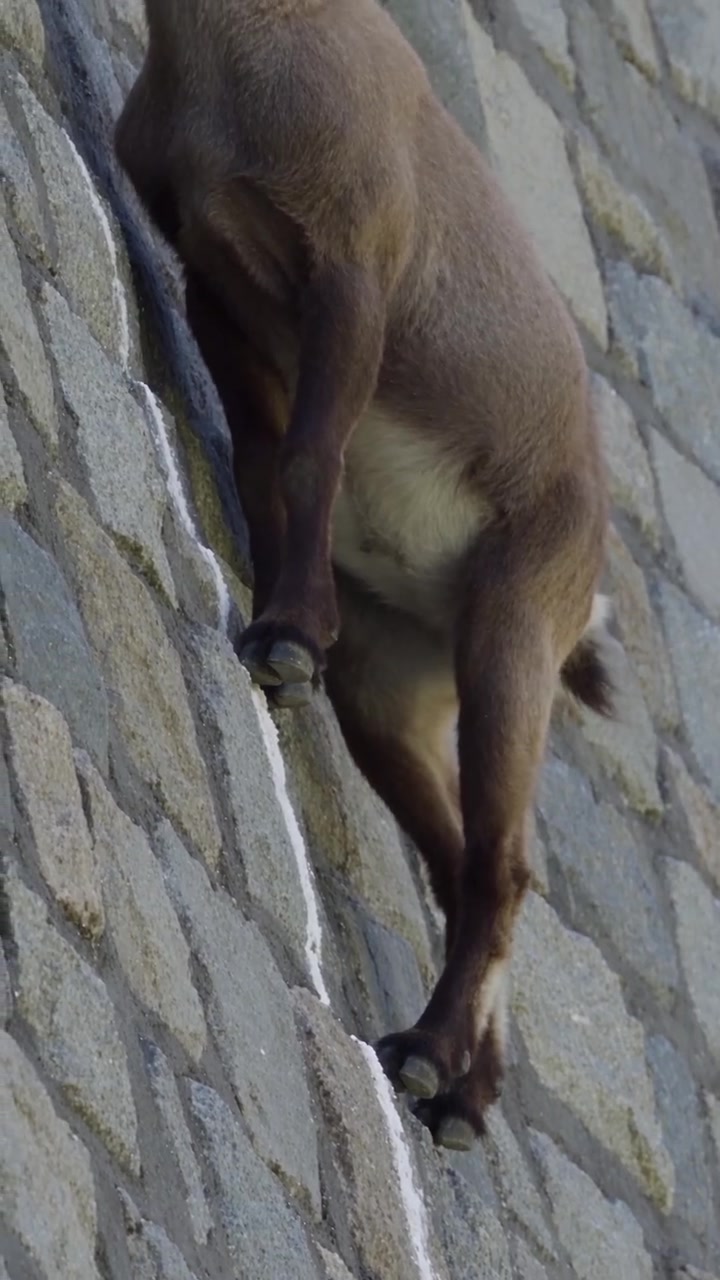
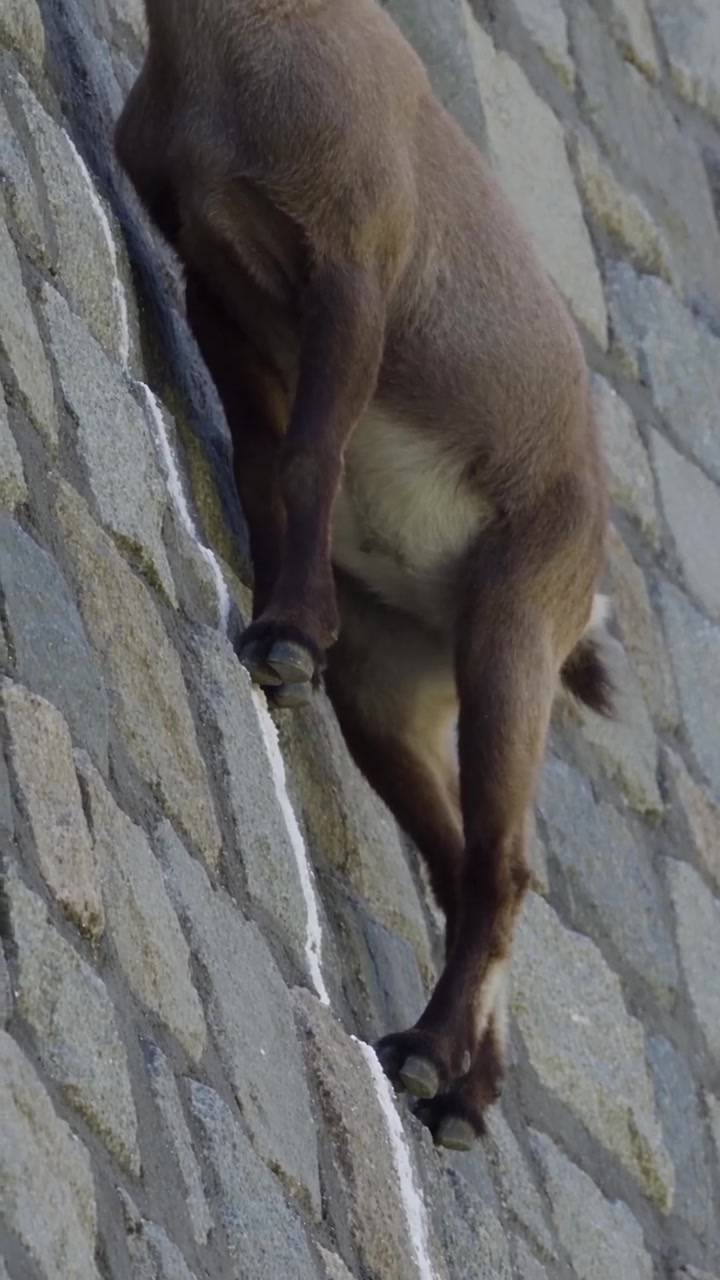
Deep in the Italian Alps, a near-vertical wall of stone isn't just a challenge—it's a diet. Alpine ibex climb 50 meters up a dam to reach salt deposits critical for their health. This isn't a stunt; it's a daily necessity for these mountain goats.
An Evolutionary Masterclass in Agility
Each ibex's hooves are a marvel of adaptation. They grip and maneuver on surfaces that would leave humans and most other animals helpless. Tough pads and concave soles with ridges allow them to cling to surfaces. Deep, strong claws make pincering grips in rough, narrow ridges. Taller ridges curl in a backwards motion to prevent slipping. This design allows ibex to climb and traverse rocks that most other animals would likely not survive. The ibex's body structure complements its hooves. Though the species stands at four feet tall, its legs are short and compact and its neck is shorter, keeping the goat's center of gravity low. This, along with powerful muscles, helps the ibex switch direction and brace itself against falls. Walking around the horns of Alpine ibex is also a serious endeavor. Long, wide horns are a sight to behold and are more than ornamental. These horns serve many purposes: as defense and weaponry; as leverage to pull themselves up; and as tools to slash at enemies, rivals, and barriers. This all serves to secure the ibex's place in a highly competitive ecological climb for nutrients and territory. A close-up view of a mountain goat, its eyes focused and its distinctive horns commanding attention, showcases its distinctive mountain habitat. No cliff too steep or terrain too difficult to climb.
Nature's Edge
The ibex's environment is so alien that it challenges our understanding of survival. Algerian geckos, for instance, can live up to 10 minutes underwater and can balance on surfaces even more vertical than a wall. The ibex's exceptional climbing abilities set a new standard for human climbing. Boulderers and rock climbers study these animals to learn new techniques, such as smearing and edging. Each ibex has a unique climbing style, which makes it a good subject for study. This has led a unique convergence between human innovation and natural prowess.
Walking on Fire
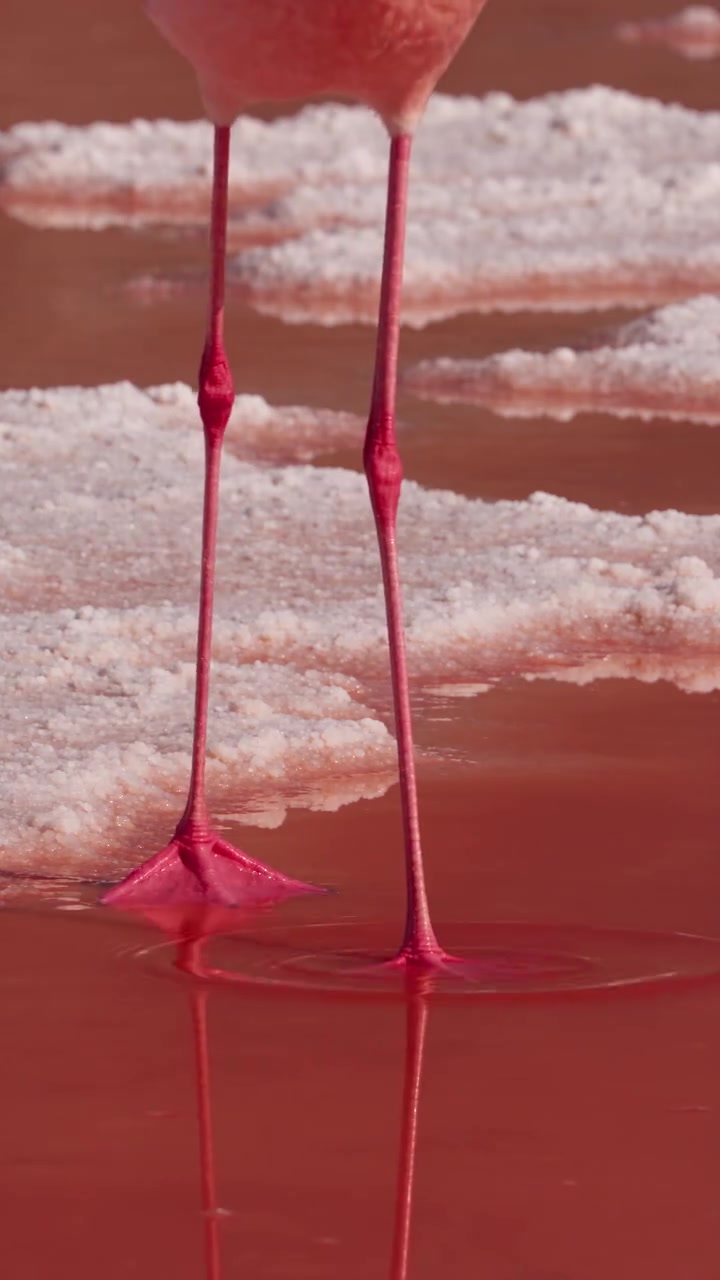
Shifting to Tanzania, Lake Natron is an extreme zone where the environment itself seems to burn. This lake is so caustic that 1.5 million lesser flamingos raise up to 75% of all their chicks here. Why? There's nowhere else to go. This lake is the only remaining alkaline lake in the region with close to 100% of hydrocarbons. The flamingos have made remarkable adaptations to endure their harsh environment. Their legs resist the acid's burning effects, and they have developed a mechanism to quickly clean off any residue. The birds have also developed a special keen way to regulate temperature. The ibex and the flamingo are both extreme cases of animals thriving in impossible places. Their existence reveals the world's vast, awe-inspiring beauty. It also leaves us awed and questioning our limits.
Natural Bridges for Survival
On Christmas Island, 12,000 kilometers of the Andes spread out is a masterclass in ingenuity. When 100 million red crabs march toward the ocean, the island of Christmas features a series of natural bridges constructed by humans to aid in the migration of the crabs. These man-made structures help crimson-crested species move from the forests to the coast over highways. The red crabs enter the ocean to mate and lay eggs. This journey, while fascinating, tests the limits of millions of crabs scrambling to find a mate and lay eggs. Despite the astounding sight, the island boasts that “everywhere you look, there is the island's own brand of natural beauty.”
Howto See This Absurdity
The Alpine ibex, lesser flamingo, and red crabs are all well suited to their extreme environments. When taking in these natural wonders, look for what may surprise you.
- Listen: Observe their surroundings because of these animals' unique adaptations. They thrive in environments no other organisms can endure. How do you think their environments have influenced their survival?
- Logistics: Consider the logistics of travel, such as how to preserve the energy of crimson-crested species across an island.
- Visuals: Look for scenes showcasing their beauty, such as the Alpine ibex's unique horns and the red crabs' crimson crests.
Seeing the World in a New Light
The Deep Planet series spiced up our typical wildlife documentaries. Comparing the ibex's climbing ability to human bouldering, seeing how flamingos adapt to impossible extremes, and observing the mystery and awe of the red crabs' island tours, all are more than just entertainment. It's a new way of looking at the natural world. This series brings us a fresh perspective on animals and what it means to survive. The ibex, lesser flamingo, and red crabs are just a few examples of animals that have mastered survival in the most impossible places. These animals challenge our assumptions about what it means to survive in the natural world, giving us a fresh perspective on the extraordinary diversity and resilience of the natural world.
Watch the Reel
Questions readers ask
How do ibex manage to climb such steep surfaces?
Ibex have evolved unique hooves with tough pads, concave soles with ridges, and deep, strong claws that allow them to grip and maneuver on near-vertical surfaces. Their compact body structure and powerful muscles also help them maintain balance and switch directions quickly.
What are the primary uses of an ibex's distinctive horns?
The horns serve multiple purposes, including defense, weaponry, and leverage for climbing. They also help ibex pull themselves up and slash at enemies, rivals, and barriers, aiding in their competitive ecological climb for nutrients and territory.
Why are ibex so important for human climbers?
Human climbers, particularly boulderers, study ibex to learn new techniques. The animals' unique climbing styles and exceptional abilities set a new standard for human climbing, inspiring innovations like smearing and edging.
What makes Lake Natron so inhospitable for most animals, yet perfect for flamingos?
Lake Natron is extremely alkaline and caustic, making it deadly for most animals. However, flamingos have adapted to endure this harsh environment, with legs that resist the acid and a mechanism to clean off residue quickly, making it the only place for them to raise chicks.
How do flamingos regulate their body temperature in such an extreme environment?
Flamingos in Lake Natron have developed a special, efficient way to regulate their temperature. This adaptation, combined with their leg's resistance to the lake's caustic nature, allows them to thrive in an environment that is lethal to most other animals.
How do red crabs on Christmas Island contribute to the ecosystem?
The red crabs on Christmas Island play a crucial role in the ecosystem by serving as a significant food source for other animals and contributing to the nutrient cycle. Their annual migration also helps distribute nutrients across the island, which aids in maintaining the ecosystem's balance.
Related deep dives
Similar reads based on topic and creator.




Recent articles
Fresh deep dives from the latest Reels we unpacked.
Comments
Be the first to comment.