Otter Road Safety
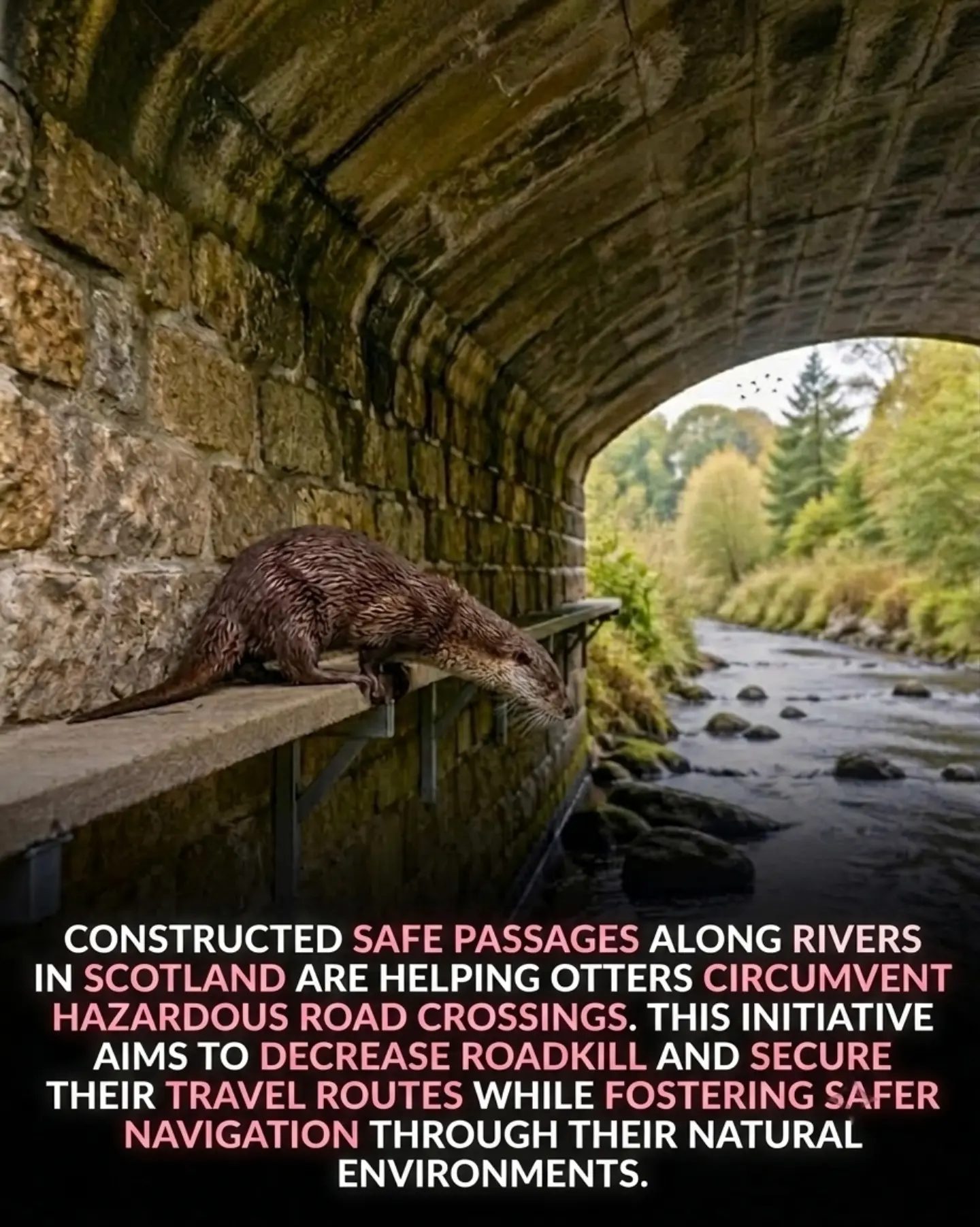
In Scotland, wild otters face a unique challenge when navigating their natural habitats: busy roads that intersect their river routes. Specialized elevated walkways are one innovative solution helping otters to travel safely under bridges and along rivers.
Why this matters
Otters are versatile animals that thrive in and around water bodies, making rivers and streams their primary habitats. However, human infrastructure, particularly roads and bridges, can pose significant threats to their safety. Understanding the importance of these safe passages helps illuminate the broader efforts in wildlife conservation and the need for human intervention in preserving natural ecosystems.
The Challenges Otters Face
Otters primarily travel along rivers, but when these rivers intersect with roads and bridges, the situation becomes perilous. During high water levels, otters often need to climb onto roads to continue their journey. This puts them at significant risk of being struck by vehicles, leading to roadkill incidents. These incidents are not only tragic for the otters but also have broader implications for ecosystems.
High Water Levels and Road Crossings
When rivers swell due to heavy rainfall, otters find it difficult to navigate along their usual routes. In these situations, they may climb onto roads to find a way across, often at the expense of their safety. The combination of fast-moving water and busy roads creates a deadly scenario for these animals.
The Impact of Roadkill on Otter Populations
Roadkill is a major threat to otter populations. It not only reduces the number of otters but also disrupts their social structures and hunting patterns. Otters are essential for maintaining the health of river ecosystems, as they help control populations of fish and other aquatic animals. Losing even a few otters can have cascading effects on the local environment.
The Solution: Constructed Safe Passages
To mitigate these risks, specialized elevated walkways have been constructed along rivers in Scotland. These walkways are designed to provide otters with a safe and dry path beneath the roads, allowing them to navigate their natural habitats without the risk of roadkill.
How Safe Passages Work
Safe passages are engineered to be easily accessible to otters. They are typically built right inside the arches of bridges, which provides a natural and unobtrusive way for otters to cross. These pathways are designed to be narrow and raised, ensuring that otters can traverse them without having to encounter any human-made obstacles.
Benefits of Safe Passages
There are multiple benefits to these safe passages. They primarily reduce the risk of roadkill by providing a protected route for otters. They also help otters navigate more safely through their natural habitats, ensuring that they can travel freely without encountering dangerous obstacles.
Additional Conservation Efforts
While the construction of safe passages is a critical step, it is just one part of a broader conservation effort. Alongside these passages, other initiatives are aimed at protecting otter habitats and ensuring their survival. These initiatives include monitoring otter populations, educating the public about the importance of otter conservation, and implementing regulations to protect otter habitats from further human intrusion.
Practical Tips
Being an informed wildlife enthusiast can contribute greatly to the effort to protect otters and other wildlife. You can do your part by spreading awareness about the challenges otters face and the importance of safe passages.
Supporting Conservation Efforts
You can support wildlife conservation efforts by contributing to organizations that work on otter and habitat conservation. These organizations often rely on donations and volunteers to carry out their missions. By providing financial support, you can help fund the construction of more safe passages and other conservation projects.
Raising Awareness
Raising awareness about the importance of otter conservation is another way to make a difference. Share information about the challenges otters face and the solutions being implemented to protect them. Use social media, local community events, or even conversations with friends and family to spread the word.
Participating in Community Projects
If you are local to an area with otter populations, consider participating in community projects aimed at protecting these animals. These projects can range from installing safe passages to monitoring otter habitats. By getting involved, you can directly contribute to the conservation of otters and other wildlife.
Important Takeaways
Wildlife conservation is about understanding the challenges that animals face and implementing practical solutions to mitigate those challenges. Otters in Scotland provide a clear example of how human intervention can protect wildlife. These animals need safe passages to navigate their natural habitats without the risk of encountering busy roads.
Understanding the Impact
Understanding the impact of human infrastructure on wildlife is crucial for developing effective conservation strategies. By recognizing the challenges that otters face, we can work towards creating solutions that protect both the animals and the ecosystems they inhabit.
The Importance of Safe Passages
Safe passages are a practical and effective solution for protecting otters and other animals that navigate through human-influenced environments. These structural interventions provide a safe and dry path for otters, reducing the risk of roadkill and ensuring their ability to travel through their natural habitats.
Conclusion
Innovative solutions like safe passages along rivers in Scotland are essential for protecting otters and other wildlife. By understanding the challenges these animals face and implementing practical solutions, we can ensure their survival and the health of our ecosystems. Whether through direct participation in conservation efforts or by raising awareness, everyone can contribute to the protection of otters and other wildlife.
Watch the Reel
Questions readers ask
How do roads and bridges pose threats to otters in Scotland?
Roads and bridges can be deadly for otters when they cross the river, as otters often travel along river banks and can easily get hit by vehicles. Bridges can also block otters' natural pathways, causing them to seek alternative routes which may lead them into dangerously busy areas.
What are elevated walkways and how do they help otters?
Elevated walkways are specially designed structures that provide otters with safe passage over roads and bridges. These walkways run parallel to rivers and streams, allowing otters to travel safely without having to cross busy roads and bridges, thus reducing the risk of road accidents.
Why are otters important to river ecosystems?
Otters play a crucial role in maintaining the health of river ecosystems. As predators, they help control populations of fish and other animals, contributing to biodiversity. Otters also help keep ecosystems balanced, ensuring the health of plants and other animals.
How do safe passages contribute to wildlife conservation?
Safe passages help wildlife conservation by minimizing human-wildlife conflicts and reducing deaths caused by vehicles. By providing otters with safe routes, these structures help maintain healthy otter populations and support the overall biodiversity of the area.
What can individuals do to support otter conservation efforts?
Individuals can support otter conservation by advocating for wildlife-friendly infrastructure, such as elevated walkways. Additionally, reducing vehicle speed in areas where otters are known to cross and raising awareness about the importance of otter conservation can make a significant difference.
Related deep dives
Similar reads based on topic and creator.

Recent articles
Fresh deep dives from the latest Reels we unpacked.




Comments
Be the first to comment.