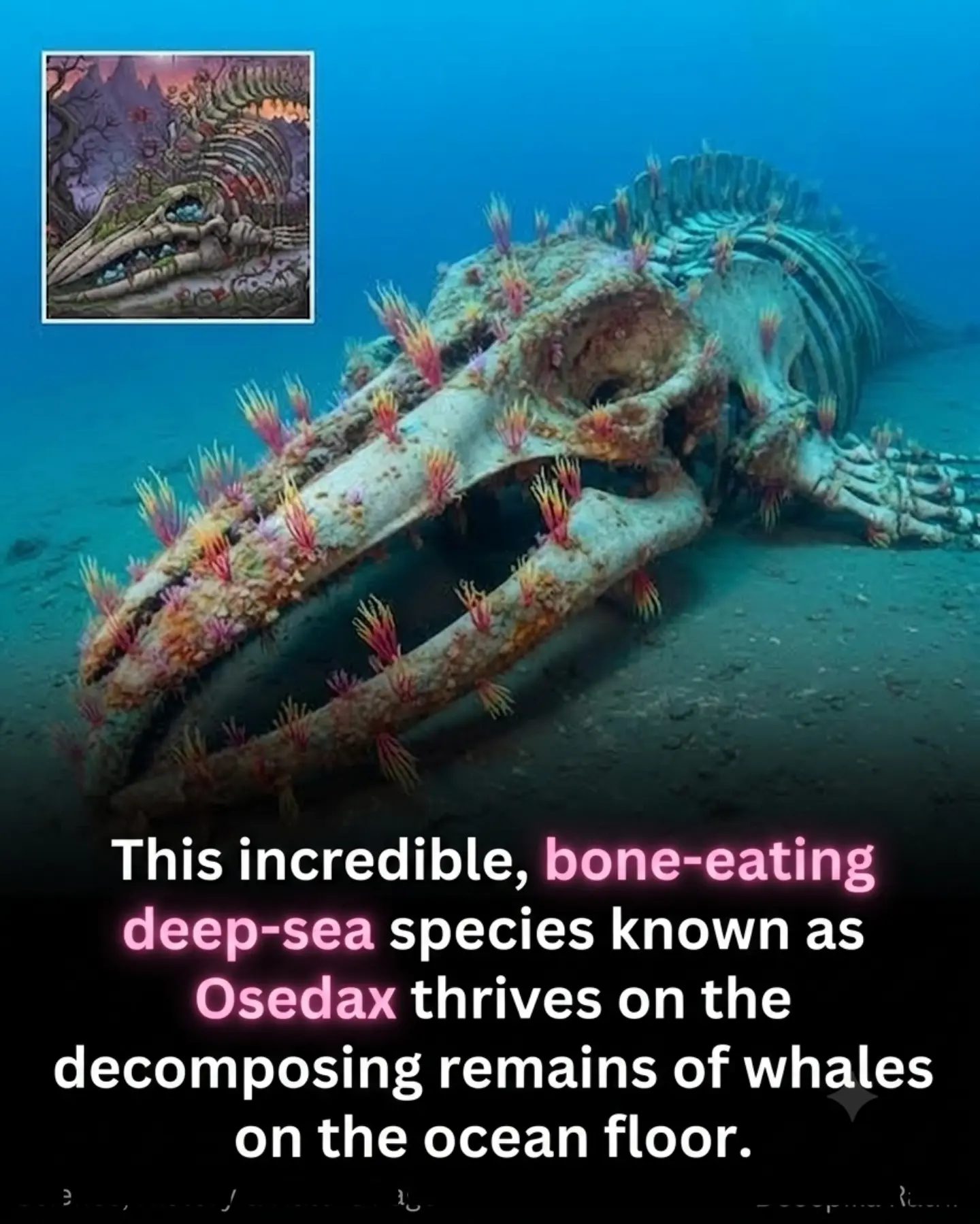
Osedax: The Bone-Eating Snot Flower of the Deep Sea
Osedax, a genus of deep-sea polychaete worms, inhabits the frigid depths of the ocean, thriving in a unique and remarkable way. These creatures, first discovered in 2002 at a staggering depth of nearly 3,000 meters in Monterey Canyon, California, are commonly known as the "Bone-Eating Snot Flower". They play a vital role in ocean ecosystems, particularly in the process of whale falls, which are the decomposing remains of whales that sink to the ocean floor.
Why This Matters
The deep sea is a largely unexplored world, and understanding its inhabitants helps us grasp the intricate web of life beneath the waves. Osedax, with its unusual diet and lifestyle, offers insights into the complex processes of nutrient cycling and ecosystem function in the deep sea.
Deep-Sea Creatures: An Introduction to Osedax
The Unique Habits of Osedax
Osedax worms are not your typical deep-sea creatures. These worms do not possess mouths or stomachs, which makes their feeding process quite different from other animals. Instead of consuming food in the traditional sense, Osedax secrete acid to dissolve the hard calcium phosphate of whale skeletons. They rely on symbiotic bacteria inside their bodies to digest the lipids and proteins from the bones, making them one of the most unique scavengers in the deep sea.
The Role of Whale Falls
Whale falls are a critical part of the deep-sea ecosystem. When a whale dies and sinks to the ocean floor, it creates an isolated and nutrient-rich ecosystem. This process is known as a "whale fall". Osedax plays a crucial role in these ecosystems by ensuring that no nutrients from the whale carcass go to waste. They break down the whale bones, making the nutrients available for other deep-sea organisms.
Five Mind-Blowing Facts About Osedax
No Mouths or Stomachs
One of the most fascinating aspects of Osedax is their unique digestive system. These worms do not have traditional mouths or stomachs, and they do not eat in the way most animals do. Instead, they rely on acid secretion to break down the hard calcium phosphate of whale skeletons. Symbiotic bacteria inside the worms then digest the lipids and proteins, providing the worms with the nutrients they need.
Bright Pink Plumes
Osedax are visually striking creatures. Their bodies are adorned with bright pink, flower-like tentacles that extend from their bodies. These tentacles act as gills, allowing the worms to absorb oxygen directly from the frigid deep-sea water. This unique adaptation enables them to survive in the harsh, low-oxygen environment of the deep sea.
Microscopic Males
The reproductive strategy of Osedax is equally intriguing. Female Osedax worms host hundreds of microscopic, undeveloped male worms inside their own bodies. This unusual reproductive method ensures that the species can reproduce even in the isolated and nutrient-poor environments of the deep sea.
Nature's Recyclers
Osedax are essential recyclers in the deep-sea ecosystem. They play a key role in breaking down the remains of whales, making the nutrients available for other organisms. Without Osedax and other scavengers, the nutrients from whale carcasses would be lost, potentially disrupting the delicate balance of deep-sea ecosystems.
Global Deep-Sea Inhabitants
Since their initial discovery, various species of Osedax have been found in deep-sea trenches all across the globe. This widespread distribution highlights the importance of Osedax in the global marine ecosystem. Their unique adaptations and behavior have made them a subject of great interest for marine biologists and researchers.
Practical Tips for Learning More About Deep-Sea Creatures
Research and Observation
One of the best ways to learn more about deep-sea creatures like Osedax is through research and observation. While direct observation is challenging due to the extreme conditions of the deep sea, advances in technology have made it possible to explore these depths more thoroughly. Submersibles and remote-controlled vehicles equipped with cameras and sensors allow scientists to observe and study deep-sea creatures in their natural habitat.
Educational Resources
There are numerous educational resources available for those interested in deep-sea creatures. Books, documentaries, and online courses provide a wealth of information about the unique adaptations and behaviors of deep-sea organisms. These resources can offer insights into the fascinating world of deep-sea life and the role that creatures like Osedax play in these ecosystems.
Conservation Efforts
Conservation efforts are crucial for protecting deep-sea ecosystems and the creatures that inhabit them. Understanding the role of Osedax in nutrient cycling and ecosystem function can help inform conservation strategies. By protecting deep-sea habitats, we can ensure that these unique and vital ecosystems continue to thrive.
Important Takeaways
Osedax worms are one of the most fascinating and unique creatures in the deep sea. Their ability to break down whale bones and recycle nutrients makes them essential to the health of deep-sea ecosystems. Understanding these creatures and their role in the ecosystem can provide valuable insights into the complex processes of nutrient cycling and ecosystem function in the deep sea.
The Importance of Deep-Sea Research
Deep-sea research is crucial for understanding the intricacies of our planet's ecosystems. The more we learn about creatures like Osedax, the better equipped we are to protect and conserve these vital environments. Ongoing research and discovery are essential for understanding the diverse and complex world beneath the waves.
The Role of Symbiotic Relationships
Symbiotic relationships, such as the one between Osedax and their symbiotic bacteria, play a critical role in deep-sea ecosystems. These relationships allow for the efficient breakdown and recycling of nutrients, ensuring that deep-sea ecosystems remain healthy and balanced.
Conclusion
Osedax, the bone-eating snot flower, is a testament to the wonders and complexities of the deep sea. From their unique feeding habits to their crucial role in nutrient cycling, these worms offer a glimpse into the fascinating world of deep-sea life. By understanding and appreciating creatures like Osedax, we can better protect and conserve the delicate ecosystems that support them. The deep sea is a world of endless discovery, and the more we learn, the more we realize how interconnected and vital these ecosystems are to our planet.
Watch the Reel
Questions readers ask
What makes Osedax worms unique among deep-sea creatures?
Osedax worms stand out due to their distinctive diet and feeding method. Unlike most creatures, they consume whale bones with the help of symbiotic bacteria, making them exceptional scavengers in the deep-sea ecosystem.
How do Osedax worms aid in the deep ocean nutrient cycle?
These worms play a crucial role in recycling nutrients. By breaking down whale bones during whale falls, they make vital nutrients available to other deep-sea organisms, contributing to the overall health of the ocean food web.
What is the significance of whale falls to Osedax worms?
Whale falls are a critical food source for Osedax worms. When a whale carcass sinks to the ocean floor, it provides a rich source of nutrients for these worms, allowing them to thrive and proliferate.
How do Osedax worms digest their food?
Osedax worms do not use traditional digestion. Instead, they rely on symbiotic bacteria to break down the whale bones, absorbing the nutrients released by this process.
What is the habitat of Osedax worms?
Osedax worms inhabit the deep ocean, particularly in the frigid depths where whale falls occur. Their first known discovery was in Monterey Canyon, California, at a depth of nearly 3,000 meters.
What role do Osedax worms play in the decomposition of whale carcasses?
Osedax worms are integral to the decomposition process of whale carcasses. By consuming the bones and converting them into nutrients, they help recycle the remains, supporting the deep-sea ecosystem.
Where and when were Osedax worms first discovered?
Osedax worms were first discovered in 2002 in the deep waters of Monterey Canyon, California, at an astonishing depth of nearly 3,000 meters. This discovery shed light on their unique characteristics and their role in deep-sea environments.
Related deep dives
Similar reads based on topic and creator.


Recent articles
Fresh deep dives from the latest Reels we unpacked.




Comments
Be the first to comment.