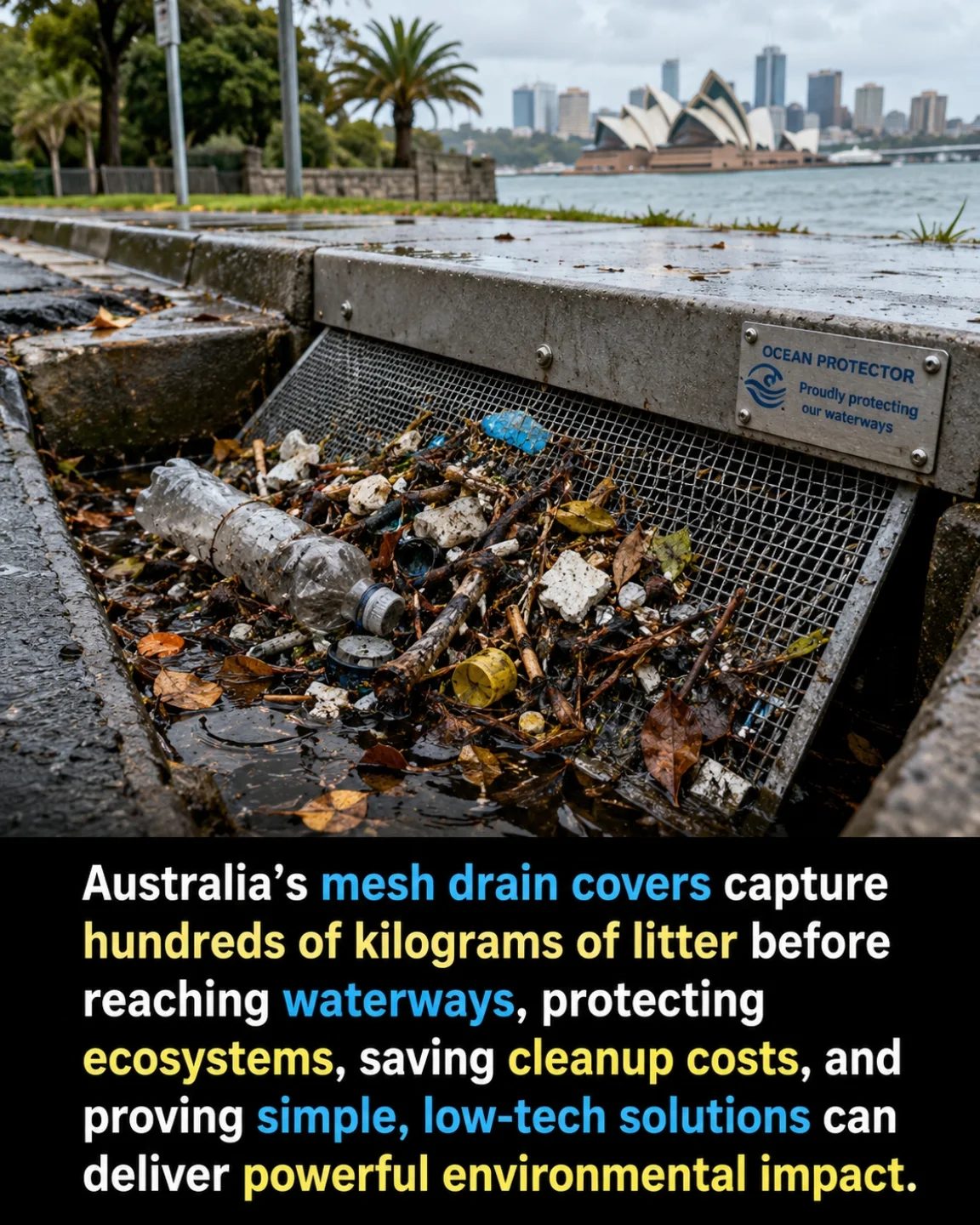
Drain Covers: A Simple Solution for Protecting Waterways
Drain covers, particularly those designed by Ocean Protector, are an innovative and practical solution for capturing litter and preventing it from polluting waterways. These covers are strategically placed over storm drains and other water entry points to intercept debris before it can reach and contaminate ecosystems.
Context / Why this matters
With increasing urbanization and plastic pollution, waterways have become significant repositories for litter. This litter, which includes everything from plastic bottles to food wrappers and other debris, can have devastating effects on aquatic life and ecosystems. Drain covers offer a straightforward, low-tech solution to mitigate this problem, helping to maintain the health of our waterways and the environmental habitats they support.
Main discussion
How Drain Covers Work
Drain covers are designed to fit over the grates of storm drains and other water entry points. They feature a mesh or grill structure that allows water to flow through while trapping litter and debris on the surface. This captured litter can then be easily collected and disposed of, preventing it from entering and polluting waterways.
These covers are particularly effective in urban areas where litter from streets and sidewalks can easily be swept into drains during rainstorms. By intercepting this debris, drain covers help to reduce the amount of litter that reaches rivers, lakes, and oceans, thereby protecting marine and aquatic life from the harmful effects of plastic pollution and other contaminants.
Environmental Impact
One of the most significant benefits of drain covers is their environmental impact. By capturing hundreds of kilograms of litter, these covers help to protect ecosystems from pollution. This is particularly important in areas where waterways are vital for both wildlife and human communities. For example, in Australia, these mesh drain covers have been instrumental in reducing the amount of litter that reaches waterways, thereby safeguarding local ecosystems.
Economic Benefits
In addition to their environmental benefits, drain covers also offer significant economic advantages. By reducing the amount of litter that reaches waterways, they help to lower the costs associated with cleanup efforts. Municipalities and environmental organizations often spend considerable resources on cleaning up litter from waterways, and drain covers can help to mitigate some of these costs by intercepting debris before it becomes a problem.
Community Involvement
The use of drain covers also encourages community involvement in environmental protection. Local residents, businesses, and organizations can play a vital role in maintaining these covers, ensuring that they are regularly cleaned and properly functioning. This community engagement not only helps to keep waterways clean but also fosters a sense of environmental stewardship among local residents.
Simple, Low-Tech Solutions
One of the most appealing aspects of drain covers is their simplicity. Unlike high-tech solutions, which can be expensive and complex to implement, drain covers are a straightforward and cost-effective way to address litter pollution. This low-tech approach makes them accessible to a wide range of communities, regardless of their resources or technical capabilities.
Practical tips
Drain covers can be installed and maintained by anyone. They can be purchased from various suppliers or even made using simple materials. Here are some practical tips for installing and maintaining drain covers:
Installation Tips
- Choose the Right Cover: Ensure that the cover you choose is the right size and shape for the drain it will be covering. It should have a mesh or grill structure that allows water to flow through while trapping debris.
- Secure the Cover: Make sure the cover is securely fastened to the drain. This will prevent it from being dislodged by water flow or wind.
- Regular Maintenance: Regularly inspect the cover to ensure it is functioning properly. Remove any trapped debris and clean the cover to prevent it from becoming a breeding ground for insects or mold.
Maintenance Tips
- Cleaning: Regularly clean the covers to remove trapped debris. This can be done using a brush or hose to wash away any accumulated litter.
- Inspection: Periodically check the covers for any signs of damage or wear. Replace or repair as needed to ensure they continue to function effectively.
Important takeaways
Drain covers, particularly those designed by Ocean Protector, are a simple, low-tech, and effective solution for protecting waterways from litter pollution. They help to intercept debris before it reaches waterways, thereby safeguarding ecosystems and reducing cleanup costs. With regular maintenance and community involvement, these covers can play a crucial role in maintaining the health of our waterways and the environments they support.
Conclusion
In summary, drain covers offer a practical and effective way to address litter pollution in waterways. Their simplicity, cost-effectiveness, and environmental benefits make them an attractive solution for communities and municipalities alike. By installing and maintaining these covers, we can protect our waterways and the ecosystems they support, ensuring a healthier environment for all.
Watch the Reel
Questions readers ask
How do Ocean Protector's drain covers help in preventing water pollution?
Ocean Protector's drain covers are designed to trap litter and debris before they can enter and clog waterways. By capturing plastic pollution and other contaminants at the source, these covers prevent harmful materials from reaching and damaging aquatic ecosystems.
Where should Ocean Protector's drain covers be placed?
The drain covers should be placed over storm drains and other points where water enters the drainage system. Strategic placement ensures that debris is intercepted before it can flow into waterways, helping to keep these systems clean and functional.
What types of debris can Ocean Protector's drain covers capture?
Ocean Protector's drain covers are effective at capturing a wide range of debris, including plastic bottles, food wrappers, and other types of litter. By intercepting this trash, the covers help to reduce the amount of plastic pollution and other contaminants that can harm aquatic life.
Are Ocean Protector's drain covers suitable for all types of waterways?
While Ocean Protector's drain covers are highly effective for storm drains and similar water entry points, their suitability can vary depending on the specific characteristics of the waterway. For optimal results, it's best to consult with a professional to determine the most effective placement and type of cover.
How do drain covers contribute to the overall health of waterways?
By preventing litter and contaminants from entering waterways, drain covers help maintain the overall health of these ecosystems. This includes reducing the risk of harm to aquatic life, improving water quality, and minimizing the need for costly cleanup efforts.
Can Ocean Protector's drain covers be used in both urban and rural areas?
Yes, Ocean Protector's drain covers are versatile and can be used in both urban and rural settings. In urban areas, they help manage litter from increased human activity, while in rural areas, they protect against natural debris and runoff, ensuring that both environments remain clean and healthy.
What are the benefits of using Ocean Protector's drain covers over other water pollution prevention methods?
Ocean Protector's drain covers offer a simple, low-tech solution that is easy to implement and maintain. They are cost-effective, require minimal upkeep, and can be strategically placed to capture litter before it enters waterways, making them an efficient choice for pollution control.
Related deep dives
Similar reads based on topic and creator.



Recent articles
Fresh deep dives from the latest Reels we unpacked.




Comments
Be the first to comment.