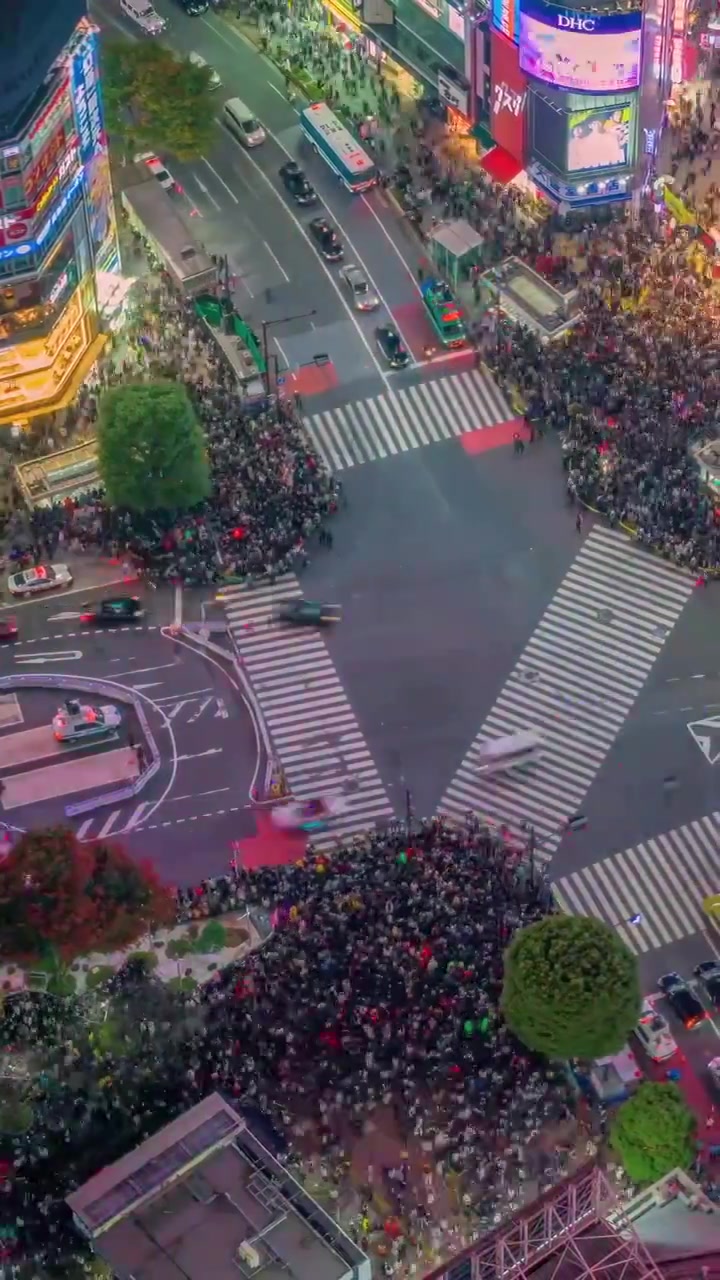
An Aerial View of City Intersections at Night
A video offers a rare bird's-eye perspective of a bustling city intersection after dark. The image is a time-lapse of city life. It captures traffic lights changing color; the crisscrossing movement of cars and people. There are no people here, just the activity and energy of the place. It also shows the neon lights and the glowing cityscapes that make nightlife in urban areas so vibrant. A sense of movement emerges from what is essentially a still image.
What is an Urban Intersection?
Urban intersections are central hubs that facilitate the flow of traffic and people throughout a city. They are the junctions where streets intersect, creating a gridlike pathway for vehicular and pedestrian traffic. City intersections come in various shapes and sizes, from simple four-way stops to complex multi-lane roundabouts. What they all have in common is their role in connecting different parts of the city. What distinguishes this aerial perspective of a city intersection from the usual ground-level view is its panoramic sweep. Streets stretch out in every direction, and the traffic lights appear as tiny dots from above, orchestrating the controlled chaos below. Traffic lights are synchronized with the intersection's layout, while streets are lined with various buildings that vary in height, shape, and architectural style. Buildings are the most prominent feature in the nighttime urban scene. Taller buildings and skyscrapers are often surrounded by smaller structures, creating a layered landscape. The bright lights from the buildings and traffic signals illuminate the intersection, rendering a colorful glow that starkly contrasts with the darker surroundings.
Cars, Lights, and People
Advanced city planning is the key to making urban life efficient. The nighttime urban environment is a mesmerizing display of lights illuminating the streets and buildings, while traffic lights or signals coordinate the flow of vehicles and pedestrians. The intersection is filled with a constant hum of activity, even at night. Cars and pedestrians crisscross the intersection, navigating the complex network of roads and sidewalks. Traffic signals coordinate the movement of vehicles and pedestrians, ensuring that everyone stays in their designated lanes to prevent collisions. The intersections are designed to accommodate various types of vehicles, including cars, trucks, and motorcycles, as well as pedestrians and cyclists, ensuring that everyone can move safely and efficiently through the city.
The Experience at Nighttime Urban Intersection
Many people can attest to the unique experience of being in a bustling city intersection at night and feeling the energy of the city. At night, the intersection becomes a stage for a dazzling light show. The glowing neon signs and the city's silhouettes come together to create a vivid image. The crisscrossing patterns of traffic lights and vehicle headlights add to the scene, creating a mesmerizing dance of light and shadow. The bright lights from the surrounding buildings cast a warm glow on the streets, making the intersection a beehive.
Capturing the Beauty of City Intersections
The video captures the beauty of city intersections using aerial imaging and nighttime photography. Easing the logistics Successfully creating such a video requires careful planning and execution. The aerial perspective of the city can be captured using a drone or a helicopter equipped with a high-resolution camera. The video is shot at night, so the city lights are fully visible and creates a unique look. The camera angle is critical in capturing the beauty of the city intersection. Aerial footage is captured from above, providing a panoramic view of the city. The drone's steady flight path ensures that the camera remains stable and the footage is smooth. The drone's speed and altitude must be carefully controlled to ensure that the footage is of high quality and captures the essence of the scene. The camera used to capture the footage should be capable of shooting in low-light conditions, as the scene is illuminated by bright lights and traffic signals. The footage showcases the vibrant atmosphere of the city at night. The camera captures the intersecting streets, buildings, and traffic lights, as well as the movement of vehicles and people. The video combines various techniques, including slow-motion, fast-forward, and time lapse, to create a captivating and immersive experience.
The Intersection’s Charm
Nighttime scenes at intersections are iconic and hold a classic charm. Whether you are walking by a pedestrian crossing and watching the cars stop for a red light or simply sitting at a traffic signal waiting for the light to turn green, the intersection is a unique place with its own set of experiences and vibes. Many individuals have their favorite intersection in the city. Some see it as an opportunity to capture a panoramic view of the city, while others are mesmerized by the glow and movement of traffic. The intersection is a place where people can enjoy a night out, take a leisurely stroll, or grab a meal at a nearby café. The vibrant cityscape is a testament to its unique charm and character, making it a must-visit for both locals and tourists. Ultimately, this video demonstrates the intersection's role in the city's urban landscape. It is a place where people come together, where the city's energy is palpable, and the experience is unforgettable.
Watch the Reel
Questions readers ask
What makes the aerial view of a city intersection at night so unique?
The aerial view provides a panoramic perspective that shows the intersection as part of a larger urban grid, with traffic lights appearing as tiny dots and streets stretching out in every direction. This view also highlights the vibrant interplay of light and shadow, showcasing the city's vibrant energy from above. Buildings of varying heights and architectural styles create a layered landscape, adding to the visual intrigue.
How do traffic lights work at a busy city intersection?
Traffic lights at city intersections are synchronized with the layout to manage the flow of vehicles and pedestrians efficiently. They coordinate the movement by changing colors to signal when it's safe to go or stop, ensuring that everyone stays in their designated lanes to prevent collisions. This system helps maintain a smooth flow of traffic, even in the busiest intersections.
What kinds of vehicles and people do urban intersections accommodate?
Urban intersections are designed to handle a variety of vehicles, including cars, trucks, and motorcycles, as well as pedestrians and cyclists. The intersections are planned to ensure that everyone can move safely and efficiently through the city. Traffic signals play a crucial role in coordinating the movement of these different types of road users.
What is the significance of buildings in the nighttime urban scene?
Buildings are the most prominent feature in the nighttime urban landscape, especially in aerial views. They come in various heights, shapes, and styles, creating a layered and visually engaging backdrop. The bright lights from these buildings and traffic signals illuminate the intersection and render a colorful glow, which starkly contrasts with the darker surroundings, adding to the city's vibrant energy.
How do city intersections contribute to the overall urban experience?
City intersections serve as central hubs that facilitate the flow of traffic and people, connecting different parts of the city. They are essential for urban mobility, ensuring that pedestrians, cyclists, and drivers can navigate the city efficiently. The unique energy and vibrancy of these intersections, especially at night, contribute to the overall urban experience, making cities dynamic and exciting places to be.
Related deep dives
Similar reads based on topic and creator.


Recent articles
Fresh deep dives from the latest Reels we unpacked.



Comments
Be the first to comment.