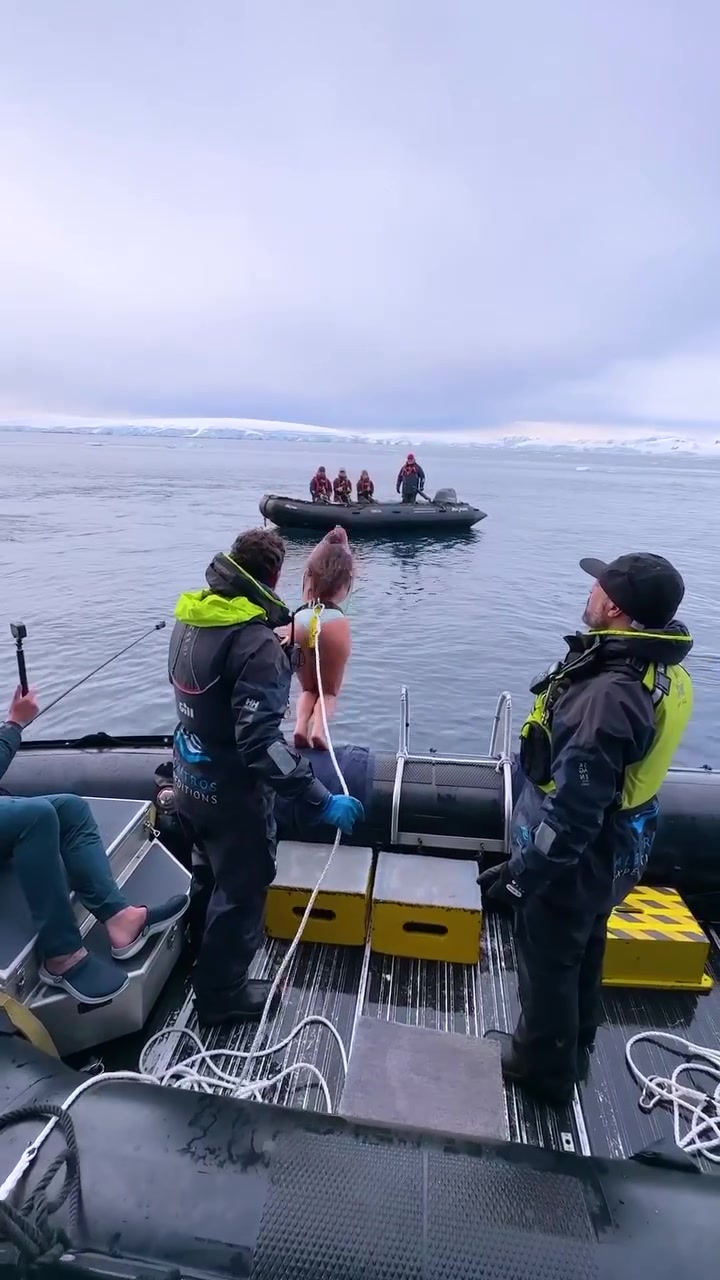
The Ultimate Test of Cold Courage
The polar plunge is an extreme challenge — a leap into the frigid waters of the polar regions — that tests human limits. In Antarctica, the water temperature can plummet to -1.5°C (29°F), a shock that demands respect. A Swim in Antarctica is not a casual affair: a dry suit and a safety rope are essential. In an Instagram video, Nicole Isaacs takes the plunge, demonstrating that while cold, preparing for the polar plunge can also be a beautiful and adventurous feat.
The Test of Glacial Waters
The polar plunge is more than a freeze-your-bones experience. Many athletes and thrill-seekers embrace it as a test of physical strength. It's a challenge of willpower and, the ultimate leap into the icy waters, which tests how the human body reacts to extremely cold temperatures. The polar plunge has been featured in cold-water endurance events, endurance races, and even charity fundraisers. But, it is not just a test of individuals; it also serves as a milestone for some people who participate as a journey towards their fitness and mental strength.
The Extreme Conditions Of Antarctica
Antarctica is one of the most pristine and least explored continents on Earth. The icy continent is a vast expanse of glaciers, icebergs, and snowy mountains. The only inhabitants are the research personnel and tourists who visit during the brief summer months. The extreme conditions necessitate rigorous preparations for a polar plunge, making it a unique experience.
The Art of Prepping
A polar plunge in Antarctica demands meticulous planning. It is not just about throwing caution to the wind and jumping in. Before immersing in those icy waters, you need to wear multiple protective layers, which include thermal clothing, gloves, and a dry suit. Additionally, participants are often attached to a rope for safety, adds Nicole Isaacs. Moreover, the timing of the jump is crucial because if done at the wrong time, the polar plunge can lead to hypothermia or even fatal drowning. Several people sit on the boat, waiting for their turn to showcase their courage. That means disciplinary and mental preparation.
The Technicalities of the Polar Plunge
The polar plunge is a physical activity, but it also includes a few technicalities. Jumping into a frozen lake or river may not be a piece of cake, but jumping into a polar water carries a different risk altogether. First, the water temperature is exceptionally low, freezing the skin and causing hypothermia. The plunge is not only about the jump. It is also about controlling your breathing and muscle movements. For instance, participants must control how they submerge, the depth at which they go, and how long they stay submerged.
The Impact of a Polar Plunge
The polar plunge is a polarizing challenge. It is not for the faint-hearted. It pushes the mind and body to their limits. The body's reaction to extreme cold can be intense: the blood vessels constrict, and the heart rate slows. In fact, those participating in the plunge report a surge of endorphins. Nicole Isaacs claims this feeling during the plunge is a testament to its effect.
The Many Faces of the Polar Plunge
The polar plunge is more than a single event; it is an activity that manifests itself differently based on location and intent. Some plunge in Antarctica or the Arctic for charity, while friends and family might do it as a symbolic act. It’s also popular among endurance athletes who do it for training.
Jump Into Judgment
Still, the question is how to know better than just platitudes that a polar plunge is right for you. It doesn’t mean you should do this without considering the risks and benefits. It is advisable to get expert advice; determine your capabilities in conjunction with medical advice. If you are an experienced swimmer, you know how to be in control and mindful of the water.
- Assess the water temperature and weather conditions: The polar plunge is often done in locations with extremely cold water. However, water temperature can vary based on the location and the time of day.
- Understand the dangers of hypothermia: Hypothermia is the leading cause of death during the polar plunge. It occurs when the body temperature drops dangerously low, often due to prolonged exposure to cold water.
- Know the signs of hypothermia: Symptoms of hypothermia include shivering, confusion, slurred speech, and shallow breathing.
- Be prepared with a safety plan: Always have a safety plan in place before jumping into the water. Make sure to bring a warm, dry change of clothes, and have someone waiting on the shore in case of an emergency.
Watch the Reel
Questions readers ask
What kind of protective gear is necessary for a polar plunge in Antarctica?
For a polar plunge in Antarctica, you need to wear multiple protective layers, including thermal clothing, gloves, and a dry suit. These layers help insulate your body from the extremely cold water temperature, which can drop to -1.5°C (29°F). Additionally, a safety rope is essential for securing the participant to prevent being swept away by currents.
How does a polar plunge test both physical and mental strength?
A polar plunge pushes the body to its limits by subjecting it to extremely cold temperatures, which can cause blood vessels to constrict and the heart rate to slow. Participants must also exert mental strength to control their breathing and muscle movements during the plunge, which can be challenging given the shock of the cold water.
What are the risks involved in a polar plunge, and how can they be mitigated?
The primary risks of a polar plunge include hypothermia and drowning. These risks can be mitigated by wearing appropriate protective gear, using a safety rope, and timing the jump correctly. Additionally, having a support team on standby can help ensure safety during the activity.
Why is the timing of the jump crucial in a polar plunge?
The timing of the jump is crucial because the body needs to acclimate to the cold water gradually. Jumping in at the wrong time can lead to a sudden shock, increasing the risk of hypothermia or drowning. Participants should also consider the weather conditions and water currents, which can affect the safety of the plunge.
What kind of psychological impact does a polar plunge have on participants?
A polar plunge can have a significant psychological impact on participants. The challenge pushes the mind and body to their limits, often resulting in a surge of endorphins and a sense of accomplishment. Participants report feeling a heightened sense of achievement and mental strength after completing the plunge.
Can anyone attempt a polar plunge, or is it reserved for experienced athletes?
A polar plunge is not for everyone. It requires a high level of physical and mental preparation, making it more suitable for experienced athletes and thrill-seekers. Participants must be in good physical condition and have the necessary protective gear and safety measures in place. It's also important to have a support team on standby to ensure safety during the activity.
What kind of support team is necessary for a polar plunge in Antarctica?
A support team for a polar plunge in Antarctica typically includes experienced guides, medical professionals, and safety personnel. They ensure that participants are properly equipped, monitor their condition during the plunge, and provide immediate assistance if needed. The team also helps with the logistics of the activity, such as transportation and communication in case of emergencies.
Related deep dives
Similar reads based on topic and creator.




Recent articles
Fresh deep dives from the latest Reels we unpacked.




Comments
Be the first to comment.