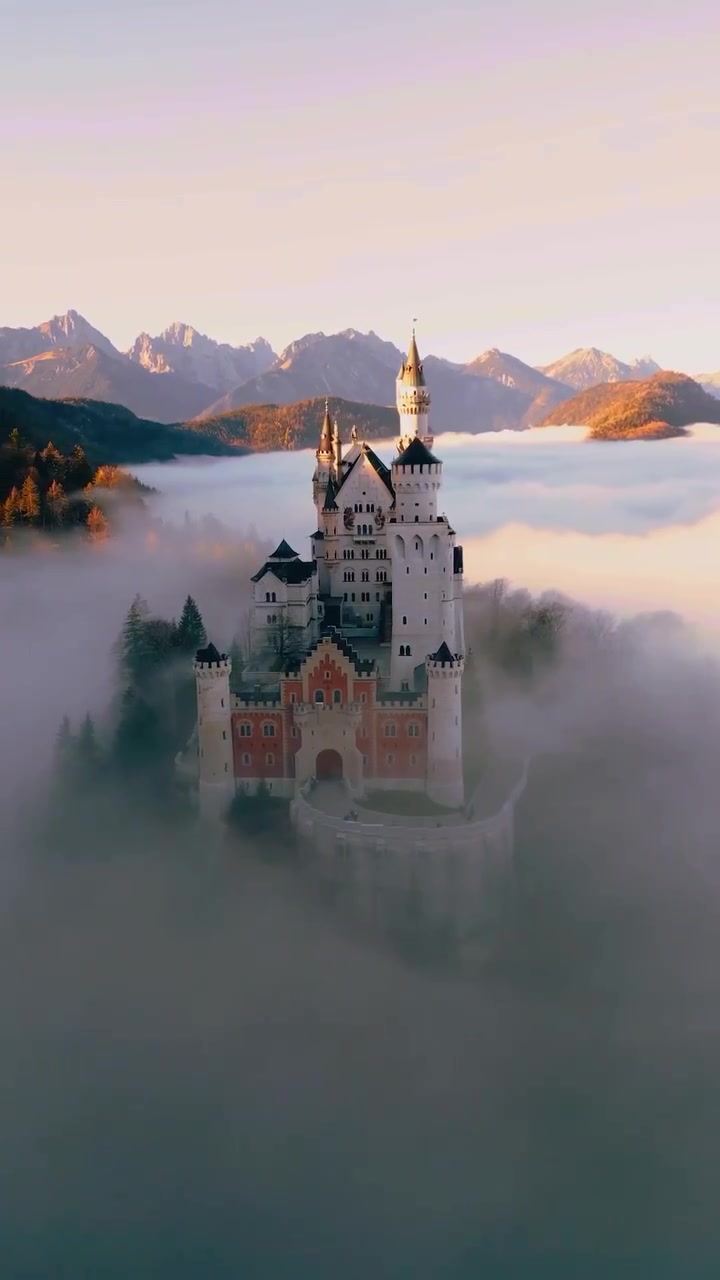
The Spectacular View of Germany’s Hilltop Fairy Tale
The grandeur of Bavaria's Neuschwanstein Castle tends to overshadow the area surrounding it. With sharp, rugged mountains and dense green forests crossing mountain ranges, the site is a testament to Nature. The castle is steeped in romance and drama, which stems from its creation by King Ludwig II, who modeled it after the House of Welf and the Knights of the Holy Grail, all ending in the King's demise.
A Hilltop Castle Emerging from Legend
Neuschwanstein Castle is more than just a monument. It’s a vision brought to life by the eccentric King Ludwig II of Bavaria, inspired by the German composer Richard Wagner’s work. This castle is extraordinary not just for its architecture but for its backstory. Commissioned in 1869, the castle came to represent a literal manifestation of Ludwig’s imagination, a place where he could escape the pressures of ruling the Kingdom. The castle’s design, combining elements of Romanesque and Gothic styles, is a physical testament to Ludwig's love for the medieval period and his search for the perfect representation of the Holy Grail. Completed in 1892, the castle incorporates a plethora of details that are a nod to these historical and mythical Romanticism infused elements. One final aspect of the castle's intrigue is that it remained unfinished at Ludwig's death, making it an epitome of both grandeur and unfinished dreams.
A Castle Reflected in Culture
Neuschwanstein Castle is a global icon that remains one of the most-visited castles in the world. It is a huge draw to tourists not only for its architectural brilliance and beauty, but also for the romantic and mystical aura it exudes. The castle’s depiction as a model for Disney’s Sleeping Beauty Castle and its architectural influence in the broader cultural sphere are telling of its cultural importance.
The Born Prince's Flight to Fantasy
The life of Ludwig II of Bavaria is steeped in contradictions. He was a young, shy, and introverted king. He was considered the "Mad King" by some, due to his eccentric and extravagant lifestyle. Ludwig's extravagance and financial strain led to his eventual dethronement and death, the latter being shrouded in mystery. He often found himself in a world of his ideal kingdom as a source of escape. . Ludwig II's obsession with Richard Wagner's operas echoed in the castle’s design and structure. He desired a retreat from his ruling responsibilities, which is why he never truly got to experience inhabiting the site, hence the castle standing as a monument to his imagination and creativity. This paradoxical life is mirrored in the castle, where beauty and drama are two sides of the same coin.
The Architectural Marvel of Neuschwanstein Castle
The castle, located near the Alpsee Lake, is the realization of Ludwig’s gothic Romantic vision. Despite the Romanesque artistically inspired design, the castle's architecture is actually based on the Gothic Revival style, with the addition of a few Romanesque elements. The castle's unique architecture and construction are a testament to the unique blend of Gothic and Romanesque elements, showcasing the medieval art period, and the visual splendor of the castle itself is a rare treat..
The Transfiguring Effect of Fog
The aerial shot of Neuschwanstein Castle includes the castle surrounded by a sea of fog, which enhances its ethereal and enchanting beauty. This fog adds a mystical touch to the scene, adding to the castle’s enchanting appeal and making it look as if it’s emerging from a romantic fairy tale or mystical world. This quality is not just a result of the scenery but also the magic of the castle itself.
A Dark and Mysterious Romance
From its creation to its death, Neuschwanstein Castle adds a dash of mystery, romance, and intrigue to its lore. The castle was a place for Ludwig to escape the pressures of his ruling responsibilities and the reality of his life. After his death, his body was never found. This adds to the intrigue, as does the fact that the castle was never meant to be a fortress but a romantic retreat for Ludwig. The castle stands to this day, a testament to Ludwig’s imagination and the power of romance over reality. The castle is not just a monument, but a living testament to the power of imagination, creativity, and romance.
A Trip to the Kingdom of Bavaria
With a limited amount of time, the best way to visit Neuschwanstein Castle is to schedule a guided tour. This ensures you receive professional knowledge about the castle and its surrounding landmarks. The surrounding area is rich with mountain trails, filtered lakes, and the most sprawling forests. The closer you are to the castle, the finer details of medieval architecture will be more visible and intricate. Local history guides, well-versed in the legacy of the castle, can be a great aide to guide any history buffs in need of expert knowledge and guidance. Be sure to stay warm and carry a pair of binoculars for a magical visit.
Watch the Reel
Questions readers ask
What inspired the design of Neuschwanstein Castle?
The design of Neuschwanstein Castle was heavily influenced by the works of German composer Richard Wagner, particularly his operas. King Ludwig II, who commissioned the castle, was deeply inspired by Wagner's music and sought to create a physical manifestation of the romantic and mythical elements found in Wagner's works. The castle's design combines elements of Romanesque and Gothic styles, reflecting Ludwig's fascination with medieval architecture and his search for the perfect representation of the Holy Grail.
Why is Neuschwanstein Castle considered unfinished?
Neuschwanstein Castle is considered unfinished because King Ludwig II died in 1886, before the castle's completion. Construction continued until 1892. The castle was meant to be a retreat for Ludwig but he never truly got to experience inhabiting the site. The unfinished nature of the castle adds to its mystique, serving as a testament to both its grandeur and the unfinished dreams of its creator.
How does Neuschwanstein Castle's architecture differ from other castles?
Neuschwanstein Castle stands out due to its unique blend of Gothic and Romanesque architectural elements. While it is primarily Gothic Revival in style, it also incorporates Romanesque details, making it a distinctive representation of medieval art. This blend reflects King Ludwig II's fascination with the romanticized medieval period and his desire to create a castle that embodied the ideals of the Holy Grail and the Knights of the Round Table.
What is the significance of Neuschwanstein Castle in popular culture?
Neuschwanstein Castle has become a global icon, often depicted as a model for Disney's Sleeping Beauty Castle. Its architectural brilliance and romantic aura have made it a popular tourist destination. The castle's influence extends beyond its physical presence, serving as a cultural symbol that embodies the romance and mystery of medieval times.
Why is Ludwig II sometimes referred to as the 'Mad King'?
Ludwig II is sometimes referred to as the 'Mad King' due to his eccentric and extravagant lifestyle. He spent enormous sums of money on his castles and was often criticized for his financial irresponsibility. His introverted nature and obsession with Richard Wagner's operas also contributed to this reputation. Ludwig's extravagance and financial strain eventually led to his dethronement and mysterious death.
Can visitors explore the inside of Neuschwanstein Castle?
Yes, visitors can explore the inside of Neuschwanstein Castle. The castle is open to the public, and guided tours are available. The tours allow visitors to see the intricate details of the castle's interior, which includes ornate rooms, elaborate frescoes, and stunning views of the surrounding Bavarian mountains. However, it's important to book tickets in advance, as the castle is a popular tourist destination.
Why was Neuschwanstein Castle built near Alpsee Lake?
Neuschwanstein Castle was built near Alpsee Lake because of its scenic beauty. The lake and the surrounding mountains provided an idyllic backdrop for Ludwig II's romantic and mythical vision. The castle's location adds to its enchanting atmosphere, making it a popular site for visitors seeking a fairy-tale experience. The castle's position on a hilltop overlooking the lake also enhances its dramatic and majestic appearance.
Related deep dives
Similar reads based on topic and creator.

Recent articles
Fresh deep dives from the latest Reels we unpacked.



Comments
Be the first to comment.