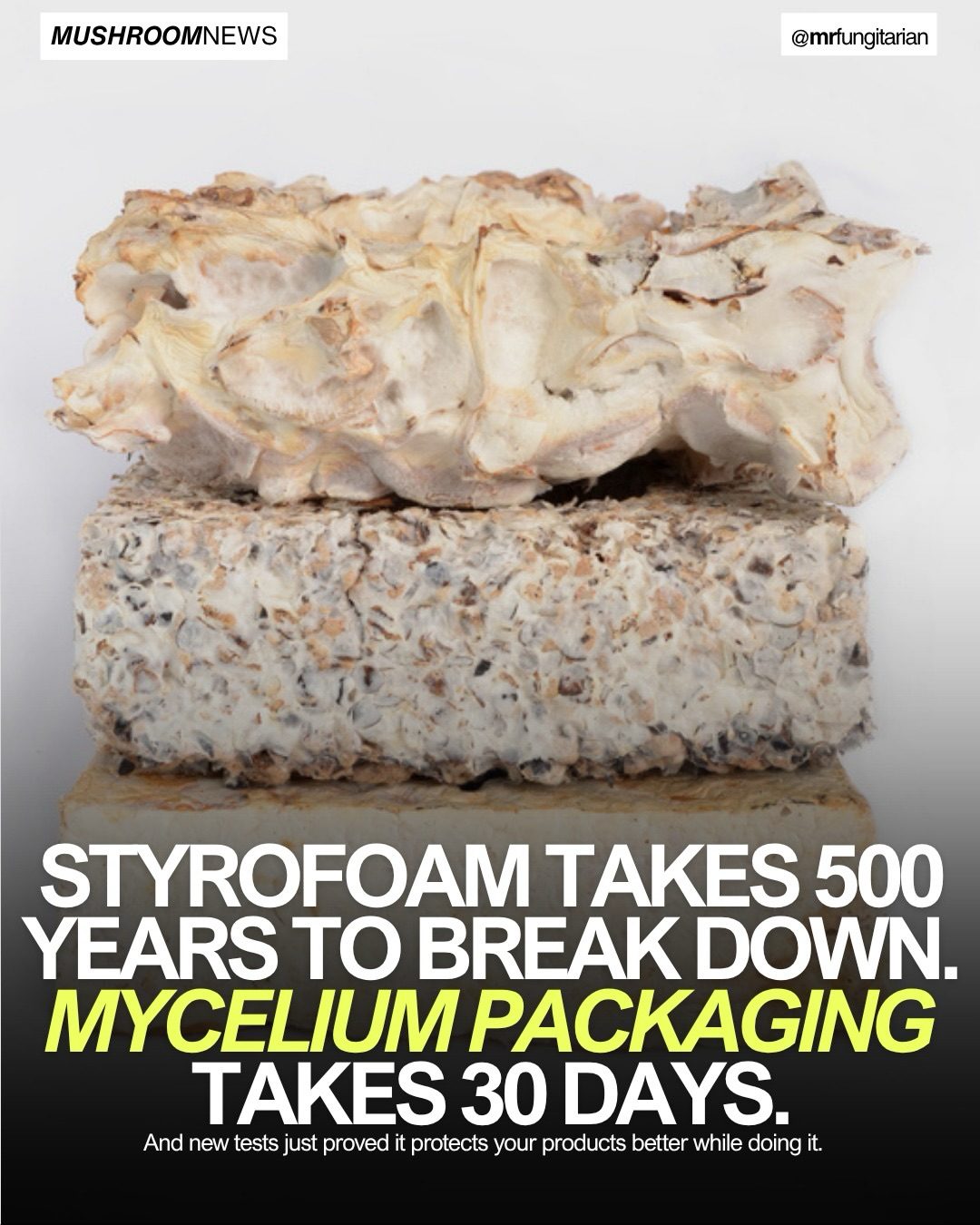
Mycelium Packaging: A Sustainable Alternative to Styrofoam
Mycelium packaging is emerging as a powerful contestant in the packaging industry, offering a sustainable alternative to traditional Styrofoam. This innovative material not only matches but often exceeds the protective capabilities of styrofoam while being fully compostable.
Why This Matters
The environmental impact of packaging materials is a growing concern. Styrofoam, despite its excellent protective qualities, poses significant challenges due to its non-biodegradable nature. It can take up to 500 years to decompose, leading to long-term environmental issues. In contrast, mycelium packaging, made from agricultural waste and fungal growth, decomposes in just 30 days. This shift towards more sustainable options is not just an environmental necessity but also a response to increasing regulatory pressures globally.
Manufacturers are actively seeking alternatives to traditional packaging materials. The rising regulatory pressure and public demand for eco-friendly solutions are driving this shift. Mycelium packaging, with its superior performance and minimal environmental footprint, is poised to become a leading contender in this transition.
Main Discussion
What is Mycelium Packaging?
Mycelium, the vegetative part of a fungus, is used to create a packaging material that is both strong and biodegradable. This material is grown from agricultural waste and fungal growth, which significantly reduces its environmental impact from the start. Unlike traditional packaging materials that require extensive manufacturing processes, mycelium packaging is grown in a controlled environment. This natural growth process not only makes it sustainable but also cost-effective in the long run.
Performance Comparison
One of the key advantages of mycelium packaging is its performance. Recent tests have shown that mycelium packaging protects as well as, if not better than, styrofoam. This is a significant breakthrough, as it removes the last real excuse for sticking with styrofoam. The protective qualities of mycelium packaging, combined with its compostable nature, make it a viable and sustainable alternative.
Environmental Impact
The environmental impact of mycelium packaging is minimal compared to traditional materials. Styrofoam, for instance, takes centuries to break down and is not efficiently processed by most recycling systems. In contrast, mycelium packaging decomposes in just 30 days, making it a far more eco-friendly option. This rapid decomposition rate reduces landfill waste and the environmental footprint of the packaging industry.
Practical Tips
For businesses considering a switch to mycelium packaging, here are some practical tips:
- Assess Your Needs: Evaluate your packaging requirements and see if mycelium packaging can meet them. Given its protective qualities, it is suitable for a wide range of applications.
- Partner with Suppliers: Work with suppliers who specialize in mycelium packaging to ensure a smooth transition. They can provide guidance on the best ways to integrate this new material into your operations.
- Promote Sustainability: Highlight the sustainable aspects of mycelium packaging in your marketing and branding. Consumers are increasingly looking for eco-friendly options, and promoting your sustainability efforts can enhance your brand image.
- Stay Informed: Keep up to date with the latest developments in mycelium packaging and sustainable materials. The field is rapidly evolving, and new innovations can provide even more benefits.
Important Takeaways
- Mycelium packaging is a sustainable alternative to traditional styrofoam, offering superior protective qualities and a significantly smaller environmental footprint.
- Regulatory pressure and public demand are driving the shift towards more sustainable packaging solutions.
- Mycelium packaging decomposes in just 30 days, making it an eco-friendly option that reduces landfill waste.
- Businesses can benefit from switching to mycelium packaging by enhancing their brand image and meeting sustainability goals.
- The performance of mycelium packaging matches or exceeds that of styrofoam, making it a viable alternative for various applications.
Conclusion
Mycelium packaging represents a significant step forward in the quest for sustainable packaging solutions. Its superior performance, combined with its rapid decomposition rate, makes it a strong contender in the packaging industry. As regulatory pressures and public demand for eco-friendly options continue to rise, mycelium packaging is poised to become a leading choice for businesses looking to reduce their environmental impact. By embracing this innovative material, companies can contribute to a more sustainable future while meeting their packaging needs.
Watch the Reel
Questions readers ask
What is mycelium packaging made from?
Mycelium packaging is made from the root structure of mushrooms, grown in agricultural waste. It is fully biodegradable and compostable, offering a sustainable alternative to traditional packaging materials.
How does mycelium packaging compare to Styrofoam in terms of protection?
Mycelium packaging matches and often surpasses the protective capabilities of Styrofoam. It provides excellent cushioning and support for products during shipping and handling, ensuring they remain safe and secure.
What is the decomposition rate of mycelium packaging compared to Styrofoam?
Mycelium packaging decomposes in approximately 30 days, while Styrofoam can take up to 500 years to break down. This rapid decomposition makes mycelium packaging a more environmentally friendly choice for product packaging.
Can mycelium packaging be used for shipping?
Yes, mycelium packaging is designed to be strong and durable, making it an excellent choice for shipping. Its protective qualities ensure that products remain safe and secure during transit, while its biodegradable nature reduces environmental impact.
How does mycelium packaging contribute to a reduction in waste?
Mycelium packaging is grown from agricultural waste and can be composted, thus reducing the need for virgin materials. Its rapid decomposition rate helps decrease the volume of waste sent to landfills, making it a significant contributor to waste reduction efforts.
Related deep dives
Similar reads based on topic and creator.

Recent articles
Fresh deep dives from the latest Reels we unpacked.




Comments
Be the first to comment.