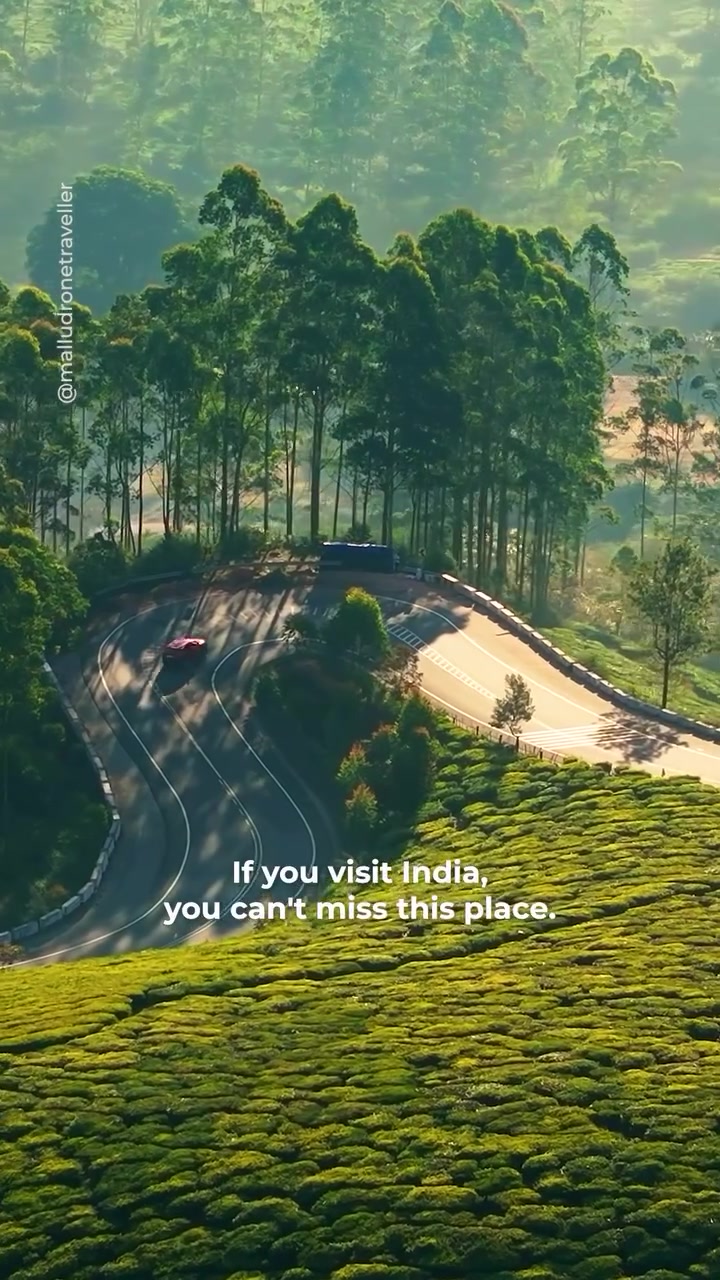
The misty green hills of India's tea-growing regions are a visual feast, and the tiny town of Munnar in Kerala is a standout locale. Tea leaves blanket the landscape and a crisp, cool atmosphere has defined the region for centuries. A centuries-long tea-growing tradition continues to thrive, where operations have been running for over 100 years. Factories founded during the early 19th century still produce some of the finest teas in the world, giving tea enthusiasts a chance to trace the intricate tea production process from raw leaves to finished products.
The world's rolling tea hills
Munnar, tucked in South India's Western Ghats, stands out as a top tea destination. It is home to the largest tea-growing region in South India. The primary reason for Munnar’s fame is its picturesque tea estates, rolling hills in all shades of green, crisp mountain air, and pleasant weather. The region enjoys a cool atmosphere, with high elevation and moist soil sprinkled with tea bushes. Tea aficionados flock to tea gardens and factories to know more about the elaborated tea production process. The region spans about 250,000 acres, and the tea bushes bloom purple and delicate in addition to tea's vibrant green signature. Tea plants have been cultivated in the Munnar region since the British colonial era began. The Munnar tea journey started nearly 100 years ago. Starting in 1935, the British developed Munnar's initial tea plantations, and in 1976, the region's tea estates were nationalized. “Covered in fresh tea leaves and crisp mountain air” describes the tea fields, where the Lower Western Ghats scenery is impressive, ferrying watch clouds drifting by as you explore tea plantations. This region, which is overseen by the tea board of Kerala, is a tourist hotspot.
The lure of tea tourism
Tourism and tea products are closely linked to Munnar’s identity, and it is an important component of the local economy. The beauty and unmatched tranquility of the landscape continue to captivate visitors. The region has a unique natural environment, with steep slopes and valleys covered with lush vegetation. This geographical feature creates the ideal conditions for tea growing and contributes to the region’s distinct character. The industrialization process of tea production has made tea factories and their produce some of the most desired commodities of the region.
From tea garden to teacup
The tea growing process in Munnar has been refined over centuries. The tea plants are meticulously cared for, and the leaves are plucked at the right time to ensure the best flavor. India is the world's second-largest tea-producing country. The area is notable for its production of Green, White, Black, and Oolong teas. Tea factories employ sturdy construction to withstand the region's often rainy climate. Factories produce tea ranging from orthodox to CTC to specialty teas. Machines and fermentation tanks turn the fresh leaves into the finished product. The intricacy of tea production leaves tea lovers in awe.
From traditional to high-tech
Munnar's tea production operations are a unique mix of traditional and modern methods. Traditional methods include manual plucking, withering and drying, and fermenting. Modern methods include sophisticated machines that process the tea leaves and advanced packaging. The tea gardens of Munnar are a testament to the region's rich cultural heritage. Some of the region's tea gardens were established during the British colonial era.
A visitor's guide
Munnar is popular among tourists for its tea estates, wildlife, and scenic beauty. Planning a trip to Munnar, Kerala, offers a range of options, from luxurious holidays to budget-friendly trips. Travelers stay in resorts or hotels in the tea estates. The dense greenery and crisp air offer a rejuvenating experience. Spending a day at the tea factory can offer the best tastes and smells of fresh tea. Getting a close-up look at the tea processing machinery can be a fascinating experience.
- Resorts and lodges: Look out for properties near the Devil's kitchen, Mattupetty dam and hotel Udvadas. Resorts with value offerings include Gaby's Resort, Tea Castle Resort, and the Blossom Hydel Resort.
- Sightseeing: Try Top Station, where you can see an unbelievable view of the mountainous view. Mattupetty Lake is another must-see spot. Lovely Meander around the lake. You can enjoy a boat ride here, too. Visit the Echo Point For its echo and lovely view of the surrounding hills and mountains. Laid back tourists head out to the Tea Museum, Ernakulam, for a guide on the history of tea and its brewing process.
- Nature Lovers: Get a closer glimpse at the Eravikulam National Park. Sprawled over 97 sq. km., it's home to the endangered Nilgiri Tahr. The park also has a full blooming of the beautiful red grass (double the size of the flower on National Symbol of India) so do watch out for those. Don't skip the Tea Museum in Munnar. Learn about the history and importance of the tea industry in India. Immerse yourself in the legacy and heritage of Indian tea.
How to enjoy tea culture
Tourists can get to experience daily life on a working plantation and taste world-class tea. Tourists can explore the tea plantations and factories. Buchanans is one of Munnar’s most famous tea factories. These tours offer a peek into the plant’s history and its operations, with demonstrations and tea tastings. An important part of the area's tea visitors is the Tea Museum, which provides a definitive guide to learning about the history of tea in the region.
Amid the foothills
The tea gardens of Munnar flourish because of their high altitude, high rainfall, and cool temperatures. Tourists can enjoy lush, green tea plantations covered with fresh tea leaves. Indulge in the region’s unique offerings, see the peaceful beauty of the nature, interact with tea workers and farmers and experience the region’s rich tea heritage.
Watch the Reel
Questions readers ask
What makes Munnar's tea plantations so special compared to other tea-growing regions?
Munnar's tea plantations stand out due to their vast expanse—covering 250,000 acres—and their stunning landscape. The region's high elevation, moist soil, and cool climate create perfect conditions for growing tea, resulting in a unique flavor profile. Additionally, the historical significance and the blend of traditional and modern production methods add to its appeal.
Can visitors explore the tea plantations and factories in Munnar, and what can they expect to see?
Yes, visitors can explore the tea plantations and factories in Munnar. They can expect to see vast rolling hills covered in tea bushes, learn about the intricate tea-production process, and even witness the transformation of raw leaves into finished products. The experience is both educational and visually stunning, especially with the backdrop of the Western Ghats.
How does the tea production process in Munnar work, and what types of tea are produced?
The tea production process in Munnar involves carefully tending to the tea plants, plucking the leaves at the optimal time, and then processing them using a mix of traditional and modern methods. The region is known for producing various types of tea, including Green, White, Black, and Oolong teas. Factories use machines and fermentation tanks to turn fresh leaves into the final product, offering a range of orthodox, CTC, and specialty teas.
What is the historical significance of Munnar's tea plantations, and how have they evolved over time?
Munnar's tea plantations have a rich history dating back to the British colonial era. The region's tea journey began nearly 100 years ago, with the initial plantations developed in 1935 and the estates nationalized in 1976. Over the years, the production methods have evolved to include a blend of traditional and high-tech processes, making it a unique destination for tea enthusiasts and tourists alike.
How does the geography of Munnar contribute to its tea-growing success?
Munnar's geography, characterized by steep slopes, valleys, and lush vegetation, creates the ideal conditions for tea growing. The high elevation, cool climate, and moist soil are perfect for cultivating tea bushes, which thrive in these conditions. This unique environment not only supports the growth of tea but also adds to the region's distinct character and natural beauty.
What role does tourism play in Munnar's tea industry, and how does it benefit the local economy?
Tourism is a significant component of Munnar's identity and economy. The region's picturesque tea estates, pleasant weather, and unique natural environment attract visitors from around the world. Tea tourism allows visitors to explore the tea gardens, learn about the production process, and sample the region's finest teas. This influx of tourists supports local businesses and contributes to the region's economic growth.
Related deep dives
Similar reads based on topic and creator.



Recent articles
Fresh deep dives from the latest Reels we unpacked.




Comments
Be the first to comment.