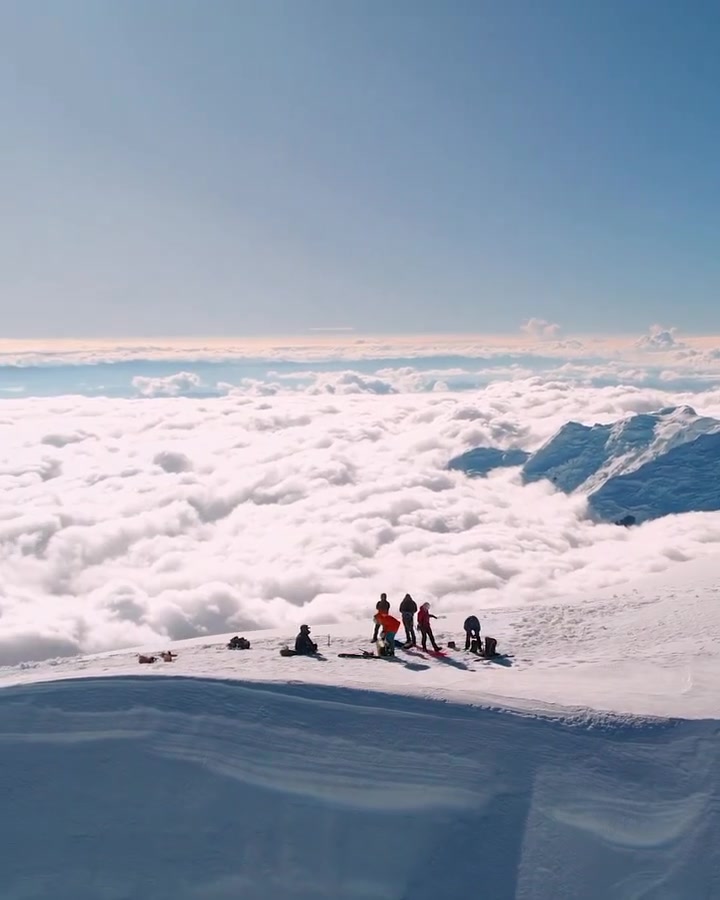
In the Shadow of Giants
Climbers inch up a near-vertical cliffside, the Himalayas looming above. The air is thin, and every step is brutal. But these climbers don’t look down. They’re focused on the ascent, on becoming one with the mountain. This is mountaineering, the art of conquering vertical terrain. The boundaries of human limits are always being challenged in this sport, where the fundamental aspects of human nature are pushed to their extremes
A Vertical World
Mountain climbing, or mountaineering, is the sport of ascending high mountains. It is about the encounter of humans with the high mountains of the world. This encounter may be a struggle and even a fight against nature, but it is more than that as well — it's about experiencing beauty and becoming one with nature. More than a sport for the daring, mountaineering entails dealing with intense challenges like harsh weather conditions, lack of oxygen, and steep inclines. Mountaineers require complex skills in rock climbing, ice climbing, and navigation. For a sport so physically and psychologically demanding, the rewards are often profoundly personal, offering a sense of accomplishment and connection to nature that few other pursuits can match. The tools of the trade include ropes, harnesses, crampons, ice axes, and helmets, but the most crucial gear is the climber's mind and body. mountaineering is distinctive in its blend of physical endurance, technical expertise, and mental fortitude. Climbers must navigate treacherous landscapes, from steep rock faces to icy slopes, and weather that can change in an instant. The vertical world demands a unique set of skills and a deep respect for the elements. Unlike other outdoor pursuits, mountaineering pushes athletes to adapt to the harshest of conditions, where just reaching the summit may be a victory. It’s an adventure, an science, and an art. It's an encounter with nature, and with oneself. The height and the danger and the effort required to reach the top create a physical and psychological fight, that makes mountaineering more rewarding, and a mounting experience. As climbers ascend peaks surrounded by clouds and enveloped in atmospheric beauty. The Himalayas stretch across Nepal, Pakistan, India and Bhutan: The climbers in this video could be ascending any one of the world's largest mountains, such as Mount Everest, K2, Kanchenjunga, or Lhotse. The journey can take weeks or months, demanding a level of dedication and determination that few activities can match
Adventure in the Thin Air
Climbing the Himalayas is about seeking the highest altitude and at the same time challenging the human will. And other than the physical aspects, it changes the human character, the values that one holds. Climbers often seek the solitude and challenge of the world's highest mountains. Climbing the Himalayas has long been a dream of adventurers and athletes from around the world. From the medieval era, Buddhist pilgrims traveled to the Himalayas to honor sacred mountains. Climbing the Himalayas started in the 19th century; Edmund Hillary and Sherpa Tenzing Norgay conquered Mount Everest, the world’s highest mountain in 1953. Today, the focus has shifted further up the mountains, with climbers seeking to summit increasingly difficult peaks and tackle new routes. One of the key challenges in mountaineering is dealing with the limited oxygen at high altitudes. Climbers must acclimatize to the thinning air, which means spending time at progressively higher elevations to allow the body to adapt. This process can take days or even weeks, during which climbers must navigate through the lack of oxygen and lower temperatures— a higher chance of frostbite injuries, heart attacks, and mental fatigue. But the climbers are rewarded with a breathtaking journey. They are exploring the sense of oneness with nature and the feeling of being at peace in the Himalayas. This sense of peace and harmony with nature, and the joy of achieving the goal, makes the sport more valuable.
The vertical fight Is a Silent Battle
As any mountaineer knows, weather can change on the Himalayas, so climbers must be prepared for sudden storms, whiteouts, and extreme cold. This unpredictable weather presents a constant challenge but also adds to the thrill of the climb. The climbers navigate the mountains carrying a lot of weight on their backs, which slows them down, and therefore they have to pace themselves and stay within their limits to tackle the peaks. The sportsmen see their journey as one of the greatest adventures of their lives. It's why people climb the Himalayas. As one climber put it: "It's like an addiction, once you start you can't stop, Because climbing the Himalayas definitely changes your life, the events that you go through, and the things that you see are life-changing. Everything you experience during your journey is unforgettable, and the climber will never forget these memories. Climbing is not just the physical battle; it's also a mental achievement, a spiritual journey, and a step towards the unknown, sometimes life-changing adventure
The Threat of the Unknown
Mountaineering, especially in the Himalayas, comes with inherent risks. Avalanches, rockfalls, and altitude sickness are common dangers, and rescue efforts can be extremely challenging. Yet, despite these risks, climbers are drawn to the allure of the mountains, seeking to conquer peaks and push their own limits. Climbers must be prepared, both physically and mentally, for the challenges that lie ahead. This means rigorous training, thorough planning, and a deep respect for the mountain and its dangers. The climbers train for years to gain the physical endurance and mental fortitude required to climb the Himalayas. It requires a high level of fitness, mental strength, and technical ability. The climbers should be aware of the risks, so they could overcome their fear, deal with the unknown, and be prepared for the unexpected in the Himalayas. The weather and altitudes can show other threats to the mountaineers, such as frostbite injuries, heart attacks, and mental fatigue. The climbers experience a lot of emotions, such as fears, doubts, and frustrations. However, they feel ecstatic and joyful as they achieve their goals and gain knowledge and respect for the mountains. 10-25% of climbers return from the Himalayas with some form of frostbite. Such statistics hint at the severity of these conditions
Where to start?
If you're captivated by the thrill of mountain climbing: Community is key — ask local climbers for recommendations specific to your skill level. Trails, mountain ranger stations, and outdoor gear retail shops can be great places to learn about the prettiest climbs and routes aren't unsafe
- Physically Prepare: Mountaineering requires high endurance to navigate the mountains. You’ll need to maintain your fitness and strength with various exercises and activities, including:
- Running or hiking
- Weight training and swimming Navigate: Get comfortable with a map and compass.
- Treasure Maps: Familiarize yourself with topographic maps and navigation tools of the area.
- Start Small: Begin with nearby mountains. You will be surprised by how much learning you could get from these journeys, including the feel of mountain air and acclimatization to the terrain Take a Course: Learn from experts to build a solid foundation. Mountaineering is a lifelong pursuit, and the skills you acquire will serve you well in many situations. But the most important tool you need is a strong will and determination, and the respect for these mountains and their threats.
The trail is the reward
Mountaineering in the Himalayas is more than just a physical challenge; it's a journey of self-discovery. The mountains demand respect, and in return, they offer an unparalleled sense of accomplishment. As climbers ascend, they confront not only the physical demands of the terrain but also the mental and emotional challenges that come with pushing personal boundaries. It offers an opportunity to experience the beauty and grandeur of nature in a way that few other activities can match.
Watch the Reel
Questions readers ask
What kind of gear do climbers need to tackle the Himalayas?
Climbers need a variety of specialized gear to handle the extreme conditions of the Himalayas. This includes ropes, harnesses, crampons, ice axes, and helmets. However, the most crucial gear is the climber's own mind and body, as the mental and physical demands are immense. Climbing the Himalayas is not just a physical challenge, but a psychological one as well.
How does climbing the Himalayas compare to other forms of mountaineering?
Climbing the Himalayas is unique due to its extreme altitudes and harsh conditions. Unlike other mountains, the Himalayas push climbers to adapt to thin air, steep inclines, and rapidly changing weather. The journey can take weeks or even months, requiring a level of dedication and determination that is unmatched by other mountaineering expeditions. The physical and psychological challenges are intense, but the rewards are equally profound.
What skills do climbers need to conquer the Himalayas?
Climbers need a blend of physical endurance, technical expertise, and mental fortitude. Skills in rock climbing, ice climbing, and navigation are essential. They must also be prepared to deal with harsh weather conditions, lack of oxygen, and steep inclines. The vertical world of the Himalayas demands a unique set of skills and a deep respect for the elements.
Does the journey change the climber's character and values?
Yes, the journey of climbing the Himalayas can significantly change a climber's character and values. The extreme conditions and the physical and psychological challenges push climbers to their limits, often leading to a deeper understanding of their own capabilities and a renewed appreciation for nature. The solitude and challenge of the world's highest mountains can transform one's perspective on life and personal values.
What makes the aerial views from the Himalayas so special?
The aerial views from the Himalayas are incredibly special because they offer a unique perspective on the world from an altitude where few people have ever been. From the summit, climbers see the world anew, with an intimate, vertical world revealed. The beauty and majesty of the peaks, surrounded by clouds and atmospheric beauty, create a profoundly personal and awe-inspiring experience.
Related deep dives
Similar reads based on topic and creator.



Recent articles
Fresh deep dives from the latest Reels we unpacked.



Comments
Be the first to comment.