Moss and Carbon Dioxide
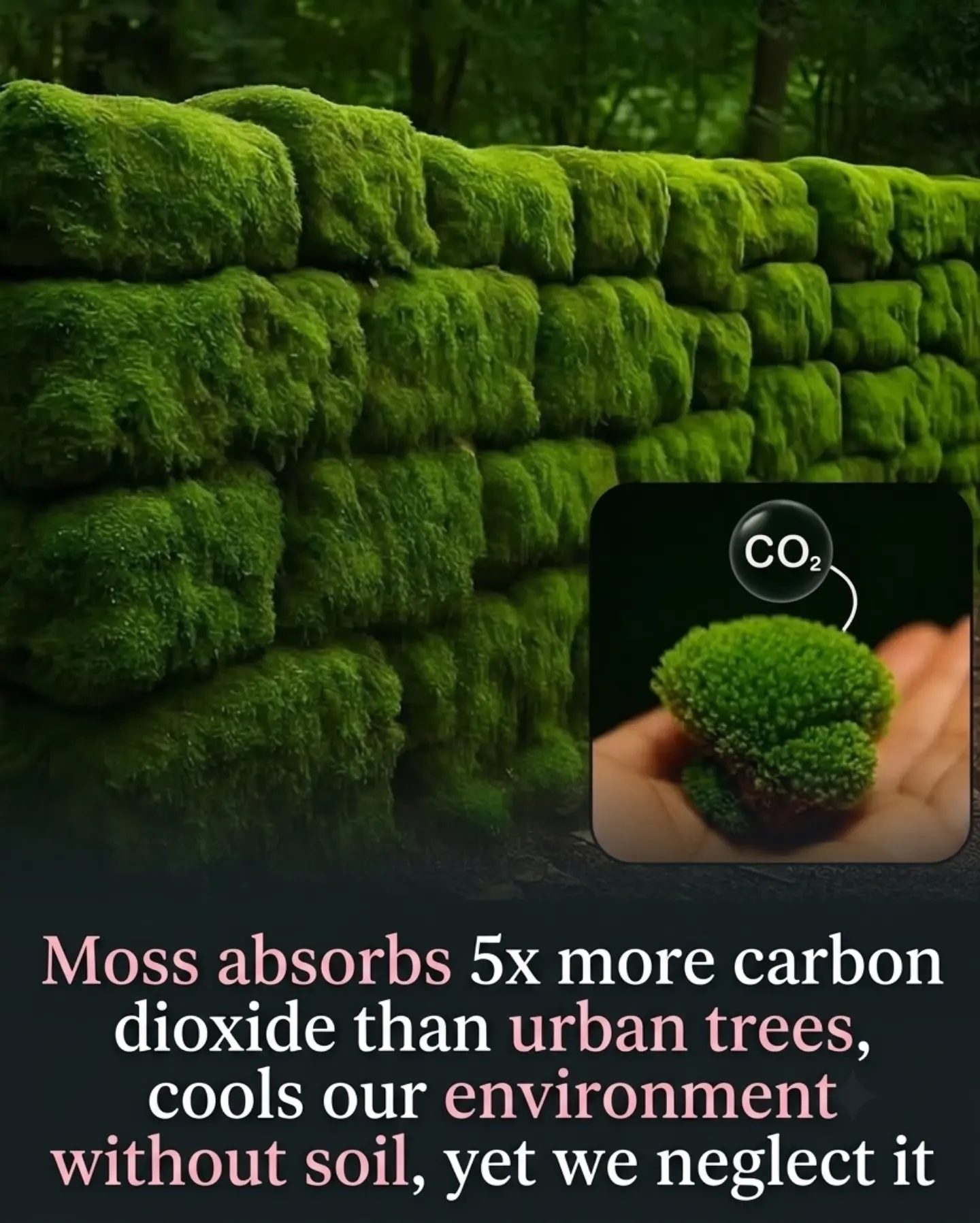
Moss, often overlooked and underestimated, plays a crucial role in absorbing carbon dioxide and cooling urban environments. This natural wonder acts as a highly efficient, soil-free biological filter, making it an invaluable tool for combatting urban heat islands and reducing greenhouse gas emissions.
Context / Why this matters
In densely populated cities, space is a premium commodity, and traditional methods of planting trees to combat urban heat and carbon emissions are often not feasible. Moss offers a viable, space-efficient alternative that can significantly impact urban environments. By understanding the benefits of moss, urban planners and environmental enthusiasts can leverage this natural resource to create cooler, cleaner cities.
Main discussion
The remarkable ability of moss to absorb carbon dioxide
Moss has an impressive capacity to absorb carbon dioxide. In fact, it can absorb five times more carbon dioxide than urban trees. This is due to its dense surface area, which allows it to capture large quantities of pollutants and greenhouse gases relative to its physical footprint. This makes moss an incredibly effective tool for reducing emissions in urban environments where traditional trees might not be structurally feasible.
Cooling the environment without soil
One of the standout features of moss is its ability to cool the environment without requiring soil. Through a process called evapotranspiration, moss releases water vapor into the atmosphere, which has a cooling effect on the surrounding area. This is particularly beneficial in urban environments where heat can become trapped, leading to the urban heat island effect. By incorporating moss into urban landscapes, cities can naturally regulate temperatures and create more comfortable living conditions.
The neglect of moss despite its environmental benefits
Despite the numerous benefits of moss, it is often neglected and overlooked. This is a significant oversight, given the critical role moss plays in absorbing carbon dioxide and cooling urban environments. Raising awareness about the benefits of moss can help shift perceptions and encourage more people to integrate moss into their urban landscapes. By doing so, cities can take a significant step towards combating the urban heat island effect and reducing carbon emissions.
Moss as a natural solution to urban heat islands
Urban heat islands occur when urban areas are significantly warmer than their surrounding rural areas. This is often due to the abundance of heat-absorbing materials like concrete and asphalt, combined with a lack of natural vegetation. Moss provides a natural solution to this problem by not only absorbing excess heat but also releasing water vapor into the atmosphere, which helps to cool the environment.
The role of moss in urban planning
Given its space-efficient nature and numerous environmental benefits, moss should be an essential consideration in urban planning. By incorporating moss into urban landscapes, cities can create more sustainable and livable environments. Whether it's through the creation of moss walls, rooftop gardens, or simply encouraging the growth of moss in public spaces, there are many ways to integrate moss into urban design. This can lead to cleaner air, cooler temperatures, and a more pleasant living environment for urban residents.
Practical tips
Encouraging moss growth in urban environments
To encourage moss growth in urban environments, it's essential to create the right conditions. Moss thrives in shady, moist environments, so areas with minimal sunlight and regular water exposure are ideal. Avoid areas with heavy foot traffic, as this can disturb the moss and hinder its growth. Additionally, ensure that the area is free from pollutants, as this can negatively impact the health of the moss.
Integrating moss into urban design
There are several practical ways to integrate moss into urban design. Moss walls and moss paintings can be created to cover vertical surfaces, such as building walls and fences. Moss can also be used in rooftop gardens or as ground cover in public parks and green spaces. These applications not only enhance the aesthetic appeal of urban environments but also provide significant environmental benefits.
Maintaining moss for optimal performance
To ensure that moss continues to provide its environmental benefits, it's important to maintain it properly. Regularly water moss to keep it hydrated, and remove any debris or pollutants that may accumulate on its surface. Additionally, avoid the use of chemicals or pesticides near moss, as these can harm the moss and reduce its ability to absorb pollutants and greenhouse gases.
Important takeaways
Moss is a powerful tool for combatting urban heat islands and reducing carbon emissions. By absorbing large quantities of carbon dioxide and cooling the environment through evapotranspiration, moss provides significant environmental benefits. Incorporating moss into urban landscapes can create more sustainable and livable cities, improve air quality, and regulate temperatures. Urban planners and environmental enthusiasts should consider the role of moss in urban design and work to integrate it into their communities.
Conclusion
Moss offers a natural, space-efficient solution to the challenges posed by urban heat islands and carbon emissions. By understanding its benefits and incorporating it into urban landscapes, we can create cleaner, cooler, and more sustainable cities. Whether through moss walls, rooftop gardens, or ground cover, there are numerous ways to leverage the power of moss to improve urban environments. Raising awareness about the benefits of moss is the first step in harnessing its potential to transform our cities into greener, more livable spaces.
Watch the Reel
Questions readers ask
What makes moss an effective urban CO2 absorber?
Moss is exceptionally effective at absorbing carbon dioxide due to its dense surface area, which allows it to trap and process large amounts of CO2. Unlike trees, moss does not require extensive soil or space, making it ideal for urban settings where land is scarce.
How does moss help mitigate the urban heat island effect?
Moss acts as a natural coolant in urban environments by evaporating water from its leaves, a process that cools the surrounding air. This makes it an excellent tool for combating the urban heat island effect, where cities are significantly warmer than their rural surroundings.
Can moss function as a biological filter in urban areas?
Yes, moss serves as a biological filter by absorbing not only carbon dioxide but also other pollutants, such as nitrogen oxides and particulate matter. This filtering capability helps improve air quality in urban environments, making it a valuable addition to city green spaces.
What are the benefits of using moss in densely populated cities?
Moss offers several benefits for densely populated cities. It requires minimal space, can grow on various surfaces, and effectively absorbs CO2 and cools urban environments. Additionally, moss can enhance urban aesthetics and support local biodiversity.
How does moss compare to trees in urban cooling and CO2 absorption?
While trees are excellent for cooling and CO2 absorption, they require significant space and soil, which are often limited in urban areas. Moss, on the other hand, can grow on walls, rooftops, and other small spaces, making it a more practical solution for urban cooling and CO2 reduction.
What is the urban heat island effect and how can moss help?
The urban heat island effect occurs when urban areas are significantly warmer than their rural surroundings due to human activities and the abundance of heat-absorbing surfaces. Moss helps mitigate this effect by cooling the air through evaporation and reducing the amount of heat absorbed by surfaces.
What are the advantages of using soil-free moss in urban environments?
Soil-free moss is advantageous for urban environments because it can grow on various surfaces without the need for extensive soil preparation. This makes it easier to integrate into urban landscapes, allowing for flexible and innovative green solutions in densely populated areas.
Related deep dives
Similar reads based on topic and creator.

Recent articles
Fresh deep dives from the latest Reels we unpacked.




Comments
Be the first to comment.