The Grandeur of Sacred Spaces
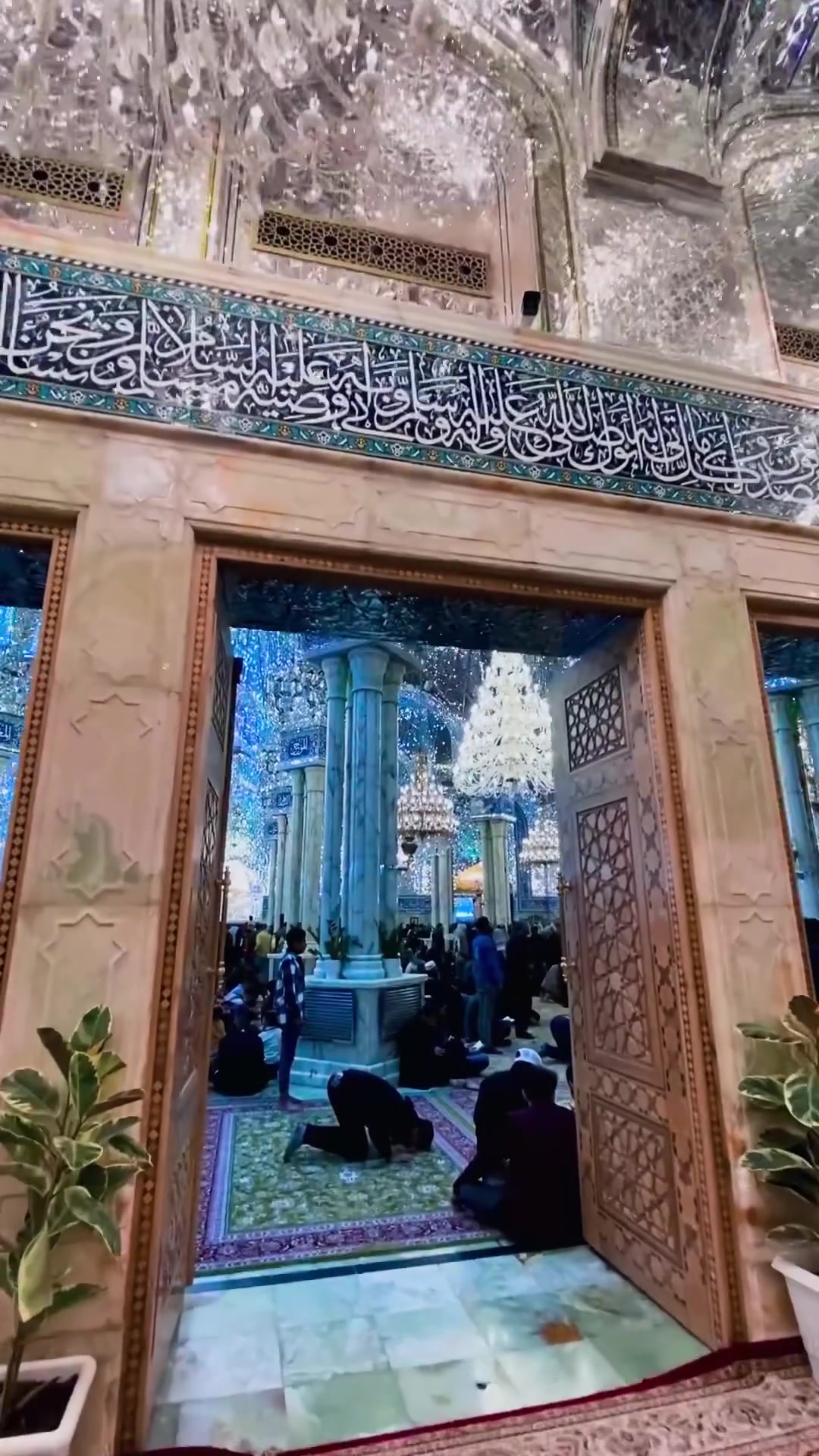
Elaborate chandeliers cast a warm glow on mirrored surfaces in the sprawling interior of a shrine or mosque. The space, which measures 100,000 feet, is indeed opulent—a word that is lacking when describing the experience. At its core, is the devotional ritual, which is not a very lively activity, rather, it is a deeply reverent act.
A World of Worship in Writings
Religious sites hold extraordinary architectural features, but that is only one part of the story. Turkish mosques have very unique inqscribed walls, the most exceptional being the ones with intricate calligraphy. These decorative elements date back to the 15th century and often bear religious verse, illustrating the site’s rich spiritual tradition. The artisan decorate each word to express their religion in a way that only a few can express. Near the Qurans, a person could be seen engrossed in prayer, saying “Aum”. This mantra carries great significance in faith practices and is used to create a spiritual connection to a divinity. A visitor to such a place might find that the beauty of worship is not necessarily in the architecture or decorations, but is also in the time-honored traditions and devotional practice of the people that have existed for many centuries.
The Grand Stage of Devotion
Faith infrastructures have always been more than just places of worship. They have always been the center point of trade, and in many cases, the social hubs of towns and cities. India, for example, has been known for mosques like the Taj-ul-Masjid which were constructed in 1820 to be the center of all the activities happening around it. They have been designed to be multifunctional and have played a huge role in the social infrastructure of the town. From the 10th century to the 19th, Mosques in Turkey and shrines in India have been sites for a mixture of secular and religious culture. In modern day, mosques in Istanbul, Turkey, are hubs for all the activities in a city. You will never experience the true essence of a mosque until you have experienced the Friday sermon. The noise and the crowd dives you into a world of devotion where everyone prays for the same things: peace, prosperity, and divine intervention.
Calligraphy: The Sacred Language
Every kind of Islamic calligraphy has one aim — to honor the Quran. Modern-day calligraphy has evolved to be the center of the worship experience, with the most famous lines of calligraphy being found in Turkish mosques. The lines of calligraphy are a core part of the experience in a mosque and have been consistently used to beautify worship spaces. The calligraphy has always been a method of expressing the faith and is known for its intricate designs. As such, calligraphy remains the apex point of expression for worshippers.
Modern Worship
Knowing that historically, a mosque was a place for more than just devotions, it is very evident to know that it has been the center of every activity and it has been the center of attraction for the population. Today the shrines, which have been the center of all activities, especially has seen a huge surge in the number of visitors who visit the sites. The experience at the shrines has seen both the faithful, as well as a spike in the number of tourists, making it one of the usual places for tourists to visit. This is in addition to the fact that these shrines have seen a recent surge in the number of events and activities that are held here.
Practical Guide to Dive into Sacred Spaces
- The Experience: Plan to spend quite a while in reflection and prayer. A place of worship is not just a place to take in the architecture, but is a place where one can connect with their inner self.
- Respect Tradition: Understand the rules for visiting religious sites. For example, many mosques have approved dress codes. Be mindful of the time of day you visit as it could affect the activities and worship you experience. Friday sermons are usually very crowded.
Watch the Reel
Questions readers ask
What makes the interior of a mosque in Istanbul so visually striking?
Mosques in Istanbul are renowned for their opulent interiors, featuring elaborate chandeliers and mirrored surfaces that create a warm, reflective atmosphere. The sheer scale of the space, measuring 100,000 square feet, adds to the grandeur, making it a visually stunning experience. The intricate calligraphy and religious verse inscribed on the walls further enhance the aesthetic appeal, reflecting the rich cultural and spiritual heritage of the region.
How do the calligraphic inscriptions in Turkish mosques contribute to the worship experience?
Calligraphy in Turkish mosques serves a dual purpose: it beautifies the worship space and honors the Quran. The intricate designs and religious verses create a deeply spiritual atmosphere, making the calligraphy a central part of the worship experience. It allows worshippers to connect with their faith on a more profound level, as the art form is not just decorative but also a means of expressing devotion.
What role do mosques play in the social fabric of communities, especially in cities like Istanbul?
Mosques in Istanbul are more than just places of worship; they are social and cultural hubs. Historically, they have served as centers for trade and community gatherings, and today, they continue to be vibrant spaces where people come together for various activities. The Friday sermon, in particular, is a powerful communal experience where the entire congregation unites in prayer, seeking peace, prosperity, and divine intervention.
How has the significance of calligraphy evolved in Islamic worship spaces?
Calligraphy has always been a sacred art form in Islamic worship, used to honor the Quran and express faith. In modern times, it has become even more central to the worship experience, with intricate designs and religious verses adorning the walls of mosques. This evolution has made calligraphy not just a decorative element but a core aspect of the spiritual ambiance, enriching the devotional practice of worshippers.
Can visitors experience the Friday sermon in a mosque, and what is it like?
Yes, visitors are welcome to experience the Friday sermon, known as Jummah. It is a deeply immersive experience where the mosque is filled with the crowd, and the collective energy of devotion is palpable. The sermon itself is a profound act of worship, where everyone comes together to pray for peace, prosperity, and divine intervention, creating a sense of unity and spiritual connection.
What are some examples of mosques that have served as social hubs in addition to religious spaces?
One notable example is the Taj-ul-Masjid in India, which was constructed in 1820 as a multifunctional space that served as the center of all activities in the surrounding town. Similarly, mosques in Istanbul, Turkey, have historically been social hubs where people gathered for trade, community events, and religious practices, reflecting the multifaceted role of these spaces in the social infrastructure.
Related deep dives
Similar reads based on topic and creator.


Recent articles
Fresh deep dives from the latest Reels we unpacked.




Comments
Be the first to comment.