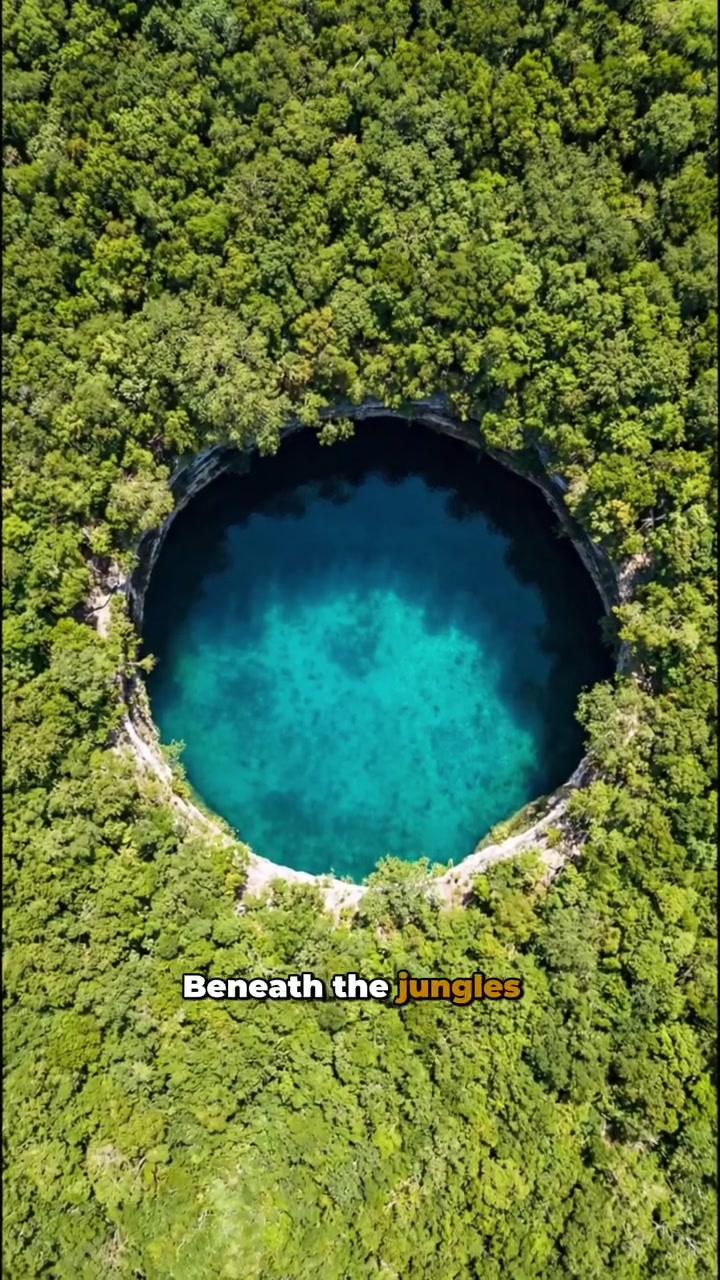
A Submerged Labyrinth
Buried beneath the verdant jungles of Mexico lies the longest underground river on Earth, a vast network of over 200 miles of flooded caves twisted through darkness. Hidden beneath centuries of vegetation, the Sac Actun Cave system remains one of the most intriguing formations on the planet. It offers a glimpse into the very origins of life on Earth and harbors traces of extinct creatures.
Why the Discovery of Sac Actun Opens a Window to the Ancient Earth
The discovery of the Sac Actun Cave system holds immense significance beyond its mere existence as a geographical marvel. Its location within the ring of the Chicxulub crater is a testament to the raw power of cosmic events that shaped our planet's evolution. This bridge to the past enables scientists to study the remnants of ancient ecosystems, human history, and geological changes. It challenges modern understanding of human origins in the Americas. The cave's geological history began 66 million years ago with an asteroid impact leading to the extinction of dinosaurs. It left a crater, which then formed the submerged caves. This connection highlights the interconnectedness of the Earth's geological history and reinforces the impact of extraordinary forces on the Earth's surface. The underground river is a unique environment, allowing researchers to explore the effects of this impact on Earth's ecosystems, human history, and geology. Stretching 200 miles, the labyrinth of underwater caves presents challenges to researchers in mapping the entire system, though technology is extending the reach further. In equal measure, these caves are a treasure trove for anthropologists and archaeologists, containing traces of extinct animals and the oldest humans found in the Americas.
Entering the Underground
The Importance of Cenotes
The entrance to this underwater world is through cenotes, natural openings formed by collapsed limestone bedrock. These cenotes are a unique feature of the Yucatan Peninsula, ranging from small structures to massive flooded caves. The largest cenotes, like Dos Ojos, are the most well-known, becoming famous for their stunning turquoise waters.
The Underwater Ecosystem
The immediate diving experience in cenotes is one of pristine fresh water, clear visibility, and unique geological formations. Inside the flooded caves, the environment is still and quiet, allowing the divers a sense of floating. The lack of light darkens the color of the water, creating a mysterious atmosphere. The walls and ceiling of the caves showcase stunning geological formations, including stalactites and stalagmites.
A Treasure Trove for Archaeologists and Geologists
Cave diving in Sac Actun is more than just a breathtaking dive; it is an adventure through time. Divers have stumbled upon remains of ancient species such as giant sloths and mammoths, as well as human bones. The artifacts in this underwater preserve date back to the Mayan civilization, revealing their rituals of offerings and sacrifices. Particularly one of the oldest humans ever found in the Americas, who have provided ancient DNA.
A Glimpse into the Maya's Subterranean World
The Maya civilization treated these underwater caverns with reverence, viewing them as portals to the underworld, or Xibalba. The divers found evidence of Maya sacrificial practices where offerings and people were thrown into the depths. It adds to the mystique of the Maya culture, illustrating their deep connection with the natural world and their belief in the underworld.
Challenges and Risks
Guided expeditions are often the safest way for divers to explore these underground waters. The maze of flooded, unmapped caves presents a significant risk of getting lost. In addition, diving through these unique ecosystems requires training and knowledge to navigate underwater caves with minimal visibility.
The Practical Requirement
If you plan to dive into the caves of Sac Actun, practical needs and precautions deem of significance. Research and Knowledge: Understanding the complex geography and history of the caves is essential before making any dive. The information on the geology, history and the animals that inhabited the area is also illuminating. Training and Equipment: Proper training with a certified guide is essential for cave diving. Divers must also equip themselves with the right gear to navigate the cave's underworld.
- Diving Gear: Equipment includes full scuba gear, underwater lights and communication equipment.
- Diving Buddy: Guided expeditions are the safest option. It will help to have a diving buddy and a reliable diving guide.
- Preparation: Proper physical and psychological preparation. The caves can be daunting and require mental fortitude.
The Lasting Intrigue of the Underground
The mystery and allure surrounding the Sac Actun Cave system persist, shrouded in darkness. Its ability to preserve history and geology makes it a valuable resource for researchers, while the thrill of diving through the labyrinths and exploring the underwater ecosystem is a challenge for seasoned divers. Despite the lack of detailed maps, the caves remain an uncharted reserve, preserving remnants of the ancient world. The merger of its geological mystery and historical intrigue continues to be pivotal.
Watch the Reel
Questions readers ask
What exactly are cenotes and how do they relate to the Sac Actun Cave system?
Cenotes are natural openings formed by collapsed limestone bedrock, unique to the Yucatan Peninsula. They serve as the primary entrances to the Sac Actun Cave system, leading divers into the vast network of flooded caves. Some of the most well-known cenotes, like Dos Ojos, are famous for their stunning turquoise waters and serve as popular dive sites.
How does the Sac Actun Cave system relate to the Chicxulub crater?
The Sac Actun Cave system is located within the ring of the Chicxulub crater, which was formed 66 million years ago by an asteroid impact that led to the extinction of the dinosaurs. This connection allows scientists to study the geological changes and the effects of this impact on Earth's ecosystems and human history.
What kinds of artifacts and remains have been found in the Sac Actun Cave system?
The caves have yielded remains of ancient species like giant sloths and mammoths, as well as human bones, including some of the oldest humans ever found in the Americas. Artifacts from the Mayan civilization, such as those related to their rituals of offerings and sacrifices, have also been discovered, providing valuable insights into ancient human history.
What is the diving experience like in the Sac Actun Cave system?
Diving in the Sac Actun Cave system is described as a serene and mystical experience. Divers enter through cenotes and are greeted by pristine fresh water, clear visibility, and unique geological formations. The lack of light creates a mysterious atmosphere, and the stillness of the water adds to the sense of adventure through time.
Can anyone dive in the Sac Actun Cave system, or is it restricted to professional researchers?
While the Sac Actun Cave system is a unique and fascinating place to explore, it is not open to just anyone. Due to the challenges of cave diving and the scientific importance of the site, access is typically restricted to experienced divers and professional researchers. It is essential to have the proper training and equipment, and to follow strict safety guidelines.
How does the Sac Actun Cave system challenge modern understanding of human origins in the Americas?
The discovery of some of the oldest human remains in the Americas within the Sac Actun Cave system challenges existing theories about when and how humans first arrived in the region. This finding suggests that humans may have been present in the Americas earlier than previously thought, and it provides new insights into the migration patterns and cultural practices of ancient civilizations.
Related deep dives
Similar reads based on topic and creator.

Recent articles
Fresh deep dives from the latest Reels we unpacked.

Comments
Be the first to comment.