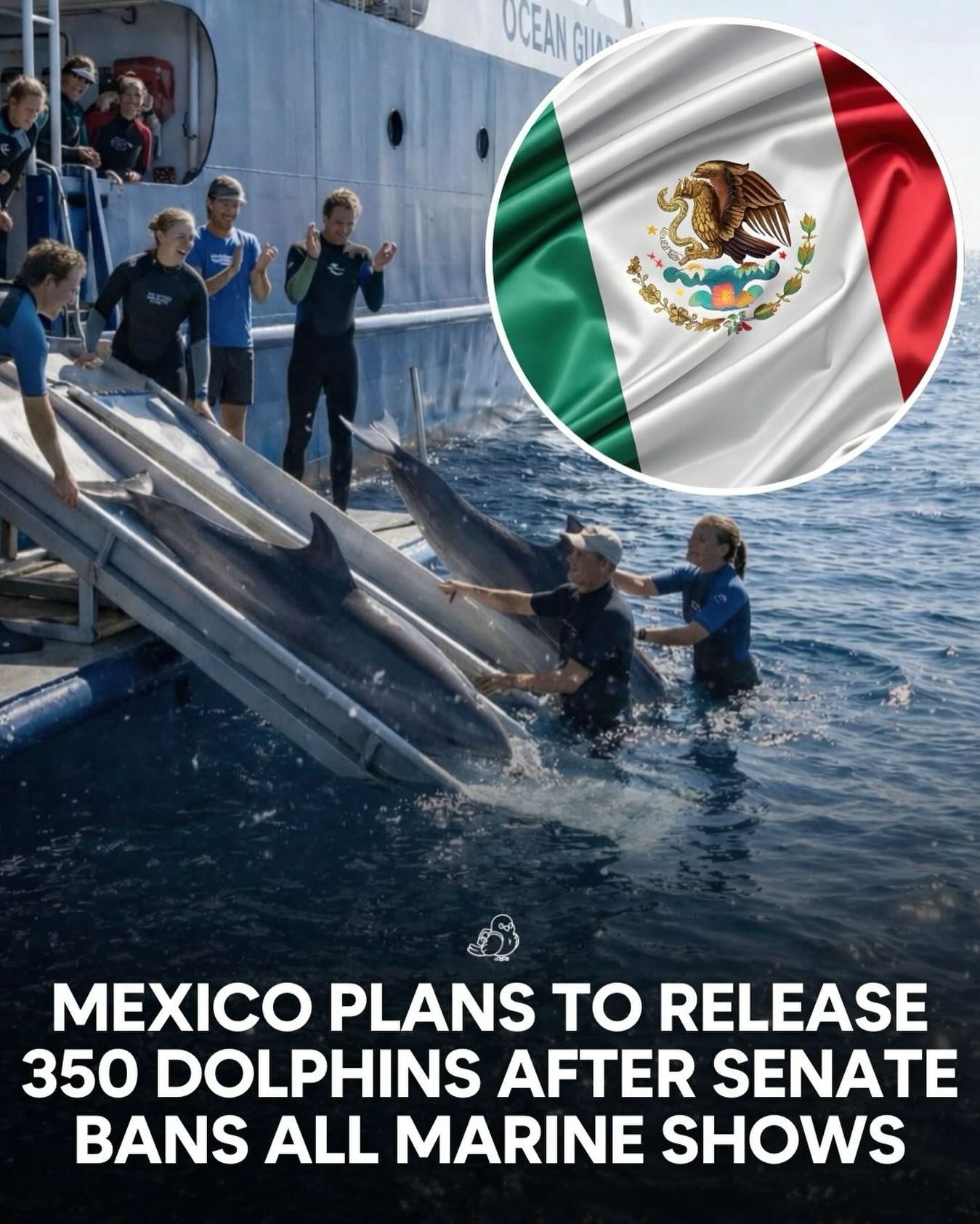
Mexico's Pioneering Move for Animal Welfare: Banning Marine Shows and Releasing Dolphins
Mexico has set a significant precedent for animal welfare globally. The country made a landmark decision, officially banning all marine mammal shows, including dolphin performances. This move signals a critical shift from prioritizing entertainment to focusing on the conservation and ethical treatment of marine life.
The New Law and Its Implications
The Mexican Senate passed a new law that has far-reaching implications for marine animal conservation. By banning all marine mammal shows, the country is taking a bold stance against practices that many argue exploit marine animals for human entertainment. This includes dolphin performances, a practice that has long been a contentious issue in the world of animal welfare.
What This Means for Captive Dolphins
As part of this new legislation, Mexico plans to relocate around 350 captive dolphins to seaside sanctuaries. This is a monumental step towards providing these animals with a more natural and humane living environment. The sanctuaries are designed to mimic their natural habitats as closely as possible, allowing the dolphins to live in conditions that are far more conducive to their well-being.
The Role of Animal Rights Advocates
Animal rights advocates have hailed this move as a landmark moment. They highlight that this shift from entertainment to conservation is a significant victory for ethical treatment of marine life. The relocation of captive dolphins to sanctuaries is seen as a critical step in ensuring that these intelligent and social creatures can live in more natural and enriching environments.
The Path to Conservation
The journey towards this significant change has been a long one, involving extensive efforts from various stakeholders, including government bodies, wildlife protection organizations, and animal welfare advocates. The decision to ban marine mammal shows and relocate dolphins to sanctuaries is the culmination of these efforts, reflecting a growing global awareness and commitment to animal welfare.
Practical Tips for Ethical Travel
For travelers who are passionate about marine life and conservation, Mexico's new law offers an opportunity to engage in more ethical and responsible tourism. Here are some practical tips to ensure your travel aligns with conservation efforts:
Support Ethical Wildlife Tourism
When planning your trip, seek out tourism operators and attractions that prioritize the ethical treatment of wildlife. Look for sanctuaries and conservation centers that provide enriching and natural environments for marine animals.
Get Involved in Conservation Efforts
Many sanctuaries and conservation organizations offer volunteer programs and opportunities to contribute to their efforts. Participating in these programs can provide a rewarding experience while supporting the conservation of marine life.
Respect Wildlife and Their Habitats
Always respect the natural habitats of marine animals. Keep a safe distance and avoid disturbing their environment. By doing so, you help ensure the well-being and sustainability of these ecosystems.
Educate Yourself and Others
Learn about the challenges facing marine animals and how you can support initiatives that promote their welfare. Share this knowledge with fellow travelers and encourage them to adopt ethical practices.
Important Takeaways
Mexico's decision to ban marine mammal shows and relocate dolphins to sanctuaries is a powerful statement about the evolving attitudes towards animal welfare. It underscores the importance of shifting focus towards conservation and ethical treatment, creating a model that other countries may follow.
The Significance of Policy Change
Policy changes like the one in Mexico demonstrate the crucial role that legislation plays in protecting marine life. By enacting laws that prioritize animal welfare, policymakers can create a more ethical and sustainable future for marine animals.
The Role of Ethical Tourism
Travelers have a significant role to play in supporting conservation efforts. By choosing ethical tourism options, participating in conservation initiatives, and respecting wildlife and their habitats, travelers can contribute to the well-being of marine life.
Conclusion
The ban on marine mammal shows and the relocation of dolphins to sanctuaries in Mexico is a monumental step for animal welfare. This initiative highlights the growing global commitment to ethical treatment and conservation of marine life. As travelers, it is essential to support these efforts by adopting responsible and ethical practices. By doing so, we can contribute to a future where marine animals thrive in natural and enriching environments.
Watch the Reel
Questions readers ask
Why did Mexico ban marine mammal shows?
Mexico banned marine mammal shows to prioritize the welfare and conservation of marine animals. The country recognized the importance of ethical treatment of these creatures and stood against exploitative practices for human entertainment and tourism.
How many dolphins are planned for release and where will they go?
Mexico plans to release 350 captive dolphins to seaside sanctuaries. These sanctuaries are designed to provide a more natural and humane environment for the dolphins to live out their lives.
What does the new law mean for existing marine animal facilities?
The new law means that facilities offering marine mammal shows in Mexico will no longer be able to operate these shows. Existing facilities must adapt their operations to comply with the new regulations, which focus on conservation and ethical treatment, rather than on animal shows.
What are the key implications of banning marine shows?
Banning marine shows has significant implications for marine animal welfare, including improved quality of life for the animals and the potential for increased conservation efforts. This move signals a global precedent against the exploitation of marine mammals for human entertainment.
What are the benefits of releasing dolphins to sanctuaries?
Releasing dolphins to sanctuaries allows them to live in environments tailored to their natural behaviors, which can greatly improve their well-being. Sanctuary living allows for socialization, reduced stress, and the opportunity to engage in natural behaviors.
Related deep dives
Similar reads based on topic and creator.

Recent articles
Fresh deep dives from the latest Reels we unpacked.




Comments
Be the first to comment.