Historical Iron Lung User
Introduction
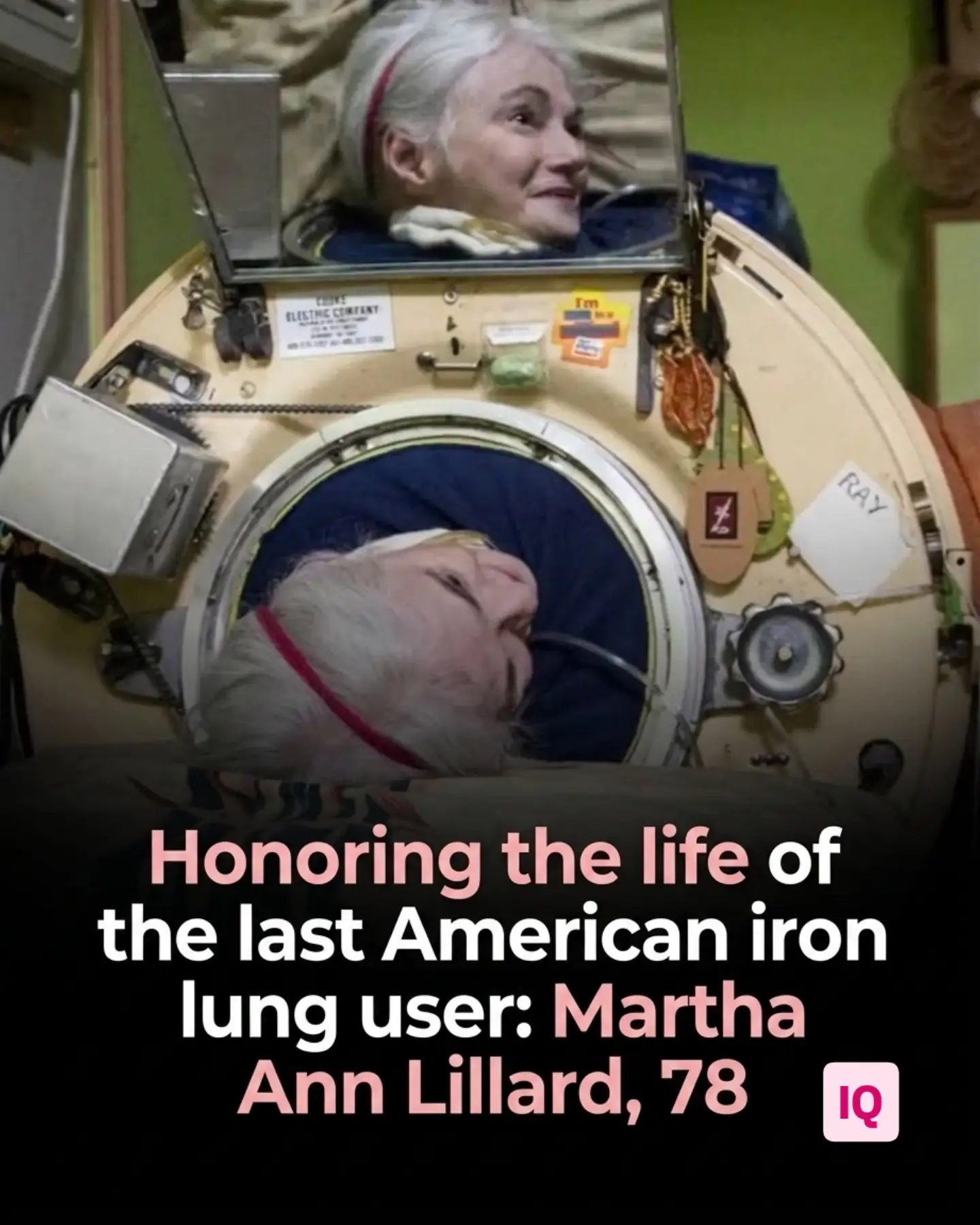
Iron lungs, a relic of medical history, once stood as a lifeline for individuals with severe respiratory impairment, especially those affected by polio. The story of Martha Ann Lillard, one of the last Americans to rely on an iron lung, offers a unique glimpse into the resilience and ingenuity of medical technology and the human spirit.
Context
Martha Ann Lillard's life was marked by profound challenges and extraordinary achievements. Contracting polio in 1953 left her with severe scoliosis, a paralyzed right arm, and significantly reduced lung capacity. The iron lung became a critical component of her daily life, providing the specific negative-pressure support that modern ventilators could not replicate.
Her passing on June 26, 2026, at the age of 78, marks the end of an era in public health, highlighting the legacy of an era when iron lungs were a staple in medical care.
Main discussion
The Iron Lung: A Medical Marvel
The iron lung, a bulky metal cylinder, was once a cornerstone of respiratory care. Invented in the 1920s, it used negative pressure to assist breathing, primarily for patients with polio-induced paralysis. The device encased the patient's body up to the neck, creating a vacuum that expanded the lungs by drawing air in. Martha Ann Lillard’s reliance on an iron lung exemplified the device's unique role in medical history.
Martha Ann Lillard: A Life of Resilience
Martha Ann Lillard's story is one of remarkable adaptation and creativity. Despite her physical limitations, she pursued various artistic endeavors. As an accomplished painter, poet, and musician, she composed music specifically for the left hand on the piano. Her compassion extended to helping others and rescuing abandoned animals. Lillard’s ability to find joy and purpose in her life serves as an inspiration to many.
Challenges in the Later Years
Despite her resilience, Lillard faced significant health challenges in her later years. The onset of post-polio syndrome and the complications from long COVID severely impacted her respiratory health, making her dependent on the iron lung for 24 hours a day. The deterioration of the device, which was decades old, and the scarcity of replacement parts and skilled technicians added to her struggles. Her husband's heroic efforts during a power outage underscore the critical need for reliable medical support and the importance of community care.
Practical tips
Understanding the Evolution of Medical Technology
For those unfamiliar with historical medical devices, understanding the evolution of respiratory care is crucial. The iron lung, while a groundbreaking invention, has been largely supplanted by more advanced and portable ventilators. However, its unique negative pressure mechanism remains a testament to early medical ingenuity. Familiarizing oneself with such devices can provide a deeper appreciation for modern medical advancements.
Advocating for Medical Innovation
Lillard’s experience highlights the need for continued innovation in medical technology. The scarcity of replacement parts and skilled technicians for older devices underscores the importance of maintaining and improving medical infrastructure. Advocating for research and development in this area can ensure that future generations have access to reliable and advanced medical care.
Important Takeaways
The story of Martha Ann Lillard and her reliance on an iron lung underscores several critical points:
- Historical Medical Significance: The iron lung played a critical role in managing respiratory failure, particularly among polio patients.
- Resilience and Creativity: Despite severe physical limitations, Lillard’s life was a testament to the power of resilience and creativity.
- Medical and Technical Challenges: Maintaining and repairing older medical devices presents significant challenges, especially when replacement parts and skilled technicians are scarce.
Conclusion
Martha Ann Lillard's life and her reliance on an iron lung offer a poignant reminder of the advancements in medical technology and the indomitable human spirit. Her story serves as a tribute to the ingenuity of early medical devices and the resilience of individuals who have faced profound challenges. As medical technology continues to evolve, it is essential to honor the legacy of those who have paved the way and to advocate for continued innovation and accessibility in healthcare.
Watch the Reel
Questions readers ask
What was an iron lung and why was it significant in the treatment of polio?
An iron lung was a large, cylindrical metal device that enclosed a person's body up to the neck, creating a negative pressure to help them breathe. It was significant in the treatment of polio as it provided vital respiratory support for patients with severe paralysis or muscle weakness, helping them to breathe and survive the disease.
What was Martha Ann Lillard's connection to the iron lung?
Martha Ann Lillard was one of the last Americans to rely on an iron lung. She lived with this medical device, which provided the specific negative-pressure support she needed 24/7. She was forced to use it after contracting polio at the age of 16. Her life was thus deeply intertwined with the iron lung.
What specific challenges did Martha Ann Lillard face due to her polio diagnosis?
Martha Ann Lillard faced numerous challenges, including severe scoliosis, a paralyzed right arm, and significantly reduced lung capacity as a result of her polio diagnosis. These impairments made her dependent on the iron lung for breathing support, and affected her daily life. Despite these challenges, she managed to live a life of accomplishment and inspiration.
Why could modern ventilators not replicate the support provided by the iron lung for patients like Martha Ann Lillard?
Modern ventilators typically use positive pressure to push air into the lungs, which can be problematic for patients with severe muscle weakness or paralysis, as it can cause damage to the lungs. The iron lung, on the other hand, used negative pressure to draw air into the lungs, providing a gentler and more effective breathing support for Lillard.
How did Martha Ann Lillard's life reflect resilience in the face of severe health challenges?
Martha Ann Lillard's life exemplified resilience as she adapted to and thrived in spite of her severe health challenges, including the use of the iron lung. She lived a meaningful life of creative expression and inspiration for others, despite her physical limitations. Her life serves as a testament to the human spirit and its ability to endure and overcome significant health obstacles.
What can we learn from the legacy of the iron lung and Martha Ann Lillard's story?
The legacy of the iron lung and Martha Ann Lillard's story offers insights into the evolution of medical technology and the human capacity for resilience. It highlights the significant advancements in medical care and the importance of adapting to new technologies. It also underscores the strength of the human spirit in overcoming severe health challenges.
What unique perspective does Martha Ann Lillard's story provide on the history of medical adaptations and human triumph?
Martha Ann Lillard's story provides a unique perspective on the history of medical adaptations and human triumph. It offers a firsthand account of living with a historic medical device and the challenges and triumphs that came with it. Her narrative serves as a reminder of the progress made in medical care and the enduring spirit of those who have faced and overcome significant health obstacles.
Related deep dives
Similar reads based on topic and creator.



Recent articles
Fresh deep dives from the latest Reels we unpacked.




Comments
Be the first to comment.