What is this ancient water?
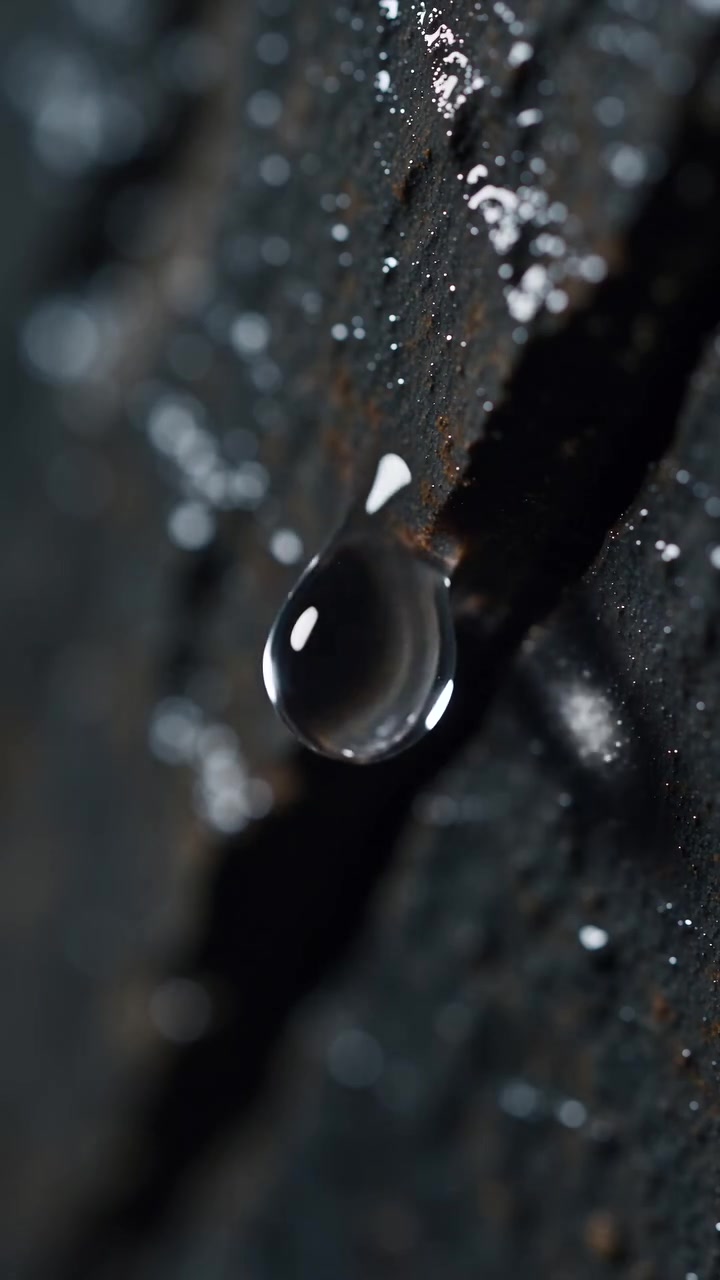
Imagine water so old it slipped through rock fissures when Earth was just a toddler. This is the water from the Kidd Creek Mine in Ontario, Canada — a subterranean basin sealed for a staggering 2 billion years. This is roughly half Earth’s lifetime, drilled and sampled two and a half kilometers below the surface. The curious find came from deep geological exploration in the Kidd Creek mine. When miners drilled for zinc and copper, they accidentally struck a water pocket that nature completely isolated. This is a unique geological “time capsule” and a glimpse into an Earth void of humans, animals as we know them, and even oxygen. The findings provide insight into past atmospheric conditions. The air at the time had almost no oxygen — nothing alive was bigger than a single cell. The water itself is a deep underground soup of hydrogen and methane, teeming with salt. It's so salty that it is eight times saltier than seawater — a bit of a shock to modern-day taste buds, of course. Traces of ancient microbes show that life persisted, even at this point in the Earth’s history. When Barbara Sherwood Lollar of the University of Toronto found this seepage, it was a shock. The water tasted very salty and bitter. The implications are that underground ecosystems might survive despite extreme conditions. The mine is still dripping with this billions-year-old water.
A window to the oldest known water on Earth
Picturing a mine delivering water from a different geological era is an awe-inspiring thought. Imagine a journey through history through water. It’s not just fascinating — it’s a peek into Earth’s early history. This water — with its heavy dosage of dissolved hydrogen and methane and distinct salinity — corroborates how oxygen levels were low to non-existent. This likely means the microbial life that existed in this dark, sealed part of Earth had unique survival strategies. Finding microbes in this water is extraordinary since this sealed rock environment was devoid of sunlight and oxygen. It hints at how life can adapt and thrive in extreme environments. Or as DeepPlanetTV describes it, “the rock closed.” The natural features it holds have implications for the search for extraterrestrial life. If something can survive in an extreme water-based environment with heavy salinity and a lack of oxygen; it might point to similar microbial ecosystems in other parts of the universe.
A droplet of a billion-year-old sea
The water from the Kidd Creek Mine is more than just an odd find. How it is dated is the other half of the story. It is oxygen-free, signaling a time when the air had low oxygen levels. This finding shows that ancient microbes thrived in such environments. The gasses inside this water sample make its age clear, by the presence of hydrogen and methane. This distinctly odorless, colorless gas was key in helping researchers date the water. The microenvironment trapped in Kidd Creek Mine was full of microorganisms, life forms that were stable to the dark, oxygen-free atmosphere. Scientists discovered this water, sampled it, and dated it. The very act of tasting it gives us a connection to deep history. The water’s taste was distinctly salty and bitter. Those few words indicate taste and senses as a clue to history — a direct connection to the oldest life on Earth.
The rock closed on time's capsule
The water hanging from a crack, captured in images on DeepPlanetTV, is a natural time capsule. Water trapped within the rock two million years ago. This shows how water is preserved and its historical importance. The rock that sealed the water in the Kidd Creek Mine contains knowledge of Earth’s past. Microbes could survive underground in the absence of sunlight. The history of a droplet of water in the Kidd Creek Mine holds billions of years of history. The rock containing this water is an historic find. It provided a unique snapshot of the time when Earth had almost no oxygen and most life forms were simply microbes. The saltiness of the water, eight times more than the sea, is a taste of the distant past.
Drilling into the deep science
The rocks here are a natural archive of the Earth’s history. Scientists used them to learn about the Kidd Creek Mine, its old water, and other geological features. The Kidd Creek mine is beyond just a source of metals for civilizations. It's also a source of knowledge about Earth's history. Cracked rocks were a sign of more than just water but a preserved, underground, history lesson. And the experience of visiting the Kidd Creek Mine gives scientists a rare glimpse of Earth’s ancient history. Learning about its history is a marvelous discovery. And the implications for our knowledge of a changing Earth are profound. Want to taste the oldest water on Earth? From dissolved gases to salinity, everything provides insight into Earth's early days. You can't visit the Kidd Creek Mine and sample the water. But you can sample two billion years of history. Surrounding scientific and mining communities can provide information on how deep geological exploration works. They may be a good starting point.
- Visit Ontario: Start your tour by visiting the site of the Kidd Creek Mine in Ontario. The area has historical significance for geological exploration.
- Learn about mining: The Kidd Creek Mine isn’t just a source of minerals. It’s a source of historical knowledge. The mining community around the world can give you insight on this.
- Geology education: Connect with local mining or geological educational institutions. They can give you an understanding of the science, history and implications of this underground water.
- Deep Time Experience: You can also virtually visit the University of Toronto. Their courses have Barbara Sherwood Lollar as faculty, who led the sampling and dating of the water. The Kidd Creek Mine will remain just that: a mine. But it’s also a time capsule of the Earth's history. The fact that scientists can date the water shows how even a small droplet of water can provide information about billions of years of history.
Watch the Reel
Questions readers ask
How did scientists determine the age of the water found in the Kidd Creek Mine?
Scientists used the unique chemical composition of the water to date it. The presence of hydrogen and methane, along with the lack of oxygen, pointed to a time when Earth's atmosphere had very low oxygen levels. This composition allowed them to pinpoint the water's age to around two billion years.
What kind of life forms were present in the ancient water?
The water contained traces of ancient microbes. These microbes were able to survive in an environment that was devoid of sunlight and oxygen, indicating that life can adapt to extreme conditions. This discovery has implications for the search for extraterrestrial life, as it suggests that similar microbial ecosystems might exist in other parts of the universe.
Can this ancient water be used for anything practical?
The water itself is not practical for direct use due to its extreme salinity and lack of oxygen. However, studying it provides valuable insights into Earth's early history and the conditions under which life can thrive. It also offers a model for understanding potential habitats for life on other planets.
What does the extreme salinity of the water tell us about Earth's past?
The extremely high salinity of the water suggests that the environment was very different from what we experience today. It indicates that the water has been isolated for a very long time, allowing for the buildup of salts and other minerals. This also means that the microbes living in this environment had to adapt to these extreme conditions, providing a unique window into early life on Earth.
Why is finding microbes in this water significant?
Finding microbes in this water is significant because it shows that life can persist in environments that are extremely different from what we typically associate with life. This sealed rock environment was devoid of sunlight and oxygen, yet life still thrived. This discovery challenges our understanding of where and how life can exist, both on Earth and potentially elsewhere in the universe.
How does this discovery impact the search for extraterrestrial life?
The discovery of microbes in this ancient, extreme environment suggests that life can adapt to conditions that are vastly different from those on the surface of Earth. This has significant implications for the search for extraterrestrial life, as it indicates that similar microbial ecosystems might exist in other parts of the universe, even in environments that are inhospitable to us.
Is the ancient water still flowing in the mine today?
Yes, the mine is still dripping with this billions-year-old water. This continuous flow provides an ongoing opportunity for scientists to study this unique geological time capsule and gain further insights into Earth's early history and the conditions that support life.
Related deep dives
Similar reads based on topic and creator.




Recent articles
Fresh deep dives from the latest Reels we unpacked.
Comments
Be the first to comment.