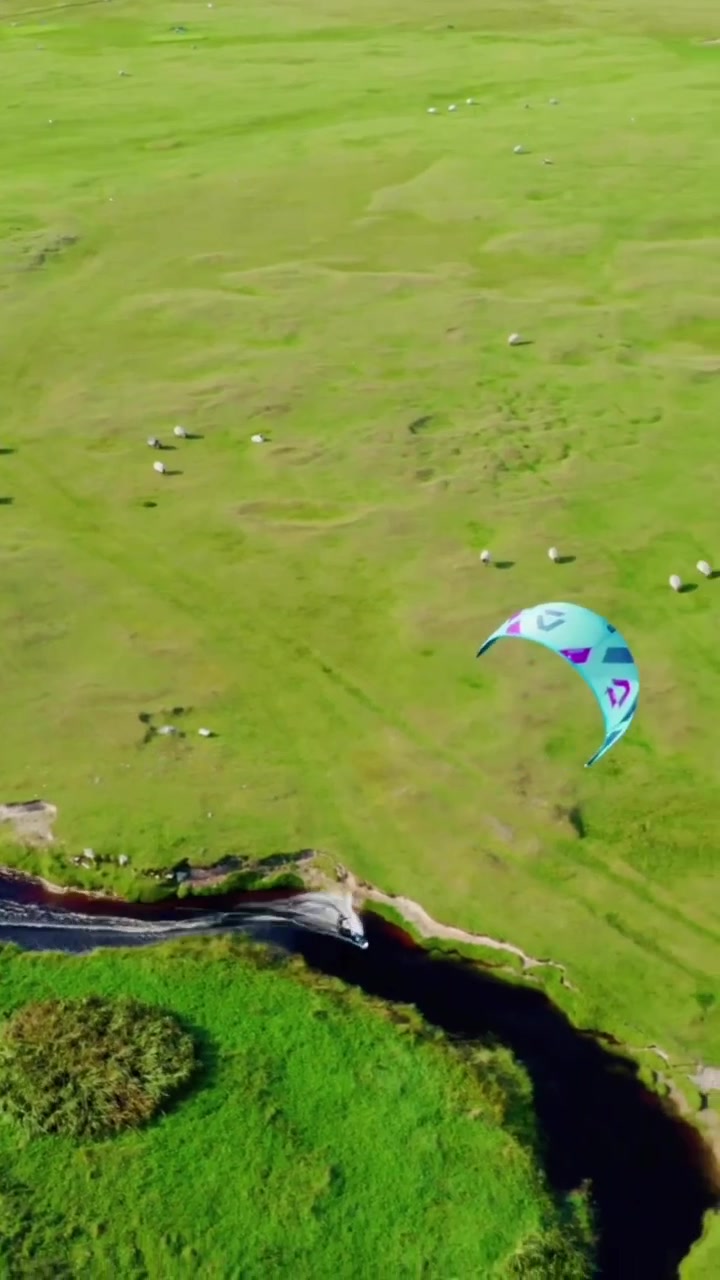
A kite soars above Ireland's rolling green hills, a stark contrast to the wind whipping through the landscape. The kite surfer harnesses the wind and gravity with a unique balance of gravity-defying power and rolling maneuverability.
What is kite surfing?
Kite surfing is a blend of wakeboarding, windsurfing, and paragliding, using a large kite to harness power from the wind. The kite surfer launches a foil kite — the kite pulls, and the surfer moves through the water on a board. Kite surfers rely on traction and balance as they glide through the water, execute aerial tricks, and accelerate. The sport grew out of windsurfing and paragliding in the 1990s and 2000s, as both sports accessed the same wind-driven momentum and as the two sports further adapted equipment designed to lift objects very high. The kite’s power can pull surfers out of the water, thus launching waves.
Why we need to admire aerial adventure
The sport is thrilling and hard to capture even if you're hanging ten in the water. The best moments are the aerial tricks that are as thrilling as they are rare. Kite surfing is an ancient sport that brings the thrill of skiing, windsurfing, and snowboarding. The sport tests a participant’s balance and agility, too. Some kite surfers preach the sport for momentary elevated emotions, aerial views of Ireland, and the grueling cardio workout. Kite surfing is an accessible and affordable sport on the open water. Kite surfers skip the long lines, crowds, and arbitration of requirements like gyms or surfing schools. Some participants even visit Ireland particularly to indulge in this kite surfing.
Ireland’s aerial perspective
The wind makes Ireland — especially the coastal regions — a hotspot for kite surfers. The hills and waters in the Irish coast are some of the most picturesque, and Ireland has thriving surf culture. Ireland’s shared zeal for extreme sports leads to surf competitions and events that foster new enthusiasts.
Regional sport
Ireland’s kite surfing community is vibrant, tightly knit, and resilient. The Irish are natural innovators and relentless cheerful participants. Ireland’s kite surfing community is both passionate and welcoming. Irish surfers and windsurfers are often the first to greet newcomers, and new visitors often experience a friendly camaraderie from the community and the sport itself. The community is always willing to help out in shaping Ireland’s kite surfing culture. The community is always willing to help out in shaping Ireland’s kite surfing culture and to give new surfers a helping hand.
Energy and recreational balance
Ireland’s kite surfing community has evolved the sport. The sport requires significant cardiovascular effort, agility, and balance. The kite surfer must master a few techniques: desired direction of travel, performance, and end maneuvers. The kitesurfer controls the kite by flying the bar and pulling on the kite. With different trims, the surfer can adjust how much power the kite has. Energy and balance interconnect, and a few kite surfers go beyond the basic trim harness.
The physicality of a kite surfer
Kite surfers are strong, and that’s the most visible, noticeable part of the sport. The sport requires a lot of upper-body strength. The sport is a full-body workout — you must keep your feet wide and your knees flexed. These muscles build with time, and the sport demands significant cardiovascular effort. The sport requires a lot of upper-body strength, and a significant push from your legs. The flexibility required to navigate through the water bends and turns, and the aching shoulders from kite surfing show.
Practical how-to
Where to visit for adventure:
- Lough Gara: Ireland's second-largest lake, Lough Gara offers endless water to explore and test your skills.
- Cliffs of Moher: See vast, dramatic cliffs, and wind-scoured rock formations.
- Waterford City: Beautiful beaches and scenic waterways give new participants a variety of terrain. What to bring:
- GPS: GPS helps you map nearby weather patterns and kite surfing conditions.
- Sunblock: It's easy to burn, so sunblock is a must for protecting your skin. Warned dangers: Kites can pull you before you fall, and you may be at risk from falling debris or heavy blades. The kinetic energy from the blades allows you to move at high speeds, and the waves carry unbridled power. Strong swimmers are preferred. Even so, the sport is accessible — beginners who learn quickly can float on water in a few lessons, emerging as confident kite surfers. The passion for Ireland’s kite surfing comes from the adrenaline, the camaraderie, and the sheer beauty of the sport itself.
Watch the Reel
Questions readers ask
What kind of equipment do I need to start kite surfing in Ireland?
To start kite surfing, you'll need a kite, a control bar, a harness, and a board designed for kite surfing. The kite is the most crucial piece of equipment, as it harnesses the wind's power. You'll also need safety gear, including a helmet and a wetsuit, especially in Ireland's often chilly waters.
How does the kite generate power for the surfer?
The kite generates power by harnessing the wind. As the wind blows, it fills the kite, creating lift. The kite surfer controls the kite using a bar, adjusting the angle and power as needed. The kite's pull moves the surfer through the water, allowing them to glide, jump, and perform tricks.
What makes Ireland a great spot for kite surfing?
Ireland's coastal regions offer a unique blend of strong, consistent winds and stunning landscapes. The country's picturesque hills and waters provide a thrilling backdrop for kite surfers. Additionally, Ireland has a vibrant surf culture and a welcoming kite surfing community, making it an ideal destination for both beginners and experienced surfers.
Can I learn kite surfing without any prior experience in water sports?
While prior experience in water sports can be helpful, it's not strictly necessary. Many kite surfing schools in Ireland offer lessons for beginners, teaching them the basics of kite control, safety, and water maneuvers. It's important to take lessons from a certified instructor to ensure a safe and enjoyable learning experience.
What kind of physical fitness do I need to start kite surfing?
Kite surfing requires a good level of cardiovascular fitness, agility, and balance. You should be comfortable swimming and have a basic level of water confidence. Regular exercise, including strength training and cardio, can help prepare your body for the demands of kite surfing.
Are there any specific rules or safety guidelines I should be aware of before I start kite surfing in Ireland?
Yes, safety is paramount in kite surfing. Always follow the International Kiteboarding Organization's safety guidelines, which include wearing a helmet, using a safety leash, and being aware of other water users. Additionally, respect local regulations and always check weather conditions before heading out.
Related deep dives
Similar reads based on topic and creator.




Recent articles
Fresh deep dives from the latest Reels we unpacked.



Comments
Be the first to comment.