Seed Bombing: A Simple Solution for Reforestation
Seed bombing, a technique using seed bombs, is a remarkable initiative to restore forests in Kenya. Seen in action, these small, black balls may look like litter, but they are an integral part of an environmental restoration effort. These seed bombs are more than just an eco-friendly idea— they are a practical solution to severe vegetation loss across the country.
Why This Matters
Kenya has been facing significant challenges with vegetation loss. Traditional reforestation methods are often slow, labor-intensive, and costly. Seed bombing offers a faster, cheaper, and more efficient method to plant trees across vast areas. The technique does not require digging holes or manually transplanting seedlings, making it ideal for remote or hard-to-reach locations.
The Seed Bombing Process
Making Seed Bombs
Creating seed bombs involves a straightforward process. Seeds are first coated with a mixture of powdered charcoal and nutrient-rich clay. This mixture forms a protective shell around the seeds. The charcoal helps to retain moisture, while the clay provides essential nutrients for seed germination. The seeds are then shaped into small balls, ready for dispersal.
Dispersing Seed Bombs
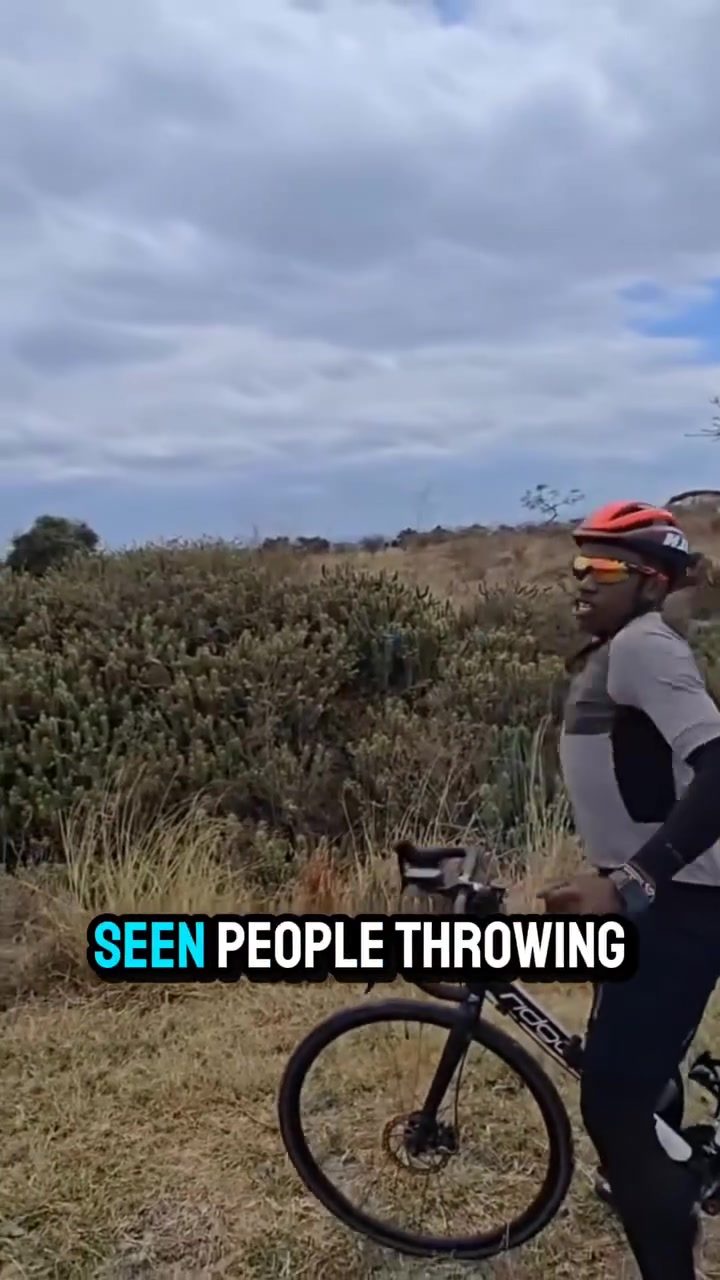
Once the seed bombs are prepared, they are scattered across the landscape. This can be done from roadsides, open land, and even remote areas. The seed bombs are thrown by hand, from bicycles, or even from vehicles. The key is to cover a large area quickly and efficiently. Unlike traditional planting methods, seed bombing can re-vegetate dry or barren areas with minimal effort.
How Seed Bombs Grow
Once the seed bombs hit the ground, the clay shell begins to break down. This allows the seeds to absorb water and take root. The protective shell ensures that the seeds are not washed away or eaten by animals, giving them a better chance to germinate. Over time, the seeds begin to grow, eventually becoming young saplings and, eventually, mature trees.
Practical Tips for Seed Bombing
Choosing the Right Seeds
Select seeds that are native to the area where you plan to disperse the seed bombs. Native seeds are better adapted to local conditions and are more likely to thrive. Avoid invasive species, as they can disrupt the local ecosystem.
Preparing the Seed Mixture
The clay and charcoal mixture is crucial for the success of seed bombs. Use a high-quality, nutrient-rich clay and ensure that the charcoal is finely powdered. The mixture should be moist but not overly wet, as this can affect the encapsulation process.
Timing the Dispersal
The best time to disperse seed bombs is during the rainy season. Rain helps to break down the clay shell and provides the necessary moisture for germination. If the rainy season is unpredictable, consider dispersing the seed bombs just before the anticipated rains.
Important Takeaways
Cost-Effective
Seed bombing is an economical way to plant trees. It requires minimal resources and labor, making it an attractive option for large-scale reforestation projects. The materials used, such as seeds, clay, and charcoal, are relatively inexpensive and readily available.
Efficient
Seed bombing can cover vast areas quickly. Unlike traditional planting methods, which require significant time and effort, seed bombing allows for the dispersal of millions of seeds in a short amount of time. This makes it ideal for restoring large tracts of barren land.
Environmentally Friendly
Seed bombing is a sustainable and eco-friendly solution. The materials used are natural and biodegradable, and the process does not involve the use of heavy machinery or chemicals. This makes it a safe and effective method for restoring degraded landscapes.
Conclusion
Seed bombing is a simple yet effective method for reforestation in Kenya. By using a mixture of seeds, clay, and charcoal, this innovative technique helps to restore forests and re-vegetate dry or barren areas. The process is cost-effective, efficient, and environmentally friendly, making it an ideal solution for large-scale reforestation efforts.
Watch the Reel
Questions readers ask
What exactly are seed bombs and how are they made?
Seed bombs are small, clay-covered balls containing seeds. They are made by mixing clay, compost, and seeds together, then rolling the mixture into balls. The clay acts as a protective coating, allowing the seeds to germinate once the right conditions are met.
How does seed bombing help with forest restoration in Kenya?
Seed bombing helps by enabling quick and efficient planting over large, remote areas. The method is more effective than traditional reforestation for harsh conditions in Kenya. It helps combat vegetation loss by allowing seeds to germinate and grow into saplings with minimal human intervention.
Is seed bombing a cost-effective solution for reforestation?
Yes, seed bombing is a cost-effective solution for reforestation. It requires minimal labor and resources, making it an affordable option for large-scale planting projects. Additionally, the materials needed for seed bombs are often inexpensive and readily available.
Can seed bombing be used in areas where access is difficult?
Seed bombing is particularly well-suited for areas where access is difficult. Because the seed bombs can be thrown or scattered from a distance, they can reach remote or hard-to-access locations, making them ideal for reforestation efforts in rugged or inaccessible terrains.
What types of seeds are typically used in seed bombs?
The types of seeds used in seed bombs can vary depending on the specific reforestation goals and the local environment. Native tree species, grasses, and other vegetation are commonly used to promote biodiversity. The seeds are chosen based on their ability to thrive in the target area's climate and soil conditions.
How long does it take for seed bombs to germinate and grow into saplings?
The germination time for seed bombs can vary depending on factors such as soil moisture, temperature, and sunlight. Generally, it can take anywhere from a few days to several weeks for the seeds to germinate. Once germinated, the saplings will continue to grow at a rate that depends on the specific plant species and environmental conditions.
What are the benefits of using seed bombs over traditional reforestation methods?
Seed bombs offer several benefits over traditional reforestation methods. They are less labor-intensive, require minimal resources, and can cover vast areas quickly. Additionally, seed bombs do not require digging or manual transplanting, making them ideal for remote or difficult-to-access locations. As a result, the seeds can germinate and grow without the need for ongoing maintenance.
Related deep dives
Similar reads based on topic and creator.

Recent articles
Fresh deep dives from the latest Reels we unpacked.




Comments
Be the first to comment.