The Tradition of Spending the Day Above the Water
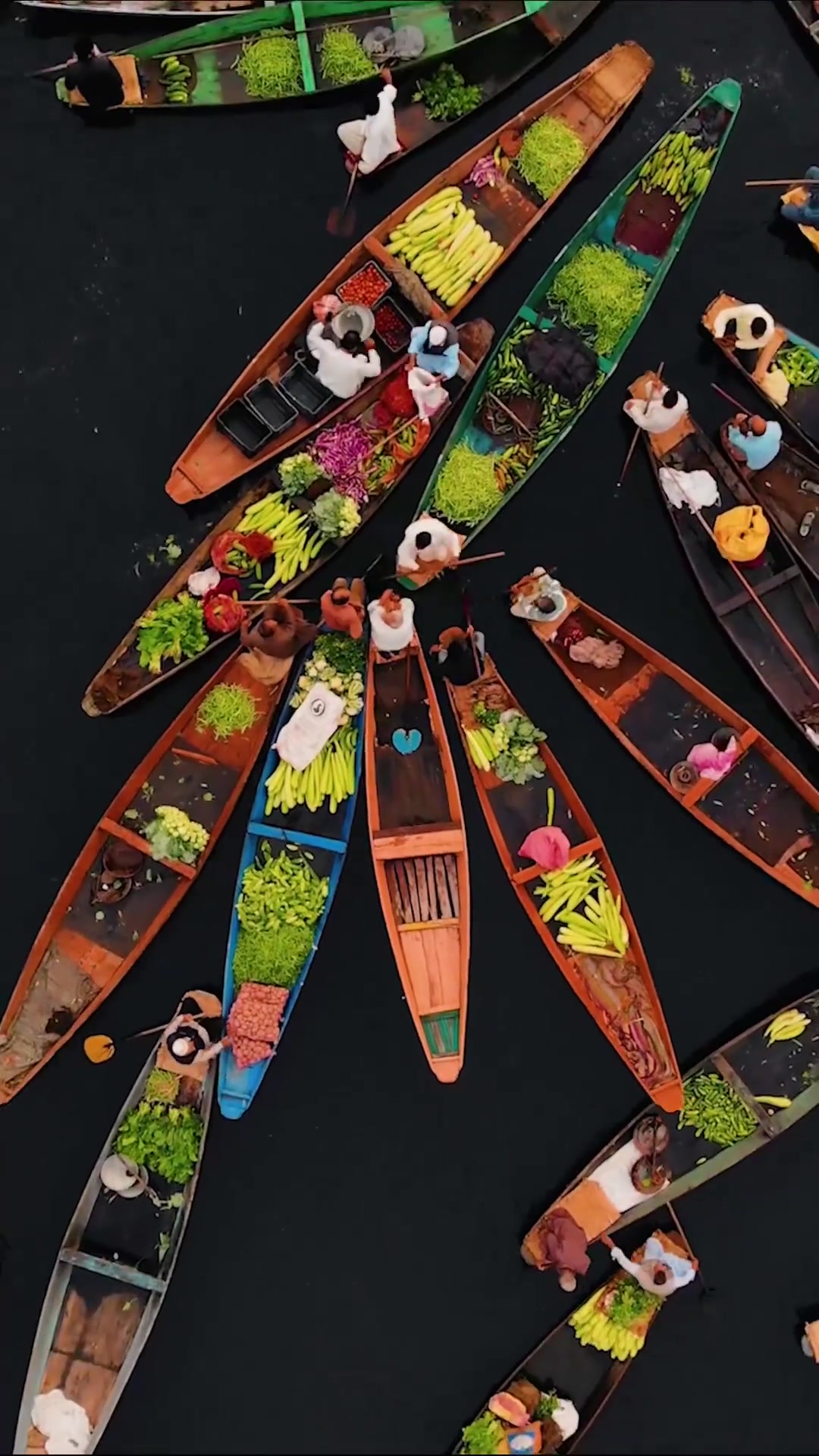
In the heart of Kashmir, a region in the northwestern Indian subcontinent, markets flourish in the most unusual of places: the waters. The shikara, a traditional wooden boat, is the lifeblood of these floating markets, moving through the region's waterways. These markets are a unique scene of commerce in the region. Trader boats long, narrow wooden boats, carry a variety of produce, from carrots and melons to cucumbers, tomatoes, and green leafy hak, a local favorite. The market boasts freshness and an appeal that words cannot describe.
The Allure of the Waterborne Business
Though floating markets are not unique to Kashmir, they have become a staple in the region. The waterborne marketplace culture pervades Kashmir and its neighboring regions. These vibrant markets bring life to the waterways, providing a nourishing lifeline of local produce to the communities. To locals, markets like these enhance the quality of life. From the ground, these markets are bustling locales of business; from above, they are a patchwork of color and a testament to the resourcefulness of locals. It's a vibrant part of life in Kashmir, intricate to the culture and heritage. The sight from above, especially of long wooden boats filled with fresh produce, is an image of traveling shoppers, and vendors fulfilling daily business.
The Shikara at the Heart of the Market
Waterborne Trade for an Intricate Waterway System
The shikara, an essential gear for every Kashmiri tourist, is used for deep aquatic trade. These narrow, laced boats are a crucial part of Kashmir's floating market ecosystem because of the waterway system. They navigate through lakes and rivers with ease, carrying traders and goods. These wood boats carry the locals through the region's charming waterways. The wooden vessels that convey travelers and goods are themselves an integral feature of the region as well as the floating market. Traders adapt boats and utilize them as vehicles to explore the region's waterways. They play a key role in the economic vitality of the region. Because they're particularly suited to the waterways of Kashmir, they can navigate through narrow passages and carry a heavy load. This is a boon for transporting goods and trading. These boats are able to go through the small waterways and deliver the goods to both locals and tourists.
The Visual Appeal of Shikara Lined Up
From the high vantage point, the boats unite to form a scene of boundless charm. This image is not just a visual treat but also a rich piece of information about the way the Kashmiri people conduct daily lives. The floating markets are especially a sight to behold. These are the kinds of images that make a viewer ponder the rich tradition and everyday life of the local community.
Comparing Shikaras with Other Types of Boats
In comparison with other boats, use of shikara is particularly distinct. It is made of wood, so they tend to have a rustic charm and a strong presence in the water markets. It is dubbed an essential gear for every Kashmiri tourist. Shikaras have a narrow shape that makes them nimble and perfect for navigating the small waterways of the region. They offer different services, from sightseeing to transportation of people and goods. The boats are well-suited to the region and its culture.
The Markets in the Region
Kashmir's floating markets are a unique and important part of the local culture. These markets have been operating for generations, and they provide a vital source of income for many families. The markets offer a wide variety of fresh produce, from fruits and vegetables to herbs and spices. They also sell handicrafts and other goods and items made by local artisans and craftspeople. The markets are also a popular tourist attraction, drawing visitors from around the world. These waterway markets of Kashmir are not only a vibrant part of the region's culture but also a vital source of income for many families. Floating markets are a unique and important part of the local culture. They also provide an opportunity for visitors to experience the local culture and support local businesses. The markets also provide a unique and memorable experience for tourists, offering a glimpse into the everyday life of the local community. This water-based market is an integral part of the region's tapestry, and it's part of the Kashmiri culture. It’s a part of the region's heritage. With the market being on the water, traders are able to easily transport goods and supply their community with locally grown and sourced produce.
Make a Splash to the Water
Consider this advice to visitors who might wish to explore the world of floating markets.
- Visit early: To experience the vibrant energy of the floating market, the best time to visit is early in the morning. Vendors first launch their boats early in the morning to take advantage of cooler temperatures. This timing also allows you to beat the crowds.
- Try local produce: It’s about the food. The floating market is a unique opportunity to try the variety of locally grown fruits and vegetables. Locally grown produce are a must-buy and a must try, Kashmiri green leafy vegetable is a local favorite and a must-try feature of the local floating markets.
- Check for Authenticity: Ask for authentic items and details before buying. The marketplace offers the best of fresh produce and handmade products. Make sure the item you are interested in buying is authentic to the region before buying. The locals know the best and are happy to share this knowledge.
- Respect the Environment: The floating market is a delicate ecosystem. Be sure to dispose of trash properly and respect the natural environment of the market.
The Floating Market as a Destination
The floating markets, particularly those in Kashmir, serve as a testament to the adaptive nature of humans and the innate tradition of the region. The floating market is a key component of the Kashmiri culture. From the perspective of the local culture and lively markets, these floating markets reflect the local way of life—resilient, adaptable and enmeshed with the water. For tourists, the floating market is an unforgettable experience, an opportunity to immerse in the most vibrant of activities. Locals and visitors alike find delight in the vibrant scene and ever-present activity. The market is a testament to the Kashmiri way of life, a blend of tradition, resilience and of course, genuine human connection.
Watch the Reel
Questions readers ask
What exactly is a shikara and why is it so important to Kashmir's floating markets?
A shikara is a traditional wooden boat used in Kashmir. It's important because it's perfectly suited to the region's intricate waterway system, allowing traders to navigate narrow passages and carry heavy loads of goods. This makes shikaras essential for the economic vitality of the region and the functioning of the floating markets.
How do these floating markets benefit the local communities in Kashmir?
The floating markets bring a lifeline of fresh, local produce to the communities. They enhance the quality of life by providing easy access to daily necessities. Additionally, they serve as a vital part of the local economy, creating a bustling locale of business and trade.
Are there other floating markets like the ones in Kashmir?
Yes, floating markets exist in other places, but Kashmir's are unique due to their integration into the region's culture and waterway system. The use of shikaras and the specific layout of the markets make them distinct and particularly vibrant.
Can tourists participate in or visit these floating markets?
Absolutely, tourists can and do visit these markets. The shikaras are often used by tourists to explore the waterways, and the markets themselves offer a unique shopping experience with fresh local produce. It's a great way to immerse yourself in the local culture.
What kinds of goods are typically sold in these floating markets?
The markets offer a variety of fresh produce, including carrots, melons, cucumbers, tomatoes, and green leafy vegetables like hak. The produce is known for its freshness, which is a significant draw for both locals and tourists.
How do traders navigate the waterways and sell their goods?
Traders use shikaras to navigate the waterways, which are well-suited for the region's narrow passages. They load their boats with goods and ply their wares directly to customers from the boats, creating a unique and dynamic market environment.
Related deep dives
Similar reads based on topic and creator.




Recent articles
Fresh deep dives from the latest Reels we unpacked.



Comments
Be the first to comment.