Global Food Crisis
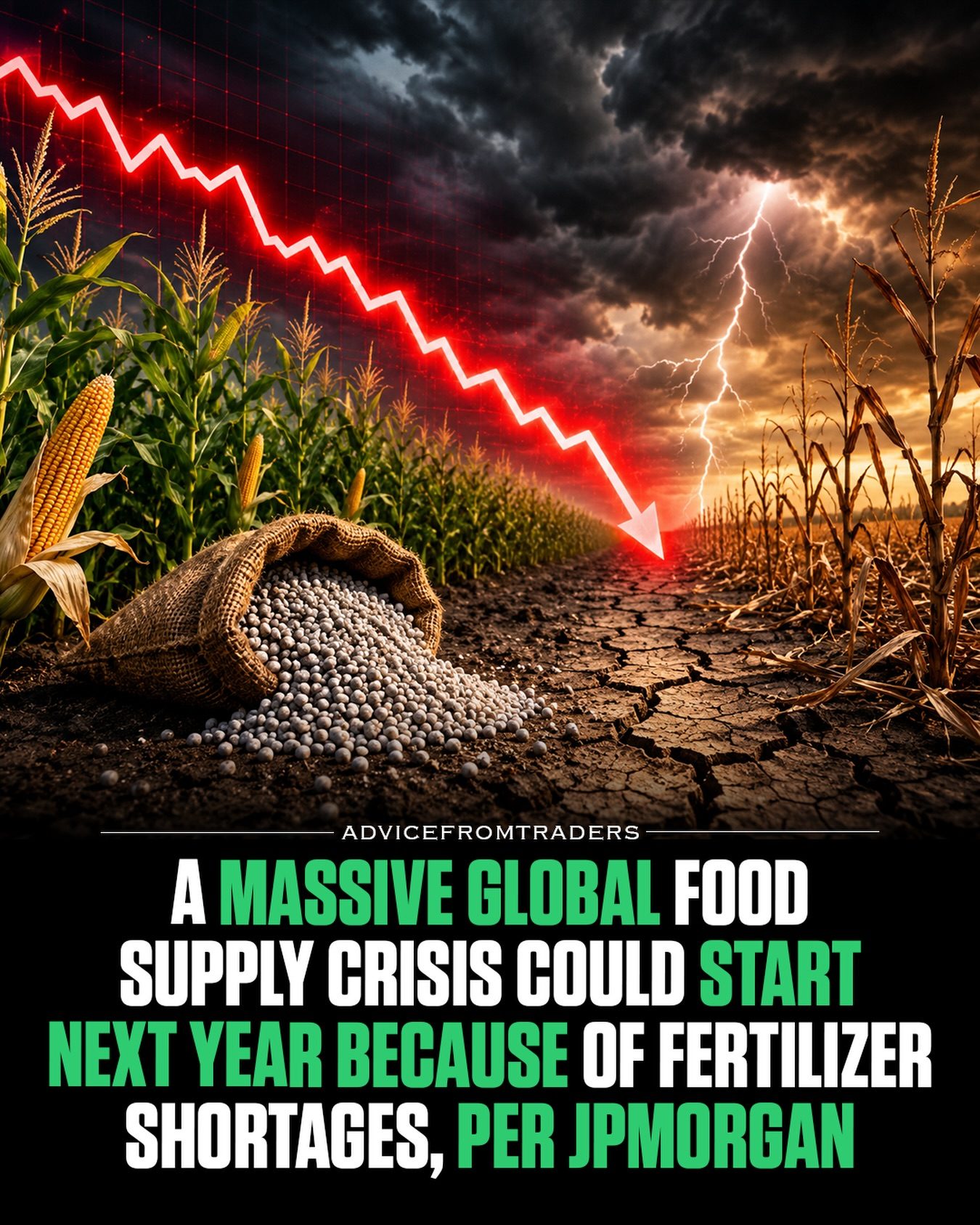
A looming global food supply crisis, projected to begin as early as 2027, is raising alarms due to anticipated fertilizer shortages. The warning comes from JPMorgan, highlighting multiple factors including fertilizer shortages, tensions in the Hormuz region, and the possibility of a super El Niño event, which could exacerbate the situation. Unlike oil, there is no strategic fertilizer reserve in the West, underscoring the urgency of the issue. Food inflation is projected to hit 5% by the first half of 2027, raising concerns about global food security.
Why This Matters
The potential food supply crisis is a critical issue that affects everyone, from farmers and consumers to policymakers and global economies. Understanding the underlying factors and preparing for potential impacts is essential for mitigating the crisis and ensuring food security.
Main Discussion
Fertilizer Shortages and Their Impact
Fertilizer is crucial for modern agriculture, enhancing crop yields and ensuring global food security. However, several factors are contributing to potential shortages:
- Geopolitical Tensions: Conflicts and political instability in key fertilizer-producing regions, such as Russia, Ukraine, and the Middle East, can disrupt supply chains and drive up prices.
- Environmental Regulations: Increased regulations aimed at reducing the environmental impact of fertilizer production and use can limit supply and raise costs.
- Economic Factors: Rising energy and raw material costs can make fertilizer production more expensive, leading to reduced availability.
In the absence of a strategic fertilizer reserve, countries may face severe disruptions in food production if these shortages materialize.
Hormuz Tensions and Their Implications
The Strait of Hormuz is a critical choke point for global trade, particularly for oil and gas. However, tensions in the region can also impact fertilizer shipments. The Hormuz Strait is a key route for transporting fertilizers, and any disruptions could lead to shortages and price increases, further exacerbating the food supply crisis.
The Role of Super El Niño
Super El Niño events are characterized by unusually warm ocean temperatures in the Pacific, leading to extreme weather patterns worldwide. These events can cause droughts, floods, and other weather anomalies that disrupt agricultural production. A super El Niño in 2027 could exacerbate the impact of fertilizer shortages, leading to significant crop failures and food shortages.
Food Inflation and Economic Impact
Food inflation is a direct result of supply shortages and increased production costs. As fertilizer prices rise, farmers face higher input costs, which they pass on to consumers. Increased food prices can lead to economic instability, particularly in low- and middle-income countries where a significant portion of household income is spent on food.
Practical Tips for Individuals and Governments
For Individuals
- Food Storage: Start building an emergency food supply to ensure you have essentials in case of shortages.
- Garden: Consider starting a home garden to grow your own produce.
- Support Local Agriculture: Buy from local farmers and support sustainable farming practices.
- Diversify Diet: Incorporate a variety of foods in your diet to ensure nutritional balance even if certain foods become scarce.
For Governments
- Strategic Reserves: Develop strategic fertilizer reserves to ensure a steady supply in times of crisis.
- Energy and Infrastructure Investments: Invest in renewable energy and infrastructure to make fertilizer production more sustainable and less dependent on volatile global energy markets.
- International Cooperation: Work with other nations to address geopolitical tensions and ensure stable supply chains.
- Climate Preparedness: Develop and implement climate-resilient agricultural practices to mitigate the impact of extreme weather events.
For Farmers
- Alternative Fertilizers: Explore and adopt alternative and sustainable fertilizers that are less dependent on geopolitical factors.
- Crop Rotation and Soil Health: Focus on building soil health through crop rotation and organic practices to reduce reliance on synthetic fertilizers.
- Climate-Smart Agriculture: Implement climate-smart farming practices to adapt to changing weather patterns and reduce the impact of extreme weather events.
Important Takeaways
- The global food supply crisis is a multifaceted issue driven by fertilizer shortages, geopolitical tensions, and potential climate events.
- There is no strategic fertilizer reserve in the West, making the region particularly vulnerable to supply disruptions.
- Both individuals and governments need to take proactive steps to mitigate the impact of the crisis.
- Diversifying food sources, investing in sustainable agriculture, and building strategic reserves are critical steps in ensuring food security.
Conclusion
The prospect of a global food supply crisis is a stark reminder of the interdependencies in the global food system. Fertilizer shortages, geopolitical tensions, and climate events pose significant threats to global food security. By understanding these challenges and taking proactive measures, individuals, governments, and farmers can help mitigate the impact and ensure a more resilient and secure food supply.
Watch the Reel
Questions readers ask
What specific factors are contributing to the predicted 2027 food crisis?
Several factors are contributing to the predicted 2027 food crisis. These include fertilizer shortages, geopolitical tensions in the Hormuz region, potential environmental regulations, and the possibility of a super El Niño weather event, all of which could disrupt food supply chains and impact global food security.
Why is the lack of a strategic fertilizer reserve a concern?
The absence of a strategic fertilizer reserve in the West is concerning because it leaves countries vulnerable to sudden shortages. Unlike oil, there is no substantial backup supply to fall back on. This means that if fertilizer production or distribution is disrupted, it could lead to significant shortfalls in food production.
What is the projected impact of food inflation by the first half of 2027?
JPMorgan predicts that food inflation is expected to reach 5% by the first half of 2027. This increase in food prices could significantly impact consumers' purchasing power, leading to reduced food access and potentially exacerbating global food insecurity.
How do geopolitical tensions in the Hormuz region relate to the food crisis?
The Hormuz region is a critical shipping route for global trade, including the transportation of food and fertilizer. Geopolitical tensions in this area can lead to disruptions in shipping, causing delays and shortages in essential supplies, which could further strain the global food supply chain.
What is a super El Niño event and how might it affect food supply?
A super El Niño event is a severe weather pattern characterized by unusually warm ocean temperatures in the Pacific. This can lead to extreme weather conditions such as droughts and floods, which can devastate crops and agricultural production, exacerbating food shortages globally.
What steps can governments take to mitigate the potential food crisis?
Governments can take several steps to mitigate the potential food crisis, including investing in sustainable agriculture practices, developing strategic reserves for essential supplies like fertilizer, and implementing policies that reduce food waste. Additionally, international cooperation and diplomacy can help alleviate geopolitical tensions that might disrupt food supply chains.
What role do environmental regulations play in the 2027 food crisis?
Environmental regulations can impact the food crisis in several ways. While they are crucial for long-term sustainability, sudden or stringent regulations might disrupt agricultural practices and fertilizer production. Balancing environmental concerns with immediate food security needs will be key in navigating the upcoming challenges.
Related deep dives
Similar reads based on topic and creator.

Recent articles
Fresh deep dives from the latest Reels we unpacked.




Comments
Be the first to comment.