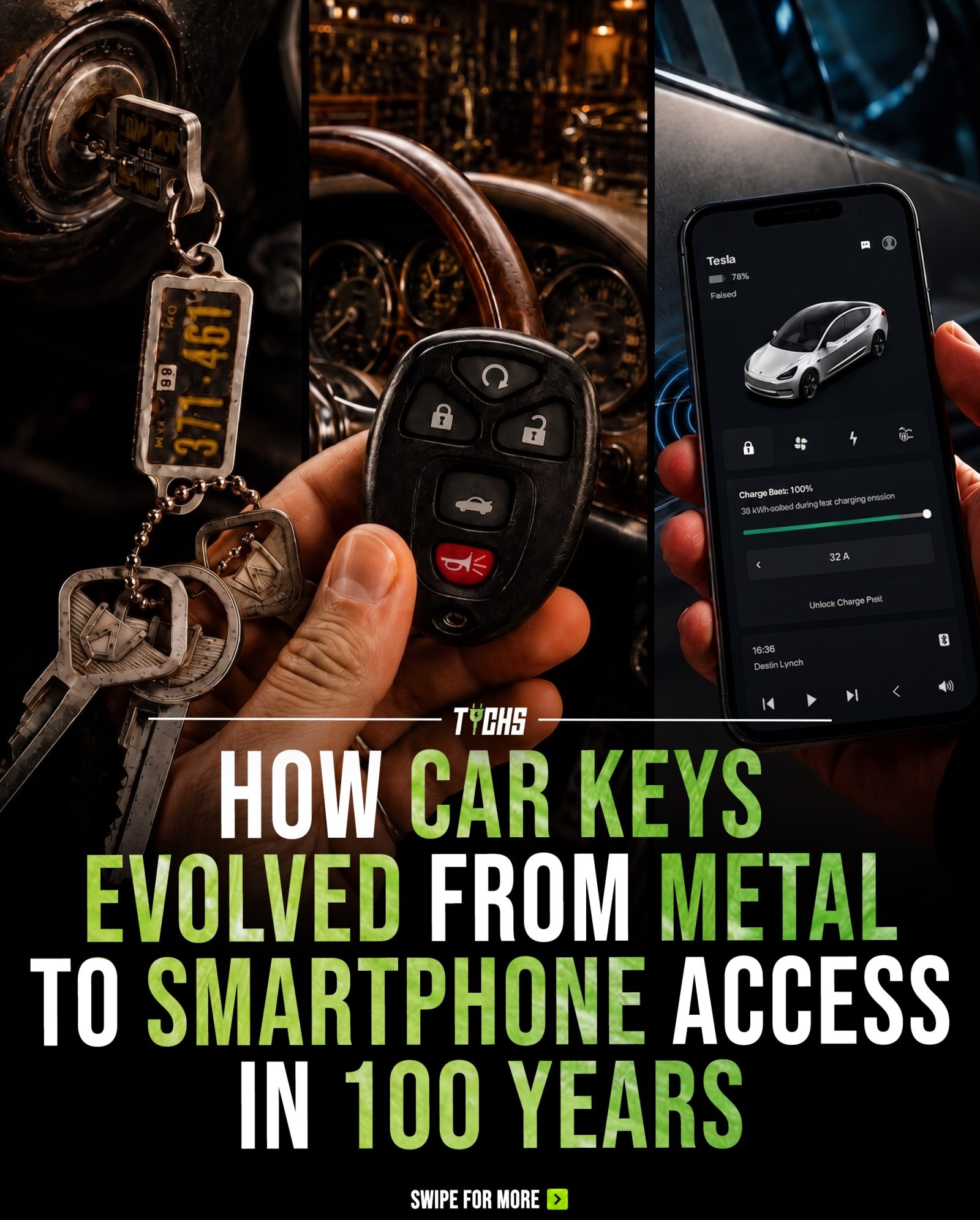
The Evolution of Car Keys
Car keys have come a long way from their humble beginnings as simple metal objects. Over the past century, they've transformed into sophisticated tools that offer more than just vehicle access. This evolution reflects significant advancements in automotive technology and user experience.
Why This Matters
The progress of car keys mirrors the broader technological shifts in the automotive industry. As vehicles become more connected and software-driven, the tools we use to access and operate them have evolved accordingly. Understanding this evolution provides insight into how convenience, connectivity, and digital integration are reshaping the way we interact with our cars.
Main Discussion
The Early Days of Metal Keys
The journey of car keys began with straightforward metal designs. These keys were purely mechanical, requiring direct insertion into the ignition to start the vehicle. The focus was on functionality rather than aesthetics or additional features. However, even in these early days, design improvements were made for better usability. For instance, the 1986 Chevrolet Corvette key showcased a more compact design, making it easier to carry and use on a daily basis.
The Advent of Remote Key Fobs
As technology advanced, car keys began to incorporate electronic features. Remote key fobs emerged, allowing users to unlock and lock their vehicles from a distance. This innovation added a layer of convenience, eliminating the need to insert a key manually. The remote fob marked a significant shift in how drivers interacted with their cars, prioritizing ease of use and security.
The Transition to Smart Cards and Digital Features
The move from remote fobs to smart cards brought even more digital capabilities. One notable example is the 2003 Mercedes-Benz smart card. These cards not only provided access to the vehicle but also integrated digital features such as passive entry and keyless start. The transition to smart cards marked a pivotal point in the evolution of car keys, as they became more than just physical objects— they became digital access tools.
The Rise of Smartphone-Based Access Systems
Fast forward to today, and we see the pinnacle of this evolution with smartphone-based access systems. Companies like Tesla have pioneered the use of smartphones as car keys. With a tap on the smartphone, users can unlock, start, and even monitor their vehicles remotely. This technological leap has transformed the traditional car key into a seamless, digital experience. Tesla's implementation of smartphone access epitomizes how modern car keys have become an extension of our digital lifestyles, offering unparalleled convenience and connectivity.
The Impact on Automotive Industry
The progression from metal keys to smartphone access systems signifies a broader shift in the automotive industry. Manufacturers are now focusing on integrating advanced technologies to enhance the user experience. Features like remote monitoring, digital diagnostics, and over-the-air software updates are becoming standard. This shift underscores the importance of software and connectivity in modern vehicles, aligning with the trend towards smart, connected cars.
Practical Tips
Keeping Up with the Evolution
- Stay Informed: Keep up with the latest advancements in automotive technology to understand how new features can benefit your driving experience.
- Embrace Digital Solutions: If your car supports smartphone access, take advantage of the convenience and additional features it offers.
- Security Measures: Ensure that you have robust security measures in place, especially if you're using digital key systems. This includes strong passwords and two-factor authentication.
Maintenance and Upgrades
- Regular Updates: If your car supports over-the-air software updates, ensure that your vehicle's software is up to date. This can enhance performance and security.
- Backup Options: Always keep a backup key, whether it's a physical one or a secondary digital method, to avoid being locked out of your vehicle.
Important Takeaways
The evolution of car keys highlights several key points:
- Convenience and Connectivity: Modern car keys offer more than just access; they provide a range of digital features that enhance the driving experience.
- Technological Integration: The shift to smartphone-based access systems reflects the growing integration of digital technology in automobiles.
- User Experience: The focus on user experience has driven the evolution of car keys, making them more intuitive and convenient to use.
- Future Trends: As vehicles become more connected, expect to see even more advanced features and digital integrations in the future.
Conclusion
From simple metal keys to sophisticated smartphone access systems, the evolution of car keys has been a journey of technological advancement and user-centric design. This transformation not only enhances our interaction with vehicles but also sets the stage for a future where digital integration and connectivity are at the heart of automotive innovation. As we continue to embrace these changes, it's clear that the future of car keys lies in the digital realm, offering new levels of convenience, security, and connectivity.
Watch the Reel
Questions readers ask
How have car keys changed over time?
Car keys have evolved from simple metal keys to advanced digital tools. Initially, they were basic mechanical devices. Now, they incorporate electronic components and digital features, reflecting the broader automotive technological advancements.
What are the benefits of smartphone car unlocking?
Smartphone car unlocking offers convenience and enhanced security. Users can lock, unlock, and even start their cars remotely through dedicated apps. This feature also reduces the risk of losing or misplacing physical keys, providing a seamless and integrated experience.
What are some key features of digital car keys?
Digital car keys offer multiple features such as remote locking and unlocking, digital key sharing, and integration with mobile wallets. Additionally, they often provide detailed vehicle data and maintenance reminders, enhancing the overall user experience.
How does the evolution of car keys reflect broader automotive changes?
The shift from metal to digital keys mirrors the automotive industry's move towards connectivity and software-driven technology. As vehicles become more integrated with digital systems, the tools used to access them have evolved to match this trend, enhancing convenience and security.
What are some benefits of digital car access technologies?
Digital car access technologies offer enhanced convenience, security, and integration. They allow for remote vehicle management, personalized settings, and seamless interactions with other digital devices, making the overall car ownership experience more efficient and user-friendly.
How does the design of car keys impact user experience?
The design of car keys, from simple metal keys to digital ones, has significantly impacted user experience. Modern designs offer greater convenience and security features, such as keyless entry and remote functionality, which have become integral to the way we interact with our vehicles.
What future trends can we expect in automotive access technology?
Future trends in automotive access technology are likely to focus on even greater integration with digital ecosystems, such as smart home systems and wearable devices. We can also expect advancements in biometric security features, further enhancing the convenience and security of digital car keys.
Related deep dives
Similar reads based on topic and creator.



Recent articles
Fresh deep dives from the latest Reels we unpacked.




Comments
Be the first to comment.