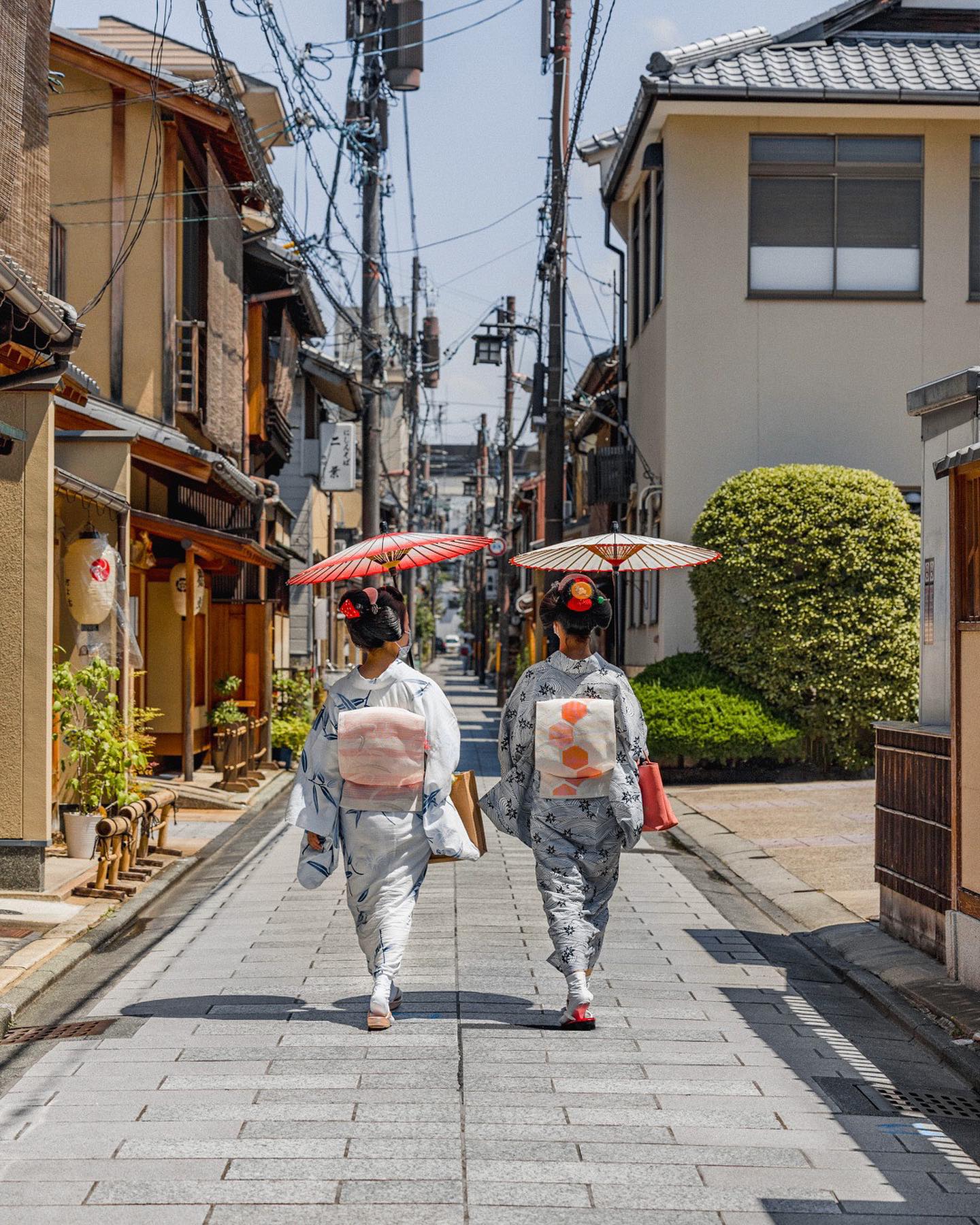
The narrow alleys of Japan are more than just passageways—they are cultural corridors filled with tradition, beauty, and a unique sense of place. One example is the Japanese alleyway, known locally as 集 (shū), lined with traditional wooden buildings and tiled roofs. These alleys act as historic narrow streets, their traditional architecture showcasing the unique urban landscape of Japan. Additionally, the Japanese garden is another defining location characterized by traditional landscaping elements, cherry blossoms, and meticulously raked gravel areas.
A historic glimpse
A Japanese alleyway is narrow, defined by traditional architecture, and often lined with wooden buildings topped with tiled roofs. The alleys often feature doors and signs with Japanese characters. The alleys are steeped in tradition and heritage. Japanese towns traditionally feature narrow streets and intimate alleyways that create a series of interconnected spaces. In these alleyways, the design and function of buildings have evolved over centuries, often reusing space or adding new lines of buildings. The narrowness of the alleyways gives sense of privacy and helps to create a unique urban landscape. The closely-packed buildings in these alleyways allow for a rich and intricate urban landscape. The Japanese garden showcases principles used for centuries in Japan to create beautiful, naturalistic landscapes that evoke a sense of serenity and harmony. Japanese gardens are meticulously designed, with each element carefully chosen. Gravel areas, rocks, and ponds are meticulously raked, while trees and bushes are expertly pruned to enhance the scenic beauty and serenity of the garden environment. Cherry blossoms, in particular, are a prominent feature in Japanese gardens, symbolizing the ephemeral nature of life and the beauty of impermanence.
The allure of timeless recreation
Traditional buildings, alleyways, and gardens all evoke a nostalgic allure Traversing a Japanese alleyway, particularly in historic areas, can be a transportive experience, providing a tangible connection to the past. Further, these alleys and gardens serve as envoys of Japanese culture. The serenity and beauty of the gardens, as well as the architectural wealth of the alleyways, both exemplify Japanese aesthetics. According to several different comments, some people travel thousands of miles to walk through historic streets and gardens. In addition, some travelers even seek to spend their memorial wedding celebrations in the garden. Indeed, Japan's gardens, terraces, and alleys represent a culture of heritage and help visitors gain an appreciation for traditional Japanese aesthetics.
The role of Kyoto and the Hemmingway era
Architecture and tradition in Kyoto
The city of Kyoto, with its abundance of historic sites, is one of the prime destinations for exploring traditional Japanese alleyways. These alleyways in Kyoto often lie within charming, narrow streets. Kyoto's historic districts, including Gion and Higashiyama, are famous for their well-preserved wooden machiya merchant houses, which line the alleys and create a captivating atmosphere.
Post-World War II troves of inspiration
In 1958, Ernest Hemingway’s Nobel Prize acceptance speech brought attention to the allure of the ancient alleyways of Kyoto. In his speech, Hemingway stated that he spent a long time crafting his prose and writing. He noted the unique quietness and serenity of Kyoto’s alleyways, and he expressed a desire to use the city as a setting for his future novels. This moment highlighted the enduring charm Kyoto’s alleyways have had on Western literature, and how Kyoto’s alleyways have become a symbol of enduring artistic inspiration. Kyoto’s alleyways are a treasure trove for anyone seeking to experience a unique, traditional, and inspiring slice of Japan.
The Japanese garden and serenity
The tranquility of a Japanese garden is immediate, even after just a few moments admiring cherry blossoms cascading from above and the rasp of gravel. This tranquility is largely due to the principles of Japanese garden design, which emphasize simplicity, naturalness, and the evocation of natural landscapes. The gardens are composed of meticulously manicured structures, including meticulously raked gravel areas, moss-covered landscaping, and cherry blossoms cascading from above. This sense of serenity is enhanced by the use of natural materials, such as wood, stone, and plants, as well as the deliberate placement of elements to create a sense of balance and harmony. This sense of tranquility is enhanced by the use of natural materials, such as wood, stone, and plants, as well as the deliberate placement of elements to create a sense of balance and harmony.
The landscape of Japanese building exteriors
The exterior of a traditional Japanese building often features distinctive architectural details, such as tiled roofs, intricate carvings, and delicate latticework. The building’s sign, which often displays Japanese characters, adds cultural authenticity. The exterior of a traditional Japanese building often features distinctive architectural details, such as tiled roofs, intricate carvings, and delicate latticework. The building exterior stands out for its warm tonality as well as prominent architectural elements. There are many traditional Japanese buildings, like the one that features a distinctive sign with the words 尚宮亭.
For future explorers
- Find the right guide: Look for a guide or a tour who features traditional streets and buildings.
- When: The best times to visit Kyoto are during the spring, when cherry blossoms are in bloom or during the fall, when the fall foliage is at its peak.
Watch the Reel
Questions readers ask
What exactly is a Japanese alleyway, and how does it differ from regular streets?
A Japanese alleyway, or **shū**, is a narrow passage lined with traditional wooden buildings and tiled roofs. Unlike regular streets, these alleys are steeped in history and tradition, often featuring doors and signs with Japanese characters. They create a sense of privacy and contribute to a unique urban landscape with their interconnected spaces and closely-packed buildings.
How do Japanese gardens differ from other types of gardens, and what makes them so special?
Japanese gardens are meticulously designed to evoke serenity and harmony, using elements like gravel, rocks, ponds, and cherry blossoms. They follow principles that have been used for centuries to create naturalistic landscapes. The careful placement of each element and the symbolism of cherry blossoms make them particularly special, representing the impermanence of life.
Why do these alleyways and gardens hold such a strong appeal for visitors?
The allure of Japanese alleyways and gardens lies in their ability to transport visitors to another time. These spaces offer a tangible connection to Japan's past and embody the country's unique aesthetics. Many travelers go out of their way to experience these historic streets and gardens, often seeking them out for special occasions like weddings.
What makes Kyoto a prime destination for experiencing traditional Japanese alleyways?
Kyoto is renowned for its historic sites and well-preserved traditional architecture. The city's districts, such as Gion and Higashiyama, are famous for their narrow streets lined with wooden machiya merchant houses. These alleys create a captivating atmosphere that showcases Japan's rich cultural heritage.
Are there other cities in Japan besides Kyoto that offer similar experiences?
While Kyoto is one of the most famous destinations for traditional alleyways, other cities like Kanazawa and Takayama also offer similar experiences. These cities have historic districts with well-preserved wooden buildings and narrow alleys that provide a glimpse into Japan's past.
Can I visit these alleyways and gardens year-round, or are there specific times when they are more enjoyable?
While you can visit these alleyways and gardens year-round, certain times of the year enhance the experience. For instance, cherry blossom season ( typically March to April) is particularly beautiful in Japanese gardens. Additionally, the autumn foliage season (usually October to November) adds a vibrant touch to the alleyways and gardens.
Is it possible to stay in traditional buildings within these alleyways?
Yes, in some areas, particularly in historic districts like Kyoto's Gion, you can find accommodations in traditional machiya merchant houses. Staying in these buildings offers a unique and immersive experience, allowing you to live amidst the traditional architecture and culture.
Related deep dives
Similar reads based on topic and creator.




Recent articles
Fresh deep dives from the latest Reels we unpacked.




Comments
Be the first to comment.