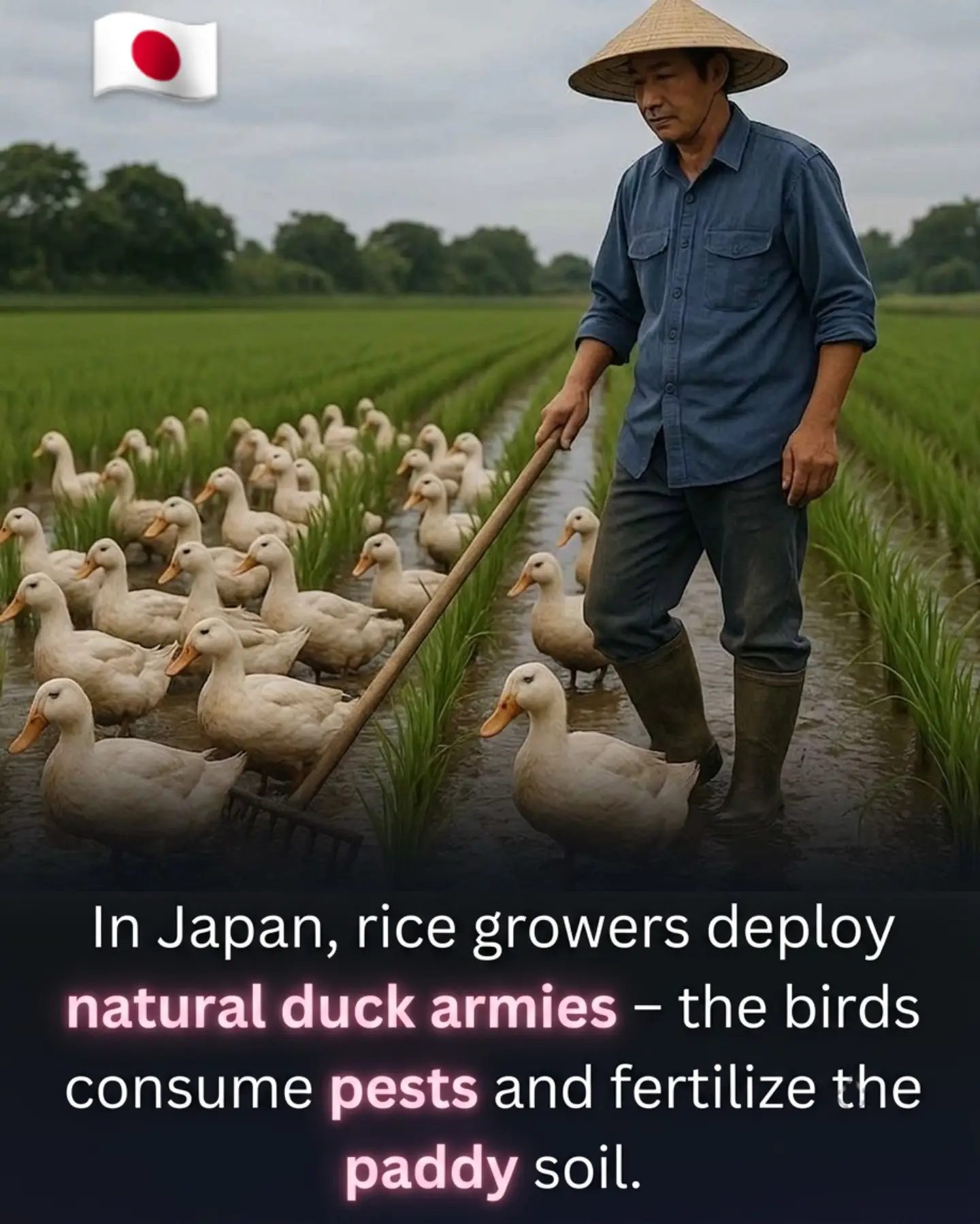
Duck Farming Techniques: A Natural Approach to Sustainable Rice Cultivation
In Japan, rice farmers use a unique and eco-friendly method to grow high-quality rice: Aigamo farming. This technique involves deploying ducks into rice paddies to control pests and enrich the soil naturally. The ducks, known as "Aigamo," are a crossbreed of wild and domestic ducks, and they play a crucial role in maintaining the health of the rice crops. This method eliminates the need for chemical pesticides and synthetic fertilizers, making it a zero-chemical, 100% natural system.
Context / Why This Matters
Aigamo farming is more than just a novel technique; it represents a significant shift towards sustainable and eco-friendly agricultural practices. With increasing awareness of environmental issues, farmers worldwide are looking for ways to reduce their reliance on chemicals. This method showcases a practical, sustainable approach that not only benefits the environment but also yields high-quality, organic rice.
Main Discussion
The Role of Ducks in Pest Control
One of the primary benefits of Aigamo farming is natural pest control. Ducks are voracious eaters of insects, snails, and weed seeds, which are common pests in rice paddies. By allowing ducks to forage in the fields, farmers can significantly reduce the need for chemical pesticides. The ducks' appetite for these pests ensures that the rice crops remain healthy and free from damage, promoting natural growth and higher yields.
Soil Enrichment and Fertilization
In addition to pest control, ducks play a critical role in soil fertilization. As they paddle around the rice paddies, their droppings continuously enrich the soil with vital nutrients. This natural fertilizer is a sustainable alternative to synthetic fertilizers, which can have harmful environmental impacts. The constant supply of nutrients from the ducks' droppings ensures that the rice plants have everything they need to thrive, resulting in stronger, healthier crops.
Oxygenation and Root Growth
The constant movement of ducks in the water also has a positive impact on the paddy water. Their swimming keeps the water moving, which helps to oxygenate the paddy water. This increased oxygen supply encourages stronger root growth in the rice plants, making them more resilient and better able to absorb nutrients from the soil. The healthier the roots, the better the rice plants can withstand environmental stresses and produce a higher yield.
The Aigamo Ducks
The ducks used in this farming method are specifically bred for their ability to thrive in rice paddies. Aigamo ducks are a crossbreed of wild and domestic ducks, carefully selected for their foraging behavior and hardiness. These ducks are well-suited to the aquatic environment of rice paddies and are less likely to cause damage to the crops compared to other duck breeds. Their natural instincts to forage for food make them an ideal solution for natural pest control, ensuring a healthy and sustainable farming practice.
Practical Tips
Integrating Ducks into Rice Farming
If you're interested in adopting this sustainable farming method, here are some practical tips to get started:
- Choosing the Right Ducks: Select Aigamo ducks or a similar crossbreed known for their foraging behavior and ability to thrive in rice paddies.
- Preparing the Paddy Field: Ensure the rice paddies are well-prepared with ample water and a suitable environment for the ducks to forage.
- Guiding the Ducks: Use a long tool to guide the ducks through the field, ensuring they cover all areas and consume pests effectively.
- Monitoring and Care: Regularly monitor the ducks and the rice crops to ensure both are thriving. Provide necessary care and protection for the ducks to maintain their health and productivity.
Maintaining a Balanced Ecosystem
Aigamo farming relies on maintaining a balanced ecosystem where ducks, rice crops, and the environment coexist harmoniously. Regular monitoring of the water quality, soil health, and duck behavior is essential. This ensures that the ducks continue to provide natural pest control and soil fertilization while the rice plants grow healthily.
Important Takeaways
- Natural Pest Control: Ducks are effective in controlling pests like insects, snails, and weeds, reducing the need for chemical pesticides.
- Soil Enrichment: Duck droppings serve as a natural fertilizer, enriching the soil with vital nutrients.
- Oxygenation: The constant movement of ducks in the water oxygenates the paddy water, promoting stronger root growth in rice plants.
- Sustainable Farming: Aigamo farming is a zero-chemical, 100% natural system that benefits both the environment and the farmers.
Conclusion
Aigamo farming in Japan is a testament to the power of natural, sustainable practices in agriculture. By deploying ducks into rice paddies, farmers are able to control pests, enrich the soil, and promote healthier root growth, all while reducing their reliance on chemical pesticides and synthetic fertilizers. This method not only yields high-quality, organic rice but also contributes to a healthier environment. As sustainability becomes a global priority, Aigamo farming offers a practical and effective solution for rice growers around the world.
Watch the Reel
Questions readers ask
What are Aigamo ducks and how do they contribute to rice farming?
Aigamo ducks are a crossbreed of wild and domestic ducks used in Japanese rice farming. They contribute to rice farming by providing natural pest control, as they feed on insects and weeds in the rice paddies. Additionally, their waste fertilizes the soil, enriching it with nutrients and promoting healthier rice growth. This reduces the reliance on synthetic fertilizers and chemical pesticides.
How does Aigamo farming promote sustainable agriculture in Japan?
Aigamo farming promotes sustainable agriculture by integrating natural pest control and soil enrichment methods. The ducks' presence in rice paddies eliminates the need for harmful chemicals, making the process 100% natural. This technique not only reduces environmental impact but also supports long-term soil health and biodiversity, making it a model for eco-friendly rice cultivation.
What are the benefits of using Aigamo ducks in rice paddies for pest control?
Using Aigamo ducks in rice paddies provides several benefits for pest control. The ducks' diet consists of insects and weeds, which helps to control pests and reduce the need for chemical pesticides. Additionally, the ducks' movement in the paddies helps to aerate the soil and prevent the buildup of pests by disturbing their habitats. This results in a healthier, more balanced ecosystem within the rice paddies.
What is the process of soil enrichment through Aigamo farming?
Soil enrichment in Aigamo farming occurs through the ducks' natural waste, which is rich in nutrients. As the ducks forage and move through the rice paddies, they deposit their waste, which acts as a natural fertilizer. This waste enriches the soil with essential nutrients, promoting the growth of healthier rice plants. Over time, this process enhances the soil's fertility and structure, leading to more sustainable and productive rice cultivation.
How does Aigamo farming align with chemical-free farming practices?
Aigamo farming aligns with chemical-free farming practices by utilizing natural pest control and soil enrichment methods. The ducks' presence in the paddies eliminates the need for synthetic fertilizers and chemical pesticides. Instead, the ducks provide a natural and effective way to manage pests and enrich the soil, resulting in a zero-chemical, 100% natural farming system. This approach not only benefits the environment but also produces healthier, more sustainably grown rice.
Related deep dives
Similar reads based on topic and creator.

Recent articles
Fresh deep dives from the latest Reels we unpacked.




Comments
Be the first to comment.