Italy Architecture Like No Other
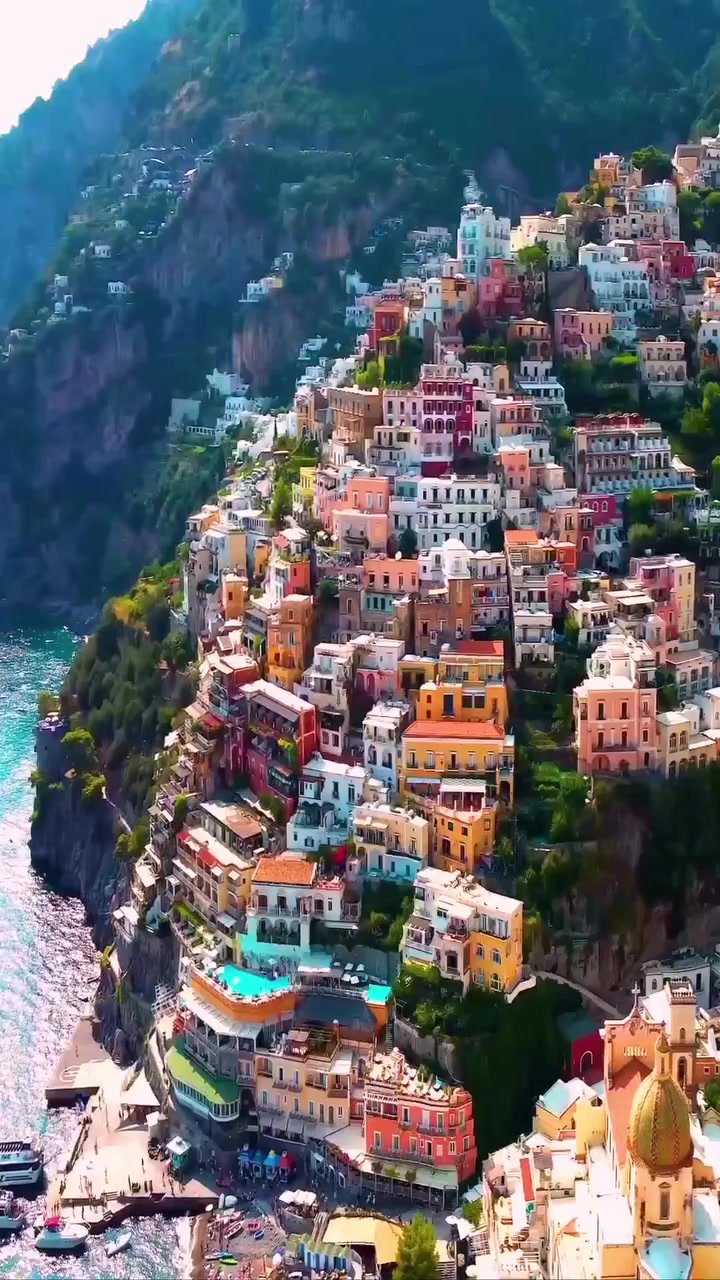
Italy's coastal architecture embodies more than just its practical functionality. The vibrant, multi-colored buildings and details, as seen in a video showcasing this distinctive style, are an integral part of the charm of Italy. The building in the video, for example, boldly displays a striking color palette of pink, blue, and turquoise. The presence of decorative elements and flower boxes accentuates the artistic and decorative elements that are characteristic of Italian coastal architecture. This style is a result of both Italian coastal towns' unique heritage and the landscape itself. The homes' design and color help them to blend into the visual clutter of the coastal towns, while the decorations also allow the buildings to stand out as individual structures. For example, the houses' structural design is impacted by factors such as the Mediterranean climate and available building materials. The result is a unique aesthetic that creates a warm, inviting atmosphere.
The Charm of Coastal Italian Architecture
Italy's architectural style is closely tied to the country's rich history and cultural identity. Italian coastal towns have historically relied on fishing and seafaring, and their architecture reflects this lifestyle. Houses are built close together along narrow streets, with amenities such as indoor gardens and courtyards. The result is a network of interconnected buildings that reinforce the sense of community while resisting the strong winds and harsh weather conditions. The buildings that dot Italian coasts act as visual markers as well as important links for the people who inhabit them, creating a physical representation of the city's rich history and heritage. The coastal Italian architecture style is linked with the regional culture. For instance, the ''confusione'' can be seen in the houses' decoration. The buildings' close proximity and lack of a clear front and back make the towns' street layout feel like a maze, which can be an ideal setting for a story or a film. Additionally, the intricate decorative details, such as flower boxes and hanging plants, offer a glimpse into the local culture and serve as a way to enhance both the visual appeal and the functionality of the buildings.
Colors and Patterns
The Art of Layering Colors
The characteristic color palette of Italian coastal architecture is more than just a visual treat. The bold layers of paint, with colors such as pink, blue, and turquoise, serve as an intentional method of protection for the buildings. The colors are a key part of the design; they help to absorb heat in the summer and reflect it in the winter. The colors employed in Italian coastal architecture form a vivid contrast with the environment, allowing the buildings to stand out against the gray sky and sea.
Decorative Details
The decorative elements in Italian coastal architecture are not mere embellishments. Each element, from flower boxes to intricate carvings, has a purpose. Many of these decorative elements have evolved to serve a practical purpose, such as providing insulation or water protection. For example, the intricate carvings and reliefs on the buildings' walls and facades create a network of tiny voids, which allows for air circulation. This design also helps to stabilize the building, making it more resistant to earthquakes. Even the windows, painted shutters and shutters are integral to the buildings' protection, helping to keep the interiors cool and dark.
Dramatic Landscapes
Buildings and the Natural World
Italian coastal architecture often showcases a dramatic integration of human structures with the natural world. Clifftop villages built into rock faces, for example, showcase the unique relationship between the living and physical worlds. Red roofs rise from a cliffside village, blending with the natural landscape. The buildings and church with a red roof, the focal point of the village, while the homes cascading down the cliff face serve as a visual link between the sea and the sky.
Symmetry and Balance
The Italian coastal architecture showcases a remarkable balance between symmetry and natural integration. Each building in the video showcasing Italy's architecture appears artfully integrated with the landscape, which is a testament to the builders' skill. Step-by-step symmetry is used to create a sense of order and satisfaction, with the wavy road and the surrounding hills being balanced by the buildings' design. The dramatic landscape sets the stage for the human-made structures, with notable houses balancing the natural contours of the land, creating a sense of harmony.
Navigating Coastal Italian Roads
An aerial view of a coastal town showcases its vibrant energy. Red-tiled roofs and winding roads, coastal architecture, offer a unique sense of community. The coastal Italian architecture wows with its aesthetic appeal, but there are other practical aspects to consider. Getting around the city, for example, is not as straightforward as it may seem. The narrow streets can be a maze, making navigation more challenging and creating unexpected moments of discovery. Driving through the winding roads, you can experience the beauty of the surrounding landscape, including the distant coastline and the sea itself. As you travel through the narrow streets, you may encounter a traffic jam or some congestion, especially if you travel during peak season when tourists are visiting. There are some intriguing sights and natural wonders to explore as you navigate these scenic coastal roads.
The Coastal Road
Navigating the winding, steep coastal roads can be challenging. For example, you may encounter sharp curves, narrow roads and a lack of guardrails. It's important to stay focused and alert as you navigate the roads, especially if you are unfamiliar with the area. An experienced driver, or someone familiar with the roads, might be helpful. It's necessary to be cautious and keep an eye on the road's position, especially if you are unfamiliar with the area.
The Cliffside Village
Exploring the narrow alleys and staircases of a cliffside village offers rewards beyond its stunning views. Allow more time to explore, both the alleys and the cliffs, and wear comfortable shoes to explore the streets and staircases. Many villages do not have wheelchair accessibility, so if a village is not in your group limit your travel, take note of the challenges, and do not exceed your abilities. Always be aware of the weather conditions and the potential risks, such as heavy rain or strong winds, which can make the terrain more challenging.
Italy's coastal architecture is both a destination and a journey.
The roads that you take to get there, narrow and winding as they may be, are part of the experience.
Watch the Reel
Questions readers ask
What makes Italian coastal architecture so unique compared to other Mediterranean styles?
Italian coastal architecture stands out due to its vibrant color palette and intricate decorative details. Unlike other Mediterranean styles, the buildings in Italy’s coastal towns often feature bold colors like pink, blue, and turquoise, which serve both aesthetic and practical purposes, such as absorbing and reflecting heat. Additionally, the close proximity of the houses and their interconnected layout create a unique sense of community and resilience against harsh weather conditions.
How do the colors used in Italian coastal architecture help with the climate?
The colors used in Italian coastal architecture, such as pink, blue, and turquoise, are chosen for their thermal properties. These colors help in absorbing heat during the summer and reflecting it during the winter, making the interiors more comfortable year-round. This intentional use of color is a testament to how the architecture is deeply integrated with the local climate and environment.
Why are the houses in Italian coastal towns built so close together?
The close proximity of houses in Italian coastal towns serves multiple purposes. It creates a strong sense of community and helps to protect against strong winds and harsh weather conditions. The interconnected layout also provides a visual and physical representation of the town's rich history and heritage, making these architectural styles iconic.
What is the significance of the decorative elements in Italian coastal architecture?
Decorative elements in Italian coastal architecture, such as flower boxes, intricate carvings, and hanging plants, are not just for aesthetics. They often serve practical purposes, like providing insulation or protecting the buildings from water damage. These elements also reflect the local culture and add to the overall charm and functionality of the buildings.
How does the design of Italian coastal homes reflect the residents' lifestyle?
The design of Italian coastal homes, with their narrow streets and interconnected layout, reflects the traditional fishing and seafaring lifestyle of the residents. The close-knit arrangement of the houses and the presence of amenities like indoor gardens and courtyards create a strong sense of community. This design also helps in resisting the strong winds and harsh weather conditions typical of the Mediterranean climate.
What does the term 'confusione' refer to in the context of Italian coastal architecture?
'Confusione' in Italian coastal architecture refers to the seemingly chaotic layout of the towns, where houses are built close together with a lack of clear front and back, creating a maze-like street layout. This layout is not just a visual feature; it also serves to reinforce the sense of community and adds to the towns' unique charm and character.
Can you visit the specific buildings featured in the video?
The video showcases a general style of Italian coastal architecture, so it may not feature specific buildings that can be visited. However, you can experience this unique style firsthand by visiting towns like Cinque Terre or Positano, where the vibrant colors and intricate designs are prevalent. These locations offer a rich cultural experience and a chance to see the architecture up close.
Related deep dives
Similar reads based on topic and creator.


Recent articles
Fresh deep dives from the latest Reels we unpacked.




Comments
Be the first to comment.