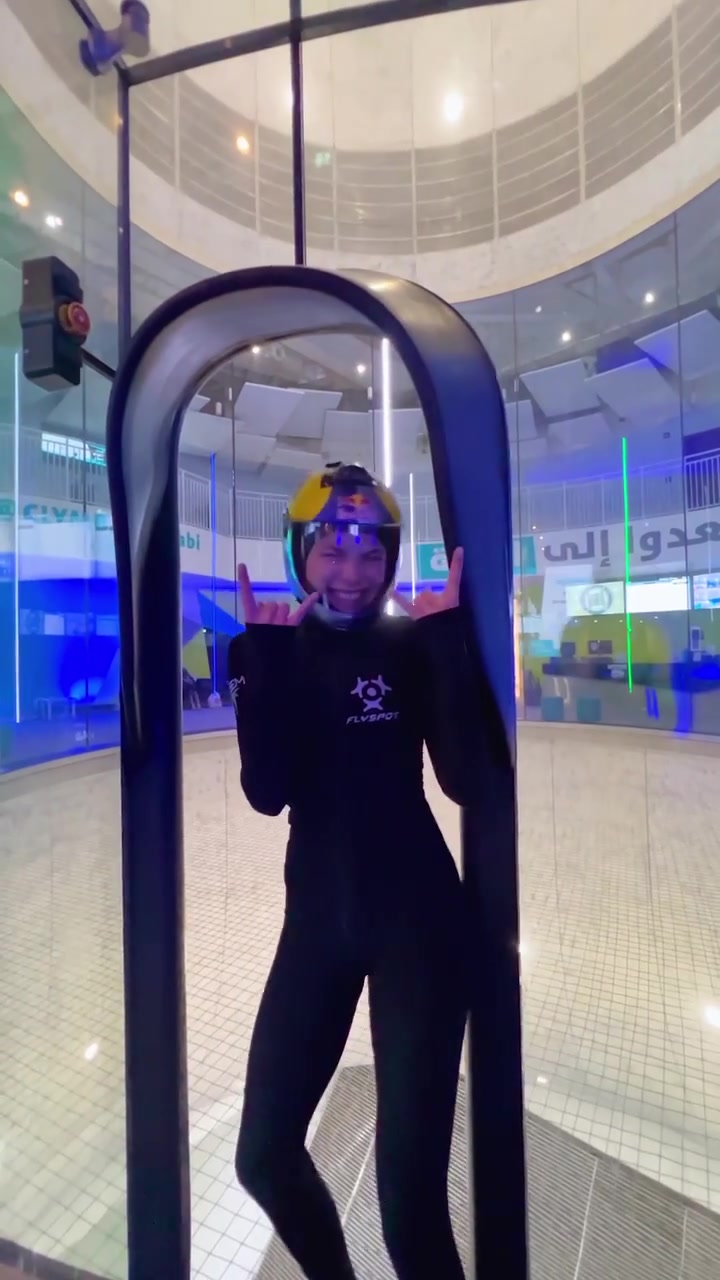
The sight of a person in a black jumpsuit and yellow helmet soaring through the air isn't the middle of a movie or stage stunt, but an indoor skydiving experience at a facility called CLYMB. Indoor skydiving lets people experience the thrill of freefalling without an airplane or a parachute. Unlike traditional skydiving, The experience is controlled wind speeds produced by a giant fan inside a tall, enclosed structure. Indoor skydiving is especially suited for those who are physically challenged, pregnant, or inexperienced skydivers
What is an Indoor Skydiving Experience
Indoor skydiving replicates the feeling of freefall outdoors. Participants wear jumpsuits and a helmet as they enter a vertical wind tunnel. Strong vertical air currents generated by high-powered fans lift them off the ground. The airflow is adjustable to simulate different wind speeds during a skydive, from zero to over 170 mph. The experience last between one to three minutes, depending on the package. The indoor skydiving tunnel is enclosed and controlled, which makes it a much safer alternative to outdoor skydiving. First-timers undergo a brief training session where instructors demonstrate how to position the body and keep it stable during the experience. Participants can easily recover from mistakes in an indoor environment, since they're close to the ground. Many people opt for indoor skydiving because they fear the parachute opening or the descent of the conventional outdoor model. This eliminates much of the risk of traditional skydiving. While indoor skydiving's thrill is a predominant factor, many people also use it to train for outdoor skydiving missions. The sport shares a similar physical exertion of maintaining your body and tight movement, but the access to instructors means that it’s often safer than practicing outside.
Why indoor skydiving is the New Wave in Outdoor Entertainment
Indoor skydiving has gained popularity in recent years as an amusement activity for enthusiastic skydivers and beginners alike. It provides a safer and more accessible alternative to traditional skydiving, as participants are not subject to the risks associated with outdoor skydiving, such as weather conditions and equipment malfunctions. Indoor skydiving has become a growing entertainment activity. Indoor skydiving is accessible to all people, regardless of gender, age, or physical ability. People who are pregnant, have physical limitations, or do not have the time or money to go on a traditional skydive can experience the thrill of freefalling. Indoor skydiving is also a great option for those who want to exercise. People can improve cardiovascular health, balance, and coordination through indoor skydiving sessions.
How do Vertical Wind Tunnels Work?
Indoor skydiving facilities use vertical wind tunnels, often referred to as wind tunnels, to create a controlled and consistent flow of air that propels the participant upwards, simulating the sensation of freefalling. Wind tunnels redirect the air, creating a powerful column of airflow that pushes the participant upward. This keeps them off the ground and allows them to float and perform various aerial maneuvers. Wind tunnels use massive fans suspended on steel girders, surrounded by mesh walls that prevent debris from entering the air stream. The fans are placed at the top and bottom of the tunnel, with the larger upper fan providing primary lift and the smaller lower fan used for recirculation and backup. The tuned airflow speeds up enough to keep the person suspended in the air, allowing them to experience the thrill of freefall indoors.
Precision Engineering and Regulation
Indoor skydiving facilities must be precision-engineered to ensure the safety and enjoyment of participants. A harness system and emergency stop button are available in case anything happens. Each tunnel comes with a high-powered wind generator and a high-performance motor that contributes to the airflow. A central control room monitors the tunnel's operation. This allows indoor skydiving facilities to deliver a consistent skydiving experience while keeping the participants safe in the tunnel.
What can You Do in an Indoor Skydiving Session?
An indoor skydiving session offers a variety of activities and experiences suitable for all skill levels. Beginners can start by learning basic skydiving techniques and maneuvering skills. These sessions include a safety briefing, gear fitting, and an instructional session before entering the wind tunnel. The experience can be the first step toward a career in professional skydiving or simply a fun activity to try out once in a lifetime. Participants often perform basic moves in the wind tunnel. These moves require coordination and specialized techniques to remain afloat and perform maneuvers in the air as if suspended in a massive wind tunnel. More advanced skydiving enthusiasts can challenge themselves with intricate maneuvers and tricks, showcasing their skills and pushing their limits. Participants can also enjoy tunnel sessions for solo or group activities, making it a fun group outing or family experience.
Pushing the Boundaries of Indoor Skydiving
Indoor skydiving, far from merely replicating the thrill of freefalling, has become a unique discipline with its own set of competitive events and performance opportunities. Skydivers can challenge themselves with more advanced maneuvers and enhance their techniques. Push participants further with tasks like:
- Body Control: Leaning to control body position, and executing somersaults. The very same skills that are needed for airborne performance in the tunnel.
- Inversion: Flipping upside down and learning how to control the descent in an inverted position.
- Transitioning: Moving back and forth from horizontal to vertical. These are key skills in outdoor skydiving.
Why Indoor Skydiving is an Ideal Family Activity
Participating in an indoor skydiving session can be a unique and unforgettable family experience. Families often visit together for a fun and memorable activity. Indoor skydiving is an ideal choice for families as it is an exciting and challenging activity that offers a variety of options for all ages and skill levels. Indoor skydiving facilities often offer family packages that include multiple sessions for different family members, making it a great way to enjoy the thrill of skydiving together. Sessions are usually private, allowing family members to enjoy the experience without worrying about being around strangers. Parents and children can take turns flying, making sure everyone gets a chance to experience the exhilarating sensation of freefalling. Many facilities also offer various packages that include food, drinks, and other perks, adding to the overall enjoyment of the experience.
What to Wear for Your Indoor Skydiving Adventure
Dressing appropriately for an indoor skydiving adventure is essential for a comfortable and enjoyable experience. With the enhanced safety features, indoor skydivers do not need to wear full body jumpsuits. Participants can enjoy skydiving with everyday clothes. Indoor skydiving facilities provide jumpsuits, helmets, and goggles. It's important to wear comfortable, athletic clothing and shoes that are easy to move in. Layers are recommended as the wind tunnel can feel cool. Indoors, facial hair can sometimes irritate the facial skin with the strong air currents. Removing facial hair can ensure that you will have a more comfortable experience. As indoor skydiving is not affected by weather conditions, participants can enjoy the thrill of freefalling year-round. Indoor skydiving can be a fantastic and unforgettable experience that caters to various skill levels and preferences. It’s more than a thrill seekers’ activity; it’s a unique family adventure brimming with excitement and adrenaline.
Watch the Reel
Questions readers ask
How does the wind speed in the tunnel compare to real skydiving?
The wind speed in an indoor skydiving tunnel can reach over 170 mph, which is comparable to the speeds experienced during a real skydive. The key difference is that the indoor environment allows for a controlled and adjustable wind speed, making it safer and more predictable.
What kind of training do I need before I can try indoor skydiving?
Before your first indoor skydiving experience, you'll undergo a brief training session. Instructors will demonstrate how to position your body and maintain stability during the experience. This training ensures that you can enjoy the experience safely and confidently.
Can I bring my own jumpsuit and helmet, or do I need to rent them?
You don't need to bring your own jumpsuit and helmet. These are provided by the facility as part of the experience. The jumpsuit and helmet are designed to ensure your safety and comfort during the indoor skydiving session.
Is indoor skydiving suitable for people with physical limitations?
Yes, indoor skydiving is especially suited for those with physical challenges. The controlled environment and adjustable wind speeds make it accessible to a wide range of people, including those who may not be able to participate in outdoor skydiving. You can even be pregnant and still enjoy the experience.
How does indoor skydiving help with training for outdoor skydiving?
Indoor skydiving provides a safe and controlled environment to practice the physical exertion and body positioning required for outdoor skydiving. The presence of instructors means that participants can receive guidance and correct mistakes more easily. It also allows for more frequent practice sessions, which can improve skills and confidence.
Related deep dives
Similar reads based on topic and creator.


Recent articles
Fresh deep dives from the latest Reels we unpacked.


Comments
Be the first to comment.