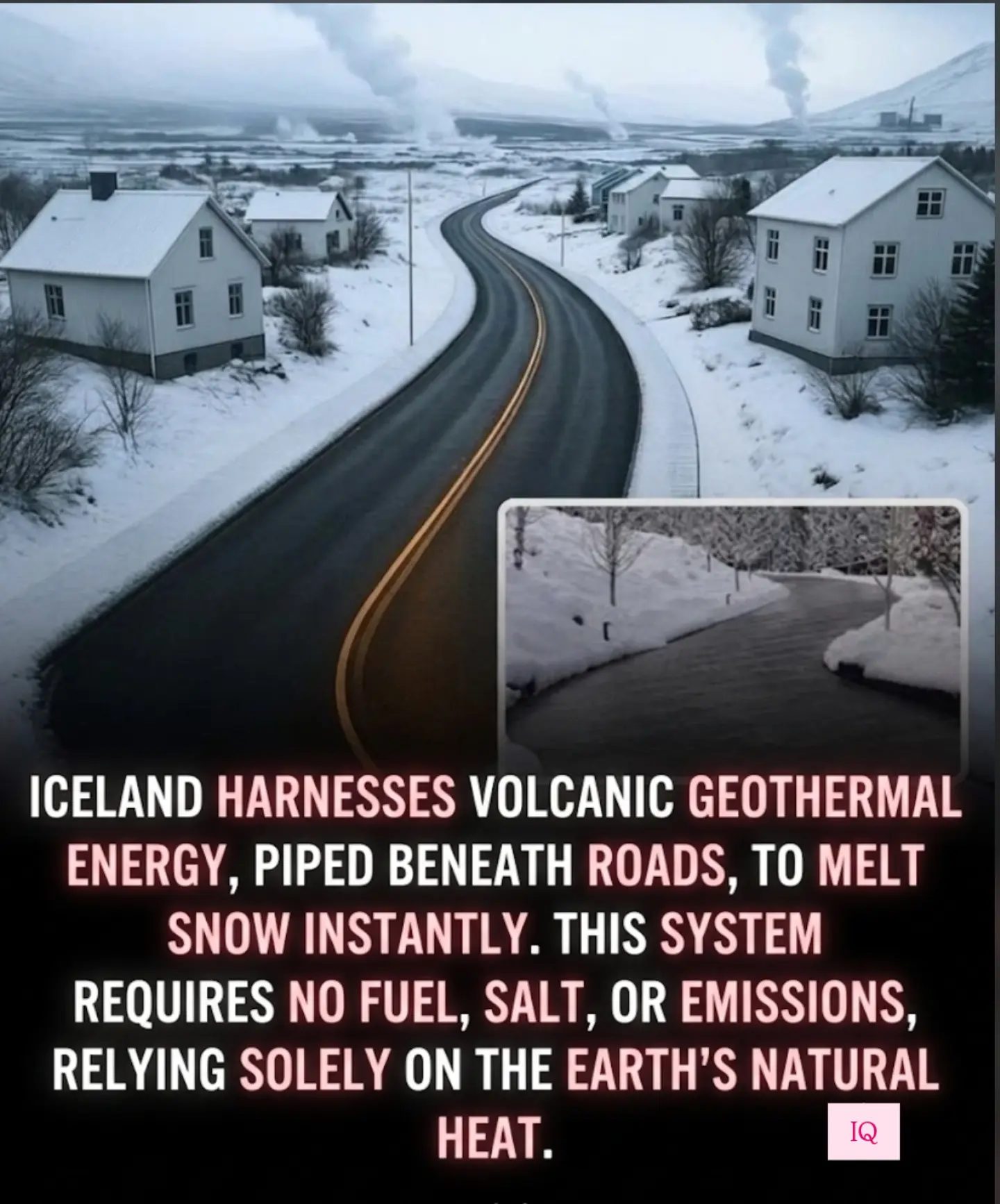
Geothermal Energy in Iceland
Iceland's innovative use of geothermal energy is revolutionizing winter road maintenance, showcasing a sustainable and efficient approach to managing snow and ice. By harnessing the power of the Earth's natural heat, Iceland has developed a system that not only keeps roads clear but also reduces environmental impact and maintenance costs.
Context / Why this matters
For many regions experiencing harsh winters, snow and ice removal from roads is a significant challenge. Traditional methods such as salting and plowing can be labor-intensive, costly, and environmentally harmful. Geothermal energy offers an alternative solution, providing a cleaner and more sustainable way to manage winter road conditions. By understanding Iceland's approach, other regions can explore similar solutions to enhance their own winter maintenance strategies.
Main discussion
Understanding Iceland's Geothermal Energy System
Iceland's geothermal energy system relies on the country's unique volcanic activity. The Earth's natural heat is harnessed and piped beneath roads to melt snow and ice. This method is highly efficient and environmentally friendly, as it requires no additional fuel, salt, or emissions. Instead of relying on heavy machinery or harsh chemicals, the system uses hot water that is often recycled from heating nearby homes. This approach not only melts snow instantly but also ensures that roads remain clear throughout the winter.
The Benefits of Geothermal Heating for Roads
The benefits of using geothermal energy for road maintenance are multifaceted. Firstly, it is a zero-emission solution, contributing to a cleaner environment. Secondly, it reduces the need for heavy plows and salt, which can damage the road surface and harm local ecosystems. Additionally, the system saves millions on winter road maintenance, making it a cost-effective solution for municipalities. By relying solely on the Earth's natural heat, Iceland has demonstrated that sustainable solutions can be both effective and economical.
Geothermal Energy's Environmental Impact
One of the standout advantages of geothermal energy is its minimal environmental impact. Traditional methods of snow and ice removal often involve the use of salt, heavy machinery, and fossil fuels, all of which contribute to environmental degradation. In contrast, geothermal energy leverages the Earth's natural heat, making it a sustainable and eco-friendly solution. This approach not only reduces the carbon footprint of winter road maintenance but also helps preserve local ecosystems by eliminating the need for harmful chemicals and heavy machinery.
Cost Savings and Efficiency
The financial benefits of Iceland's geothermal energy system are significant. By eliminating the need for salt, heavy plows, and fossil fuels, the system saves millions on winter road maintenance. This cost savings can be redirected towards other essential services or infrastructure improvements, making it a fiscally responsible choice for municipalities. Moreover, the efficiency of the system ensures that roads remain clear throughout the winter, reducing the risk of accidents and improving overall safety.
Practical tips
For regions interested in implementing a similar geothermal energy system, several practical tips can guide the process:
-
Assess Geothermal Potential: Determine if your region has the necessary geothermal resources to support such a system. Iceland's volcanic activity makes it an ideal candidate, but other regions may also have geothermal potential.
-
Investigate Existing Infrastructure: Evaluate your current road infrastructure to understand how geothermal energy can be integrated seamlessly. This may involve collaborating with local engineers and geologists to design an effective system.
-
Pilot Projects: Start with pilot projects to test the feasibility and efficiency of geothermal heating for roads. This approach allows for adjustments and improvements before full-scale implementation.
-
Public Engagement: Engage with the local community to build support and awareness for the new system. Public involvement can help address concerns and ensure that the project aligns with community needs.
-
Monitor and Optimize: Continuously monitor the system's performance and make necessary adjustments to optimize its efficiency and effectiveness. Regular maintenance and updates can ensure long-term success.
Important takeaways
The use of geothermal energy to melt snow and ice from roads in Iceland offers a compelling example of sustainable and efficient winter road maintenance. This system not only reduces environmental impact but also saves on maintenance costs and improves road safety. By harnessing the Earth's natural heat, Iceland has demonstrated a practical and effective solution that can inspire other regions facing similar challenges.
Conclusion
Iceland's innovative use of geothermal energy for winter road maintenance provides a model for sustainable and efficient road management. By leveraging the Earth's natural heat, this system eliminates the need for harmful chemicals and heavy machinery, making it an environmentally friendly and cost-effective solution. For regions looking to enhance their winter road maintenance strategies, Iceland's approach offers valuable insights and practical tips. With continuous monitoring and optimization, geothermal energy can revolutionize the way we manage winter road conditions, ensuring safer, cleaner, and more efficient roads.
Watch the Reel
Questions readers ask
How does Iceland use geothermal energy to maintain roads in winter?
Iceland harnesses the natural heat from its volcanic activity to warm roads, preventing snow and ice accumulation. This is achieved through a system of pipes that circulate hot water or steam beneath the road surface, melting snow and ice efficiently.
What are the environmental benefits of Iceland's geothermal road maintenance system?
Iceland’s method reduces the need for chemical de-icers like salt, which can harm local ecosystems, and minimizes the use of heavy machinery for plowing. This leads to lower greenhouse gas emissions and less environmental disruption.
Can other countries implement Iceland's geothermal road maintenance system?
While not every country has the same geothermal resources as Iceland, many regions with volcanic activity or geothermal hotspots could potentially adapt this technology. However, the feasibility depends on the local geological conditions and infrastructure.
How does geothermal road maintenance compare to traditional methods in terms of cost and sustainability?
Geothermal road maintenance can be more cost-effective in the long run due to reduced labor, lower equipment maintenance, and decreased use of de-icing chemicals. It also offers a more sustainable solution by significantly lowering environmental impact.
What are the key components of Iceland's geothermal road system?
The system includes a network of pipes installed beneath the road surface, a geothermal power plant or hot spring to supply the heat, and a control mechanism to regulate the temperature. This setup ensures that the roads remain clear of snow and ice throughout the winter.
How effective is the geothermal system in preventing road ice?
The geothermal system is highly effective in preventing road ice. By maintaining a consistent temperature above freezing, it ensures that roads remain clear and safe for travel, even during the harshest winter conditions.
What are the zero-emission aspects of Iceland's geothermal road maintenance?
Zero-emission aspects include the elimination of fossil fuel-burning equipment and the reduction of chemical de-icers, both of which contribute to air and water pollution. Instead, the system relies on natural, renewable heat, making it a truly zero-emission solution for road maintenance.
Related deep dives
Similar reads based on topic and creator.

Recent articles
Fresh deep dives from the latest Reels we unpacked.




Comments
Be the first to comment.