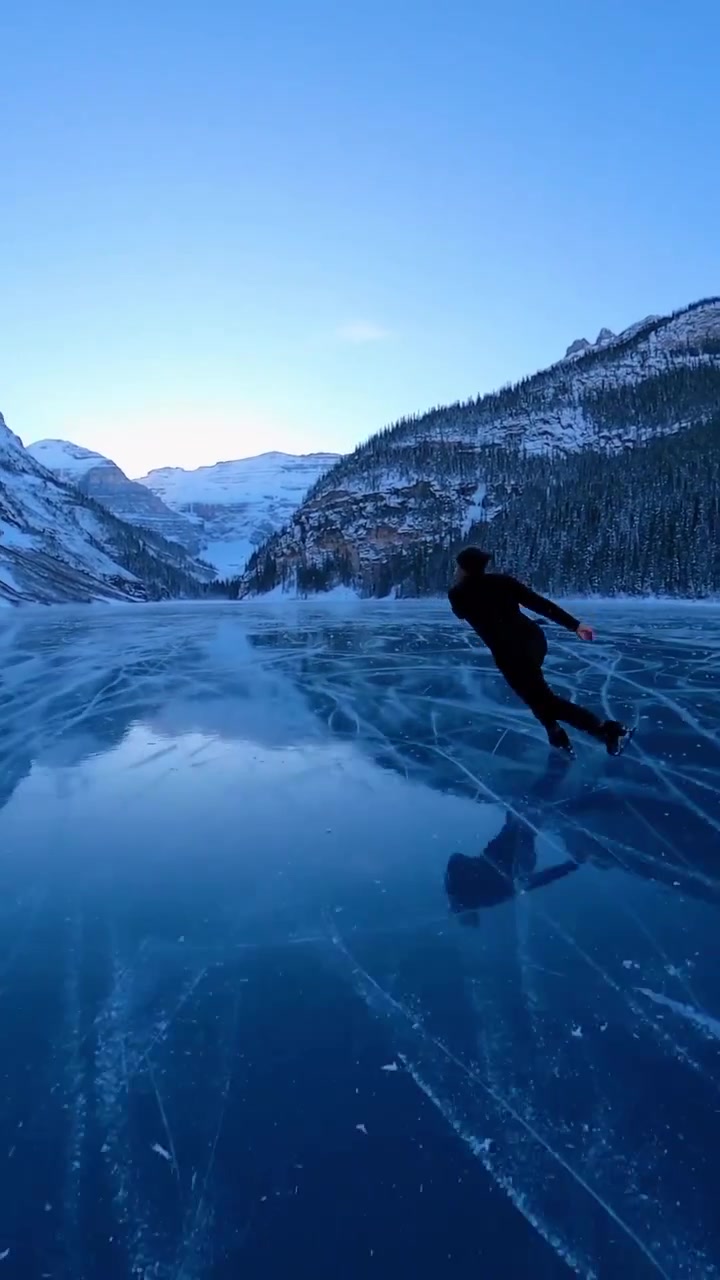
Ice skating on a frozen lake is not just a recreational activity but an art and exhilerating physical expression. There is something magical in the way gliding effortlessly through the vastness of the outdoors happens. At higher elevations, it's more than just a hobby — it’s a dance where the skater moves across the ice in the serene backdrop of mountains and sky.
The Frozen Lake Canvas
Ice skating on a frozen lake is a unique blend of athleticism and grace. The lake, transformed into a natural rink, serves as a sprawling canvas for the skater to perform, with no artificial borders or constraints. The skater can execute a variety of moves, including gliding, turning, and even attempting jumps. This is not limited to figure skates and rink ice. The expansive surface offers a sense of freedom and unlimited space, unlike other forms of ice skating. At the same time, it requires preparation of the lake. The skater must first ensure that the ice is thick and safe. This often involves assessing the weather conditions and perhaps testing the ice with specialized equipment. Once the ice surface is cleared and certified, the skater is free to perform, using the natural elements as their backdrop. The beauty of this form of ice skating is its raw, unfiltered nature. Unlike indoor rinks, there are no predefined boundaries, which allows skaters to be more creative with their movements, compare it to the large lake, the skater is a mere dot against the majestic mountains and vast, blue sky. The beauty of the scene is thus exemplified by the grandness of the spectacle.
Ice Skating in Context
Frozen lakes and open-air skating have been part of winter traditions in many cultures for centuries. The focus of the gentle gliding contrasts sharply with the more performance-heavy figure skating or athletic hockey. The serene nature provides a unique setting that emphasizes personal enjoyment, not competition. As urban life gets more pressing, there is an increasing interest in aiming at solitude and peace. Outdoor ice skating on frozen lakes provides a space for individuals to connect with nature while enjoying a beloved sport. It also fosters a sense of community, as neighbors often gather to clear the ice and socialize. The act of gliding across a frozen lake is a rudimentary human experience the modern world rarely offers. It is the closest you get to flying or flying with limited equipment and barriers. There is a kinship with nature in the process of braiding joy and physical activity. Many ice skaters enjoy the freedom and the expansiveness of the setting.
How Ice Skaters Prepare for Free Skating
It would be imprudent to assume anyone could go out and skate on an open lake with no preparation. The groundwork is essential. While the preparations are not as intensive as those for athletes in more competitive environments, there are still important steps to follow.
Checking Ice Conditions
The first and most crucial step to safe ice skating on a frozen lake is assessing the ice thickness. The necessary thickness for safe skating is determined by the expected load and the age of the ice. The ice has to be cleared of snow to ensure the most frictionless gliding. In many areas of the world, people make the clearing of ice a community activity, which makes it a social activity. The skaters have to clear debris and any rocks that fall from the surrounding mountains.
Choosing the Right Gear
Having the proper gear can make a significant difference in the experience. Ice skates meant for rink skating are different from those designed for outdoor glaciers. This is because outdoor skating rinks are generally more uneven, which means skates need to be more robust. Additionally, the clothing worn for skating in an outdoor rink is different as well. Often warmer clothes are essential when ice skating in outdoor lakes. There is usually a greater risk of falling into snow or getting wet, so one has to be prepared.
Mastering Basic Movements
The skater must master basic movements on the ice before moving on to complex moves. These movements include posing correctly for curved-edge skating, gliding with turns, and finally, backward skating. Proper posture and balance are crucial for executing these movements. As the skater has more experience, it becomes more fun to increase the complexity of the moves.
Skating Forward and Backward
The basic moves involve skating forward and backward. To skate forward, the skater pushes off with one foot and glides on the other, alternating feet. While skating backward, the skater pushes off with the inside edge of the skate and glides on the outside edge. The movements require coordination and a strong sense of balance. One of the challenges of skating backward is that the skater cannot see where they are going, which requires a good sense of direction.
Gliding through Nature
The beauty of this form of ice skating lies in its natural setting. The serenity of a frozen lake surrounded by mountains creates a picturesque backdrop. For anyone who loves nature, this is the perfect way to explore it. There are mountains and lakes that are accessible to the public all over the USA. Some are even open to the public at specific times. This activity is perfect for people who have a busy lifestyle and want to experience a serene setting more in touch with nature.
The Beauty of Frozen Lakes
Frozen lakes are natural masterpieces that nature already has to offer. Surrounded by mountains and a clear blue sky, this forms a beautiful backdrop for anyone. Whether it is a cold still morning or the twilight gloom of the evening, it offers a unique way to present the sport of ice skating. The combination of the mountain backdrop and the vastness of the lake is a serene experience.
Experiencing the Thrill
Part of the enjoyment of skating across a frozen lake is experiencing the thrill and challenge of performing various moves in an unpredictable environment. Ice skating is not just about gliding — turning, twisting, and attempting jumps add excitement and skill. There is also a sense of adventure and excitement in the uncertainty of the surface.
Making Your Own Mark
To experience the thrill of ice skating on a frozen lake for yourself, follow these steps. Whether you are a beginner or a seasoned skater, this guide will help you get started.
- Find a Safe Location: Look for frozen lakes in your area — ensure the ice is thick and clear of debris. Considering checking a local public rink or a local community center to see if they have any recommendations. Some states and parks provide a list of accessible lakes. Make sure to visit a local ranger station to get an updated list with safety and ice conditions.
- Check Ice Conditions: Once you've found a potential location, check the ice thickness. The ice should be at least 4 inches thick for safe skating. Use a drill or auger to test the ice in multiple spots.
- Choose the Right Gear: Invest in a good pair of ice skates designed for outdoor use. Dress in warm, waterproof clothing, and consider wearing a helmet for added safety.
- Prepare the Surface: Clear any debris or snow from the ice to create a smooth surface. Use a broom or shovel to sweep away any obstruction. This ensures that the ice is safe and free of obstacles.
- Start Slowly: Begin with basic movements like gliding and turning. As you become more comfortable, try more complex moves like jumps and spins. Allow the serene environment to enhance your skating experience.
- Safety First: Always skate with a partner or in a group. Carry a whistle or other signaling device in case of emergencies. Ice skating on a frozen lake is more than just a recreational activity; it's a way to connect with nature and find inner peace. The combination of the serene setting and the thrill of gliding across the ice makes it a unique and unforgettable experience. As winter approaches, consider embracing this timeless winter tradition.
Watch the Reel
Questions readers ask
How do I know if the ice on a lake is safe for skating?
To ensure safe ice skating, you need to check the ice thickness. For most lakes, at least 4 inches of clear, solid ice is recommended. It's also important to clear the ice of snow, since snow can insulate the ice and slow down the freezing process. Remember, safety first—if you're unsure, it's better to err on the side of caution and choose a different spot.
What kinds of safety measures should I take before ice skating on a frozen lake?
Before heading out, make sure to check the weather conditions and ice thickness. It's also a good idea to let someone know where you're going and when you plan to return. Wear appropriate gear, including a helmet, and consider bringing safety equipment like ice picks or a rope. Always remember that safety comes first.
What kind of equipment do I need for skating on a frozen lake?
You'll need a good pair of ice skates and appropriate clothing for the cold. It's also recommended to have safety equipment on hand, such as ice picks or a rope. These can help if you fall through the ice or need to pull someone to safety.
How does ice skating on a frozen lake differ from skating at an indoor rink?
Ice skating on a frozen lake offers a sense of freedom and unlimited space that you won't find at an indoor rink. The natural surroundings, like mountains and sky, provide a serene backdrop for your performance. However, it also requires more preparation to ensure the ice is safe and clear of snow.
What are the benefits of ice skating on a frozen lake compared to other forms of ice skating?
Ice skating on a frozen lake provides a unique blend of athleticism and grace, with no artificial borders or constraints. It allows skaters to be more creative with their movements and connect with nature while enjoying a beloved sport. Plus, it fosters a sense of community as neighbors often gather to clear the ice and socialize.
Is it possible to perform jumps and other advanced moves on a frozen lake?
Yes, the expansive surface of a frozen lake allows for a variety of moves, including gliding, turning, and even attempting jumps. However, it's important to ensure the ice is thick and safe enough to support these movements. Always prioritize safety when attempting advanced moves.
Are there any cultural significances or traditions associated with ice skating on frozen lakes?
Yes, frozen lakes and open-air skating have been part of winter traditions in many cultures for centuries. The serene nature of the activity provides a unique setting that emphasizes personal enjoyment and community. It's a chance to connect with nature and experience a sense of kinship with the environment.
Related deep dives
Similar reads based on topic and creator.

Recent articles
Fresh deep dives from the latest Reels we unpacked.

Comments
Be the first to comment.