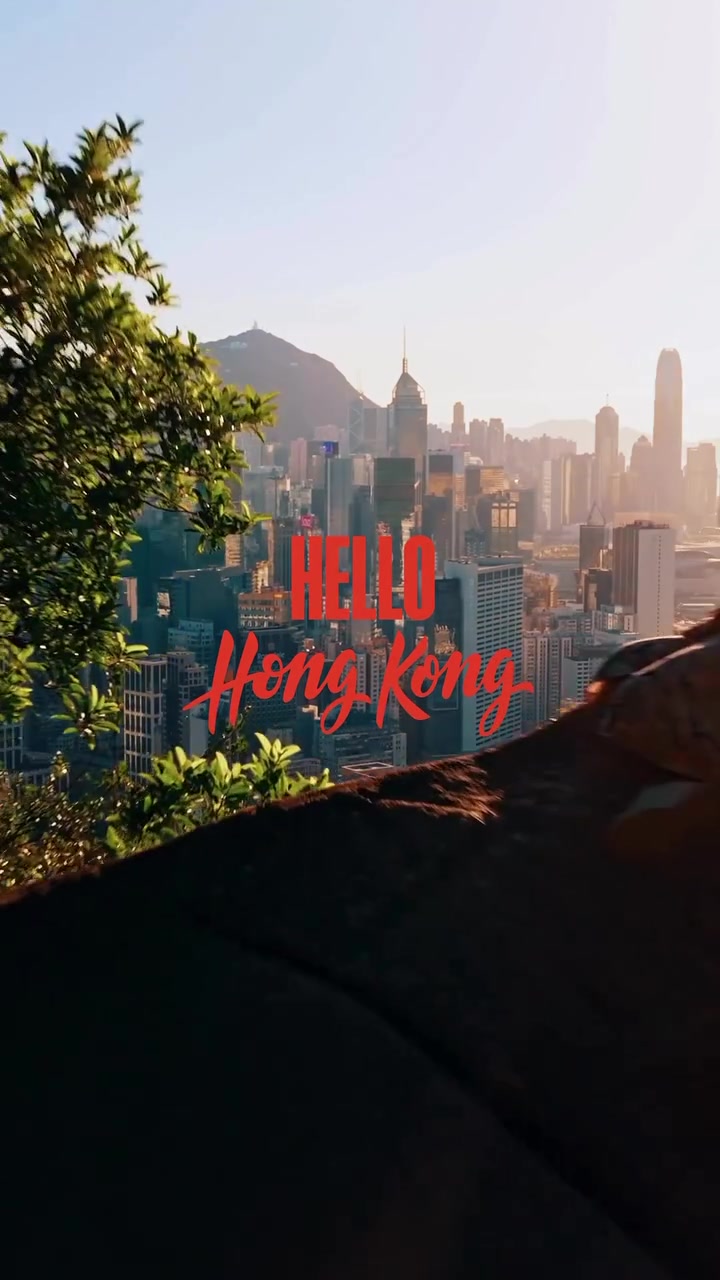
Hong Kong's skyline remains a global icon today, its skyscrapers and densely packed buildings a testament to the city's ambition and energy. The island’s vertical expansion, driven by a limited land area and a growing population, has resulted in a cityscape that is among the world's most distinctive. From Victoria Peak, the view is more than just a scenic panorama, it allows the viewer to unravel the story of Hong Kong's growth and development.
City of Vertigo
To understand Hong Kong’s cityscape, you have to embrace its vertical. It stretches outward, but Hong Kong's real identity unfolds as you look up. The city is surrounded by mountains and water, limiting horizontal growth. However, buildings soar to over 1000 feet, far above ruling norms for zoning, constructing, and safety. There are more skyscrapers than in any other city outside of New York and its every tenth building is the size of a small city. The city’s skyline extends downwards too, as an extensive network of tunnels and underground infrastructure helps some 12,000 people move about each day. The city has previously been as densely packed as Tokyo and Mumbai. Yet it is less congested than the 3 most densely populated cities in the world, suggesting its infrastructure is maintaining public services despite the population. Construction here is no simple task. Geopolitical history has presented many challenges, including a local blockade of supplies in 2019. Modern buildings in Hong Kong can face a variety of issues, including structural issues related to the quality of concrete and the way the city's geology interacts with the foundations. Manhattan views are dominated by massive skyscrapers and civic architecture, while London’s cityscape is an interplay of historic and modern buildings. Hong Kong is neither. The immediacy of growth and development presents a more organic skyline. Its buildings tend to appear jagged, disjointed, and imperfect but perceptively more genuine. The city has embraced its verticality, with the 10th tallest skyscraper in the world, 180 meter high Tsim Sha Tsui tower, a 54-story pyramid, the International Finance Centre and Hong Kong's most iconic skyscraper, the Central Plaza, all sharing the same skyline.
The View is the Destination
Rising demand, limited space, and decades of investment have positioned Hong Kong as a premier destination for travelers. Many consider Hong Kong to be the gateway to Asia. While some come to explore local culture, others visit for the incredible skyline, a view that's far from functionless.
The central feature of Hong Kong's iconography is the Skyline, a 3.7-kilometre ribbon of land above the harbor that runs through the center of the city. It hosts a large variety of high rises, from famous landmarks and modern glass and steel towers to older concrete high-rises. The apex of the skyline features the 900-foot high International Finance Centre and its twin towers. Graceful, spiraling roof gardens and glass-clad, cylindrical towers stand out, though many buildings are more plainly utilitarian. The skyline's dynamism is not just its result of urban planning, but the viewer may take any of the seven views of Hong Kong Island for an active adventure.
The view is certainly a part of Hong Kong's appeal, but the city also offers a variety of tourist opportunities. The harbor is a center of tourism in the city and home to the Star Ferry, a historic service that provides passage to the mainland, and other attractions like Waterfront and Symphony of Lights. Visitors can also embark on nature hikes, pop into galleries, and visit markets. Dim Sum and affordable Hong Kong street food, provides visitors of any budget the opportunity to try a new cuisine.
The Peak
A Hong Kong skyline tour would be incomplete without a visit to Victoria Peak. At 1,823 feet, it is one of the most famous landmarks in Hong Kong, offering breathtaking views of the city. A pony ride once provided the only means to reach the peak, but today the Peak Tower and Victoria Peak Garden are easily accessible via the Peak Tram. The city's largest eastern hemisphere mall features a food court and special events, and the observatory has a bar and restaurant. The Peak Tram provides visitors with a more modern alternative, taking them from the city to a mountain at speeds of up to 25 miles per hour. The Peak Tower has a 60 meter illuminated wheel, nine viewing platforms, and the highest juice bar in Hong Kong. The Hong Kong skyline changes with every visit. The skyline is a living, breathing entity, constantly evolving according to the city's whims. I finished my visit and headed back down by tram, but somehow felt I’d only just begun to unpack the enormous city.
The Harbor
The Star Ferry is an important part of the Hong Kong experience, with 100,000 passengers routinely using the service. It was once the city's primary means of transport, but today it serves as a tourist attraction, offering spectacular views of the harbor and the city's iconic skyline, particularly at sunset. If you’re taking the tran, tourists pay for the experience, while locals prefer buses, taxis, and the MTR. While it’s possible to make it without even knowing it’s there, the experience makes you feel like you’re part of the skyline, just not one of the taller buildings.
The Intercontinental
Hong Kong's luxury travel market also has an array of luxurious waterfront hotels. Hotel InterContinental is one such hotel providing a luxurious stay, it's luxury and comfort and its infinity pool and a 6000 ft² spa.
The Good, the Bad, and the Neutral
There is more to the story of Hong Kong’s skyline beyond its attractiveness, though it often gets sidelined in favor of that impression. Hong Kong's skyline is far more than just glamour and economic opportunity. The economic gains of building well within the city center were created on land that had previously been home to far less dense residential areas. Some of the less appreciated angles are the historical preservation concerns, problems with transport, and pollution. The urbanization has compounded the issues with carbon emissions and pollution. While the city has managed to reduce air pollution, there is an ongoing concern about water quality and odor. The city continues to invest in green efforts, and certain buildings are designed to lessen the burden of transportation, though the entire city would need a drastic overhaul to meet the EU pollution requirements. While the city is easily navigable by tram or bus, the roads are often congested, and there is a lack of pedestrian-friendly areas. While the city has taken steps to improve these issues, the intense density of urban development means that many streets are just too narrow. On weekends, it can take over twice the time to get from one point to another. The skyline is an axis of luxury and identity but also a subject of controversy and concern in the case of residents of the city. In the 1950s, Hong Kong's population grew by 400,000, and the city has had to deal with the consequences of that periodic influx. But the development of space has disproportionately benefited the wealthy who can afford to live in luxury high-rises, while the poor remain in cramped conditions. While developers face stringent rules and face a large number of legal roadblocks, the demand for housing in the city’s center is insufficient to justify the cost of building more housing there, and it is cheaper to build in the outer regions.
Where to start
The view is the destination, but Hong Kong has much more to offer. The city offers a variety of activities for all travelers, ranging from luxury to budget-friendly options. Already prepared sights you can see on a one-day itinerary include:
- Victoria Peak
- Star Ferry
- Hong Kong island
- InterContinental Hotel
- Victoria Harbour
- Sky100 Observation Deck Hong Kong’s skyline is an essential experience for any traveler to Asia, and is only one angle of the city’s captivating tragedy and beauty.
Watch the Reel
Questions readers ask
How does Hong Kong's vertical expansion compare to other major cities like New York and Tokyo?
Hong Kong's vertical expansion is quite unique. While cities like New York have iconic skyscrapers and Tokyo has a dense urban landscape, Hong Kong's skyline is more organic and jagged, with buildings that appear more genuine and less planned. Hong Kong has more skyscrapers per capita than any other city outside of New York, and its buildings soar to over 1,000 feet, far above typical zoning and construction norms.
What are some of the challenges faced by Hong Kong in constructing its skyline?
Constructing in Hong Kong is fraught with challenges. The city is surrounded by mountains and water, limiting horizontal growth and forcing vertical expansion. Additionally, the geopolitical history of Hong Kong has presented obstacles, such as a local blockade of supplies in 2019. Modern buildings in Hong Kong can face structural issues related to the quality of concrete and the interaction between the city's geology and building foundations.
What makes Hong Kong's skyline unique compared to other global skylines?
Hong Kong's skyline is unique due to its organic and jagged appearance, which is a result of the city's rapid growth and limited land area. Unlike Manhattan's massive skyscrapers or London's blend of historic and modern buildings, Hong Kong's skyline is more disjointed and imperfect. This makes it stand out as a more genuine reflection of the city's development and ambition.
What are some of the iconic buildings that contribute to Hong Kong's skyline?
Hong Kong's skyline features several iconic buildings, including the International Finance Centre with its twin towers, the 54-story pyramid-shaped Tsim Sha Tsui tower, and the Central Plaza, which is one of the city's most recognizable skyscrapers. These buildings, along with many others, create a dynamic and visually striking skyline that is a major attraction for visitors.
How does Hong Kong's infrastructure handle its dense population?
Despite being densely populated, Hong Kong's infrastructure is designed to maintain public services effectively. The city has an extensive network of tunnels and underground infrastructure that helps move around 12,000 people daily. This, along with a well-planned infrastructure, ensures that the city remains less congested than the three most densely populated cities in the world.
Can visitors to Hong Kong experience the skyline from multiple viewpoints?
Yes, visitors to Hong Kong can experience the skyline from multiple viewpoints. The city offers several iconic spots, like Victoria Peak, where the view is more than just a scenic panorama—it allows the viewer to unravel the story of Hong Kong's growth and development. The skyline's dynamism is a result of urban planning and the viewer may take any of the seven views of Hong Kong for a comprehensive experience.
Related deep dives
Similar reads based on topic and creator.


Recent articles
Fresh deep dives from the latest Reels we unpacked.



Comments
Be the first to comment.