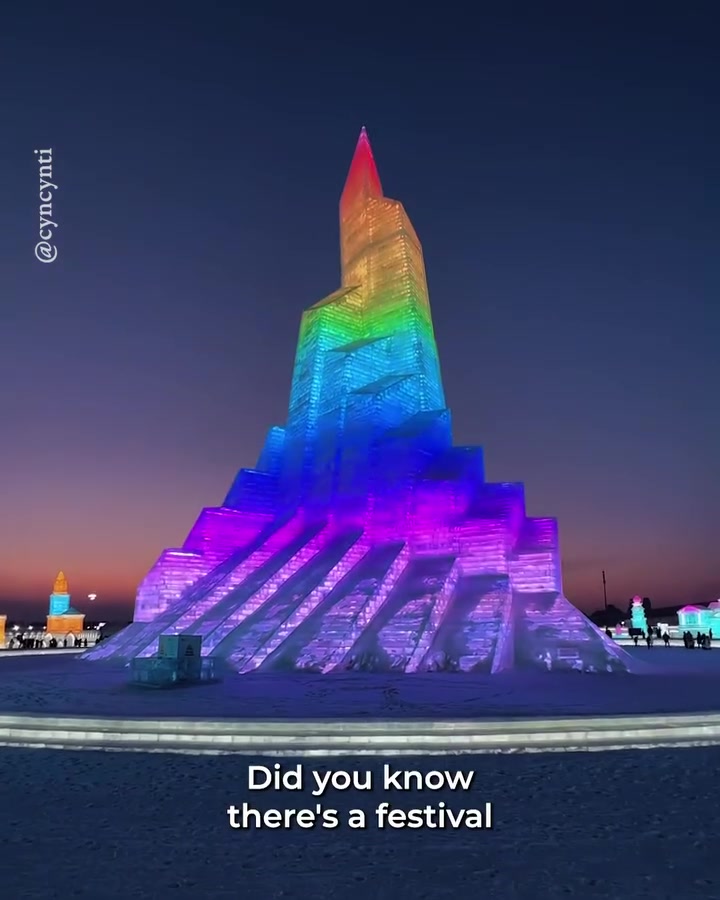
Every January, Harbin, a city in northern China, transforms into a sprawling ice sculpting expo — it carves an ephemeral city of snow and ice. Fans of ice sculptures know this yearly show as the Harbin International Ice and Snow Festival. It opens January 5th and runs to the end of February, which can be March in milder years. The entire site spans over 600,000 square meters, featuring more than ice sculptures. There is also a 400-meter ice slide and festivals for skiing, plus chances to swim in the frigid Sungua river.
Winter’s Blockbuster
The Harbin Ice and Snow Festival is bigger than a town fair. It's an entire city made of ice and snow, one of the largest frozen events in the world. It’s not just a local attraction, either — tourists flock here from around the world to gawk at this icy spectacle. The festival draws thousands of visitors yearly. The ephemerality is part of the draw. This “city” is not intended to endure. The festival is open only from January 5th, when the completed structures are unveiled, to the end of February. When the event ends, the melting of the structures begins. The entire ice city spans over 600,000 square meters, teeming with breathtaking structures. These include a 400-meter ice slide and an ice sports complex.
Ice-Wide Fun
Sculptures as the Main Event
The sheer scale of the ice sculptures is breathtaking, and more than the raw size, their variety is astounding. Carved from blocks of crystal clear ice are castles, dragons, and pagodas. Large-scale ice sculptures. The vision data shows a rainbow-colored tower, intricate structures, and sculptures. There are even ice slides to enjoy, and the 400-meter slide is a highlight.
Riding on Ice
The festival grounds also offer activities like skiing and winter swimming in the Sungua River. People are seen walking around and riding bikes on the ice. Ice-biking sounds unusual, and it is, but there is no shortage willing to try it. Extreme ice activities are available, too, including high-speed racing and sledding. The entire experience is akin to a vast, frozen playground — one that's uniquely enchanting when the sun hits the ice at just the right angle. People mill about on the ice, skating and biking. The sledding and racing are exhilarating, and even the 400-meter ice slide is uniquely thrilling. On a colder day, explorers can warm up in the large ice pavilions and the ice sports complex.
The Thermodynamics of Frozen Pavilions
How the Ice City is Constructed
The illusion of a complete ice city is achieved by carving the huge ice sculptures that add to the fantastical look. The sculptures themselves are made from blocks of clear ice. The blocks of ice are carved into sculptures, and these sculptures are then put together to form a complete structure. The process of carving the blocks of ice also involves a certain amount of skill and artistry.
Protected by Plastic and Heat
Word of mouth by visitors at the festival mentions the use of plastic covers to shield the structures from sunlight, as well as internal heating to maintain consistency in the ice sculptures. These techniques ensure that the festival grounds are safe for visitors. Most of the festival grounds are covered in ice, so avoiding ice melt provides steadier footing.
Winter Magic
Hearing the artist
The artistry of the festival is the result of collaboration between various artists. Some of the sculptures are works of art while the making of the ice sculptures is a process that combines artistry, creativity, precision, and much effort. The inspiration from nature and Chinese culture is clear in the themes and styles. It's difficult to miss the symmetry of the ice sculptures and the creative use of different shapes and forms.
Catching the Festival
- Ride the Ice: The festival features a large number of winter sports activities. Biking and skiing are on the menu as well as the 400-meter ice slide.
- Plan for the Cold: Each year the festival grounds are covered in ice, so visitors should be prepared for the possibility of walking on ice.
- Take Plenty of Photos: The spectacle is ripe for documentation, whether it's day or night. The structures of the festival are often lit up to add a unique, enchanting, and magical atmosphere.
Watch the Reel
Questions readers ask
What makes the Harbin Ice and Snow Festival unique compared to other winter festivals?
The Harbin Ice and Snow Festival stands out due to its enormous scale and the sheer variety of ice sculptures on display. Unlike other festivals, it transforms an entire city into a winter wonderland with structures like a 12-foot tall ice dragon and a 400-meter long ice slide, offering a breathtaking experience that's both visually stunning and interactive.
How are the ice sculptures at the Harbin festival created?
The ice sculptures are carved from massive blocks of clear ice. Skilled artisans transform these blocks into intricate structures like castles, dragons, and pagodas. The process involves a combination of artistry and technical skill to ensure the sculptures are both beautiful and structurally sound.
Can you do more than just look at the sculptures at the festival?
Absolutely, the festival offers a variety of activities beyond just admiring the sculptures. Visitors can enjoy skiing, ice biking, sledding, and even swimming in the Sungua River. There's also a 400-meter ice slide and ice sports complex, making it a full-fledged winter playground.
What measures are taken to preserve the ice sculptures during the festival?
The festival uses plastic covers to shield the ice structures from direct sunlight and internal heating to maintain their consistency. These techniques help ensure the sculptures remain intact and safe for visitors throughout the event.
Is the festival only for thrill-seekers, or can families enjoy it too?
The Harbin Ice and Snow Festival caters to a wide range of visitors. While there are plenty of thrilling activities like high-speed racing and sledding, families can also enjoy the stunning ice sculptures, ice slides, and various festivals. The event offers something for everyone, making it a great family outing.
How long does the festival last, and when is the best time to visit?
The festival typically runs from January 5th to the end of February, although it can extend to early March in milder years. The best time to visit is early in the season when the ice sculptures are freshly unveiled and the weather is still crisp, offering a truly magical experience.
What happens to the ice city after the festival ends?
After the festival concludes, the ice city begins to melt, as the structures are not intended to endure. The ephemeral nature of the festival is part of its charm, making each visit a unique and fleeting experience. This transient beauty adds to the allure of the Harbin Ice and Snow Festival.
Related deep dives
Similar reads based on topic and creator.
Recent articles
Fresh deep dives from the latest Reels we unpacked.



Comments
Be the first to comment.