Soil Drilling for Gold: Uncovering the Process
Soil drilling, particularly in gold mining, is a fascinating process that combines brute force with precise engineering. This method is crucial for extracting gold from deep within the Earth, especially in regions like the Amazon where gold-bearing soil is prevalent.
Why This Matters
Gold mining is not just about finding shiny nuggets; it involves understanding the complex interplay between soil composition, extraction methods, and the geological layers that hold precious metals. The process of drilling for soil and extracting gold is a meticulous one, requiring a deep understanding of both the technology involved and the geological context.
The Technical Process
High-Pressure Jetting and Soil Extraction
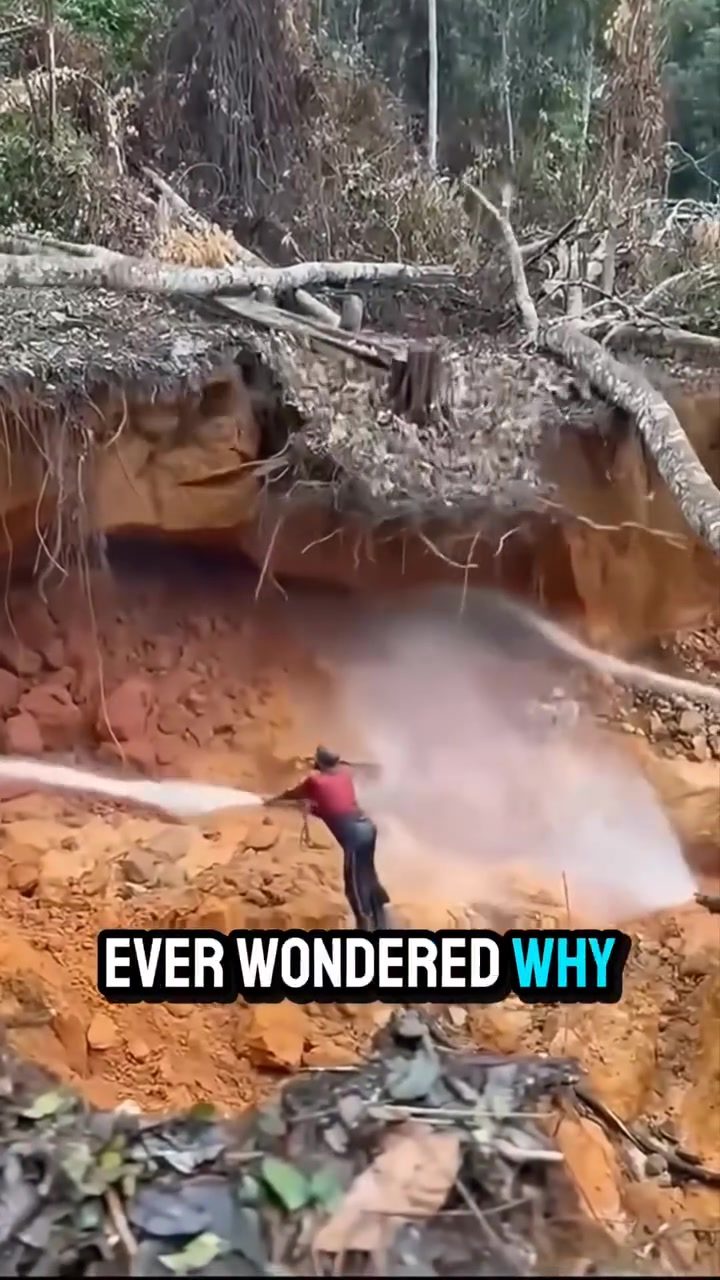
High-pressure jetting is a cornerstone of modern gold mining. These high-pressure jets are used to blast through massive layers of hard, gold-bearing soil. The powerful water jets turn the soil into a thick slurry that rushes downhill, making it easier to separate the valuable gold from the less valuable dirt and sand.
Slurry Processing
Once the soil is turned into slurry, it flows through special channels designed to separate the valuable gold from the rest of the material. Water carries away the lighter dirt and sand, while heavier gold particles sink and get trapped in grooves at the bottom of these channels. This process ensures that the gold is efficiently separated from the rest of the soil.
Daily Processing and Gold Recovery
The system is designed to work nonstop, processing around 200 tons of slurry every day. Even with a low concentration of gold—less than 0.03 ounces per ton of soil—miners can recover roughly 4 to 6 ounces of gold daily. This highlights the efficiency and effectiveness of the soil drilling and processing methods used in gold mining.
Practical Tips
Understanding the Technology
To appreciate the drilling process, it’s essential to understand the technology behind it. High-pressure jets and slurry processing channels are engineered to maximize efficiency and minimize waste. Knowing how these systems work can give you a deeper insight into the mining process.
Safety and Efficiency
Safety is a critical aspect of soil drilling for gold. Miners must hold onto the pipes tightly, even when the water pressure is strong enough to injure them. This is because letting go could result in the powerful water jet knocking them over and washing valuable gold straight into the mud.
Environmental Considerations
While the process is efficient, it's also important to consider the environmental impact. The use of high-pressure jets and the large amounts of water required can have significant effects on the ecosystem. Understanding these impacts can help in developing more sustainable mining practices.
Important Takeaways
- High-Pressure Jetting: Essential for turning hard, gold-bearing soil into slurry.
- Slurry Processing: Efficiently separates gold from dirt and sand.
- Daily Processing: The system can process 200 tons of slurry daily, recovering 4 to 6 ounces of gold.
- Safety: Miners must handle high-pressure jets carefully to prevent accidents and loss of valuable gold.
Conclusion
Soil drilling for gold is a complex and intricate process that involves high-pressure jetting, slurry processing, and careful handling to ensure safety and efficiency. Understanding the technology and methods used in this process provides a deeper appreciation for the effort and expertise involved in extracting gold from the Earth.
Watch the Reel
Questions readers ask
What methods do miners use to extract gold from the soil in the Amazon?
Miners in the Amazon typically use high-pressure jetting to turn hard, gold-bearing soil into a slurry, which is then processed through specialized channels to separate the gold from the dirt and sand. This method is particularly effective in low concentration gold deposits.
How does high-pressure jetting aid in gold mining?
High-pressure jetting involves using powerful water jets to break down solid soil, making it easier to extract gold. This process turns the soil into a slurry, which can be more easily processed to separate gold from other materials.
What is the slurry process in Amazon gold mining?
The slurry process involves mixing soil with water to create a mixture that can be easily transported and refined. This slurry is then processed through channels that separate the gold from the other materials, allowing for efficient gold recovery.
Why is soil drilling important for gold mining in the Amazon?
Soil drilling is crucial for accessing gold deposits that are buried deep within the Earth, particularly in regions like the Amazon where gold-bearing soil is prevalent. This method allows miners to reach and extract gold from deep soil layers efficiently.
What are the advantages of using high-pressure jetting in gold mining?
High-pressure jetting is advantageous for high-pressure jetting because of its ability to break down hard soil efficiently, making it easier to extract gold. This method also allows for the processing of low-concentration gold deposits, ensuring that even small amounts of gold are not lost in the process.
What are the steps involved in soil drilling for gold?
Soil drilling for gold involves several steps, including drilling into the soil to access the gold-bearing layers, using high-pressure jetting to turn the soil into a slurry, and then processing this slurry through specialized channels to separate the gold from other materials.
Can high-pressure jetting be used to extract gold from soil in other regions besides the Amazon?
While high-pressure jetting is particularly effective in the Amazon due to the region's unique geological conditions, this method can also be applied in other regions with similar soil composition and gold deposits. The effectiveness of this method depends on various factors, including the depth and concentration of the gold deposits.
Related deep dives
Similar reads based on topic and creator.


Recent articles
Fresh deep dives from the latest Reels we unpacked.




Comments
Be the first to comment.