Glass Recycling
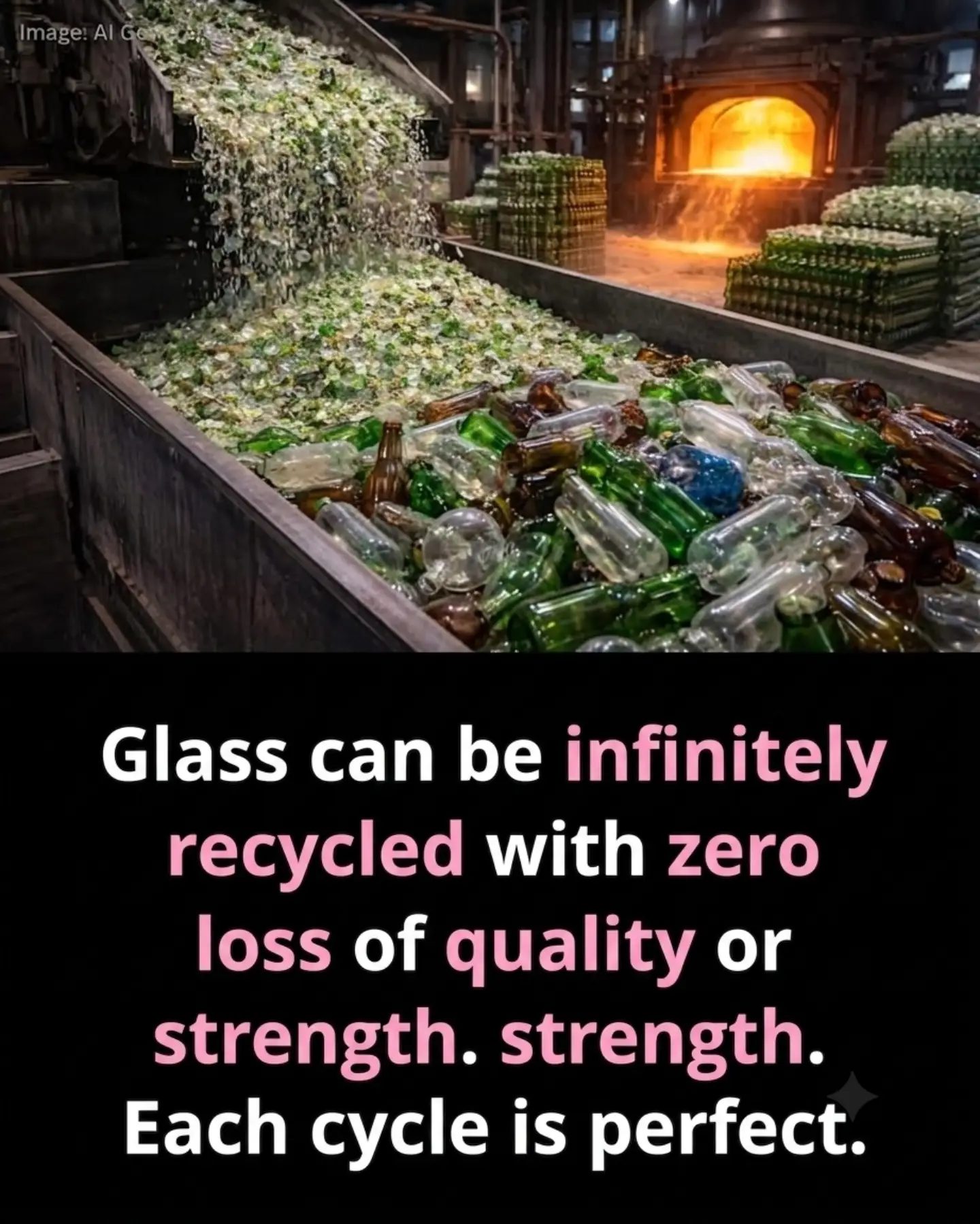
Glass is one of the most sustainable materials available, particularly when it comes to recycling. Unlike many other materials, glass can be recycled infinitely without losing its quality, purity, or strength. This makes glass an excellent candidate for a sustainable future, especially when it comes to glass bottles.
Why This Matters
Understanding the recycling process of glass is crucial for several reasons. Firstly, it helps in reducing waste and conserving natural resources. Secondly, it promotes a circular economy where materials are reused and recycled repeatedly. Lastly, it has significant environmental benefits, including reducing greenhouse gas emissions and energy consumption.
The Infinite Recycling Cycle of Glass
The Recycling Process
The process of recycling glass involves several steps. First, the collected glass is sorted by color. This is because different colors of glass cannot be combined during the recycling process. Once sorted, the glass is cleaned to remove any contaminants, such as labels or caps. The cleaned glass is then crushed into small pieces, known as cullet.
The cullet is then melted at high temperatures, usually around 1,500 to 1,600 degrees Fahrenheit (815 to 871 degrees Celsius). During this process, any remaining impurities are burned off, and the glass is purified. The molten glass is then molded into new glass bottles, jars, or other products.
The Benefits of Recycling Glass
One of the most significant benefits of glass recycling is that it can be done infinitely. This means that a glass bottle can be recycled over and over again without ever losing its quality or strength. Each recycling cycle produces perfectly recyclable glass, making it a sustainable material.
Another benefit is that recycling glass uses less energy than manufacturing new glass from raw materials. This is because the melting point of cullet is lower than that of raw materials, requiring less energy to melt. Additionally, the use of recycled glass reduces the need for raw materials, conserving natural resources.
Practical Tips for Glass Recycling
Sorting Glass
Sorting glass by color is crucial for the recycling process. Most recycling centers will have specific bins for clear, green, and brown glass. Always check with your local recycling center for guidelines, as some may accept only certain colors of glass.
Cleaning Glass
Before recycling, remove any caps, labels, or contaminants from the glass. While some recycling centers may accept glass with labels or caps, the presence of these contaminants can affect the quality of the recycled glass.
Reducing Waste
Consider reducing your glass waste by reusing glass containers. For example, glass jars can be reused for storage, and glass bottles can be refilled with homemade drinks or other liquids.
Checking Local Guidelines
Recycling guidelines can vary by location. Always check with your local recycling center for specific guidelines, as some may accept only certain types of glass or may have specific requirements for preparation.
Important Takeaways
Glass recycling is a sustainable and eco-friendly process that offers numerous benefits. By understanding the recycling process and following practical tips, you can contribute to a more sustainable future. Remember that glass can be recycled infinitely, making it a valuable resource that should be preserved and reused.
Conclusion
The recycling of glass bottles is an essential practice that contributes to environmental sustainability. By recycling glass, we can reduce waste, conserve resources, and minimize the energy required for production. Understanding the process and following best practices can help ensure that glass recycling is done effectively, preserving this valuable material for future generations.
Watch the Reel
Questions readers ask
How does glass recycling contribute to a circular economy?
Glass recycling supports a circular economy by allowing glass to be continuously repurposed without any loss in quality. This means that glass products, such as bottles and jars, can be recycled and reused many times, reducing the need for raw materials and lowering waste.
What are the environmental benefits of recycling glass?
Recycling glass helps reduce greenhouse gas emissions and conserves energy. By reusing glass, we decrease the need to extract and process raw materials, which significantly lowers the overall energy consumption and carbon footprint associated with glass production.
Can all types of glass be recycled?
While most types of glass can be recycled, not all can be processed together. Different types of glass, such as window glass, light bulbs, and glass from electronics, may have different recycling protocols. It's important to check local recycling guidelines to ensure that the glass is properly sorted and accepted for recycling.
Why is glass considered an eco-friendly material for recycling?
Glass is considered an eco-friendly material for recycling because it can be melted down and repurposed repeatedly without any degradation in its quality. This makes it an excellent material for creating new products, reducing the need for new raw materials, and minimizing waste.
How does glass recycling help in reducing waste?
Glass recycling significantly reduces waste by converting used glass products into new ones. Instead of ending up in landfills, glass products like bottles and jars can be recycled to create new glass items. This continuous loop of repurposing reduces the amount of waste and helps conserve natural resources.
What happens to recycled glass after it is collected?
After collection, recycled glass is sorted, cleaned, and crushed into small pieces. These pieces are then melted and molded into new glass products. The entire process is energy-efficient and minimizes the need for raw materials, making it a key component of sustainable waste management practices.
How does glass recycling impact natural resource conservation?
Glass recycling conserves natural resources by reducing the demand for raw materials such as silica, soda ash, and limestone, which are used in the production of new glass. By reusing recycled glass, we can significantly decrease the extraction of these materials from the earth, preserving them for future generations.
Related deep dives
Similar reads based on topic and creator.

Recent articles
Fresh deep dives from the latest Reels we unpacked.




Comments
Be the first to comment.