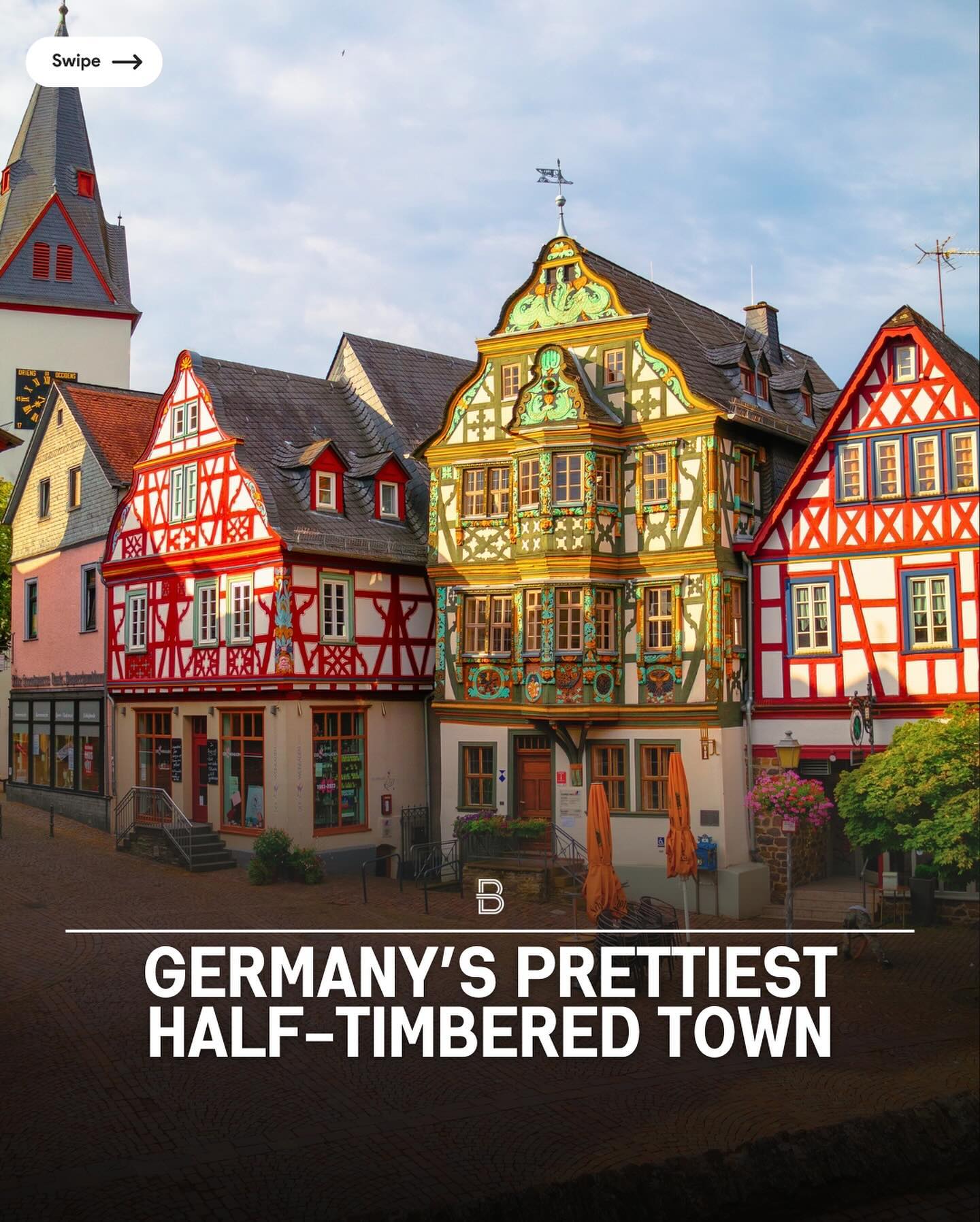
Germany's half-timbered towns, with their intricate wooden frameworks and colorful facades, offer a unique glimpse into the past. These towns, often characterized as iconic architectural marvels, are not just aesthetically pleasing; they are tangible remnants of a bygone era, offering a living experience of history. They show traditional German architecture but at a narrower width than typical modern homes.
A Symphony of Wood and Color
Half-timbering is a building method in which a frame of timber is used to support the weight of a structure. This technique is often combined with a variety of materials, including brick, plaster, and rammed earth. The visible timber framing and infilling are what give half-timbered houses their distinctive appearance. In Germany, these buildings often feature intricate patterns and ornate designs that showcase the craftsmanship of their builders. The charm of half-timbered towns lies in their ability to blend historic architecture with modern living. Many of these buildings, while centuries old, are still lived in and used as shops, restaurants, and hotels. This seamless integration of old and new is one of the most appealing aspects of visiting a half-timbered town. The architecture is not isolated in museums: instead, it's a part of everyday life. What sets these towns apart is not just their unique architecture but the cultural heritage they embody. Every building, with its intricate wooden frameworks, tells a story: they illustrate how people lived in the past and resisted the wear of time.
The allure of Old-World Charm
The appeal of half-timbered towns is part of a wider interest in Europe's rich medieval history. In Germany, this fascination has been fueled by a growing appreciation for cultural tourism. Visitors flock to these towns not just for the beautiful architecture but also for the immersive experience they offer. Each town is a living museum, where history is not just displayed but lived. These towns are also a testament to the resilience of German crafts. The craftsmanship of half-timbered buildings is marked by the intricate carvings and delicate designs of the wooden frameworks. The survival of this craft after centuries is a story not just of artistry but of tradition and perseverance.
Building with Wood and Wood Alone
The half-timbered technique consists of a framework of wooden beams holding the structure together. The spaces between these beams are then filled with other materials. The visible wooden structure often showcases intricate carvings and decorative patterns, giving each building a unique character. This method has been around for centuries and was popular due to its efficiency and durability.
Craftsmanship of Today
One of the most striking aspects of half-timbered architecture is the craftsmanship that goes into constructing and maintaining these buildings. The intricate designs and patterns are often hand-carved, requiring a high degree of skill and precision. This craftsmanship is what gives these buildings their distinctive appearance and enduring charm. Few places in Europe boast more refined half-timbered structures than Germany. Some famous examples throughout the nation feature ornaments that are intricate. For example, the town of Rothenburg ob der Tauber, near the Bavarian border, stands out for its medieval charm and well-preserved half-timbered homes. Some are over half a millennium old. Many boats the town's half-timbered quarters are 550–600 years old. The flora and fauna also play a role, especially in the surrounding countryside, with the Brandenburg and Franconian forests offering a scenic backdrop.
Colorful History, Vibrant Present
The color schemes of these towns are as much a part of their charm as the architecture itself. The vibrant hues of the facades, often painted in bright blues, greens, and yellows, create a visual spectacle that is quite literally picturesque. This tradition of colorful half-timbered buildings stretches back to medieval times. The tradition began as a way to add durability and insulation, but today, it's a key element of their aesthetic value. The careful selection and maintenance of these colors ensure that the buildings remain visually appealing while preserving their historic integrity.
A Photographer's Dream
Travelling through Germany’s half-timbered towns poses an opportunity to explore architecture that predates the modern world by centuries. The towns are often associated with myth and legend, adding to the mystique. Many of these towns are nestled between verdant countryside and charming villages. It is a true gem of the nation. These villages offer a unique mix of authentic rural charm and a touch of sophistication.
A Tour Through Half-Timbered Towns
When visiting a half-timbered town in Germany, it helps to know where to go and what to do. Here are some recommendations to maximize your experience:
- Tour through charming villages like Rothenburg ob der Tauber, known for its well-preserved medieval structures and picturesque streets. For a more immersive experience, take a guided tour to learn about the history of the area from locals.
- Stop at local restaurants and cafes, many of which are housed in half-timbered buildings. They not only offer excellent cuisine but also provide a unique dining experience amidst historic architecture.
- Consider staying in a local inn or bed and breakfast, which often provide a more authentic experience and potentially better value than larger hotels. Bed and breakfasts can offer insider tips for sightseeing as well.
- Explore local craft shops to pick up souvenirs or even learn about traditional crafts. These shops often feature handmade goods, including items related to the local history of timber architecture.
Finding Connections in the Old World
Taking in Germany’s half-timbered towns is akin to stepping into a fairy tale. The intricately carved wooden beams, the vibrant facades, and the rich history make these towns a must-visit. These towns are more than just tourist destinations; they are living testaments to Germany's rich architectural heritage. From the craftsmanship of the half-timbered buildings to the vibrant colors of their facades, the towns offer a unique blend of history, culture, and charm. They provide a window into the past, displaying a way of life that has stood the test of time, and these towns continue to thrive, drawing new generations of visitors each year.
Watch the Reel
Questions readers ask
What exactly makes half-timbered buildings distinctive?
Half-timbered buildings are distinctive due to their visible wooden frameworks and the infilling materials, which can include brick, plaster, or rammed earth. The intricate patterns and ornate designs in the timber framing are also a hallmark of this style, showcasing the craftsmanship of the builders. These buildings are typically narrower than modern homes and often feature colorful facades, adding to their unique charm.
How do half-timbered towns blend historic architecture with modern life?
Many of these historic buildings are still in use today, serving as residences, shops, restaurants, and hotels. This integration means that visitors can experience the architecture as part of everyday life, rather than just in museums. The towns offer an immersive experience where history is lived and breathed, creating a unique blend of old and new.
What kind of cultural heritage do these towns embody?
Each half-timbered building tells a story about how people lived in the past and how they resisted the wear of time. The towns embody a rich cultural heritage, illustrating traditional German architecture and craftsmanship. They are living museums where history is not just displayed but actively experienced.
What makes the craftsmanship in half-timbered buildings so special?
The craftsmanship in half-timbered buildings is marked by intricate carvings and delicate designs, often hand-carved with a high degree of skill and precision. This level of artistry is what gives these buildings their unique character and enduring charm. The survival of this craft over centuries is a testament to the tradition and perseverance of German craftsmen.
Are there any famous examples of half-timbered towns in Germany?
Germany is home to many famous half-timbered towns, each with its own unique charm and historical significance. Some notable examples include Rothenburg ob der Tauber, known for its well-preserved medieval architecture, and Bamberg, famous for its colorful timber-framed houses. These towns attract visitors from around the world who come to admire the intricate craftsmanship and rich history.
Can I find half-timbered buildings in other parts of Europe besides Germany?
While Germany is renowned for its half-timbered architecture, you can also find similar buildings in other parts of Europe, including France, Switzerland, and the UK. Each region has its own unique take on half-timbering, but Germany is particularly noted for the refinement and intricacy of its structures.
What is the technique behind building half-timbered houses?
The technique involves creating a framework of wooden beams that support the structure. The spaces between these beams are then filled with other materials like brick, plaster, or rammed earth. This method has been used for centuries due to its efficiency and durability, making it a staple of traditional German architecture.
Related deep dives
Similar reads based on topic and creator.




Recent articles
Fresh deep dives from the latest Reels we unpacked.




Comments
Be the first to comment.