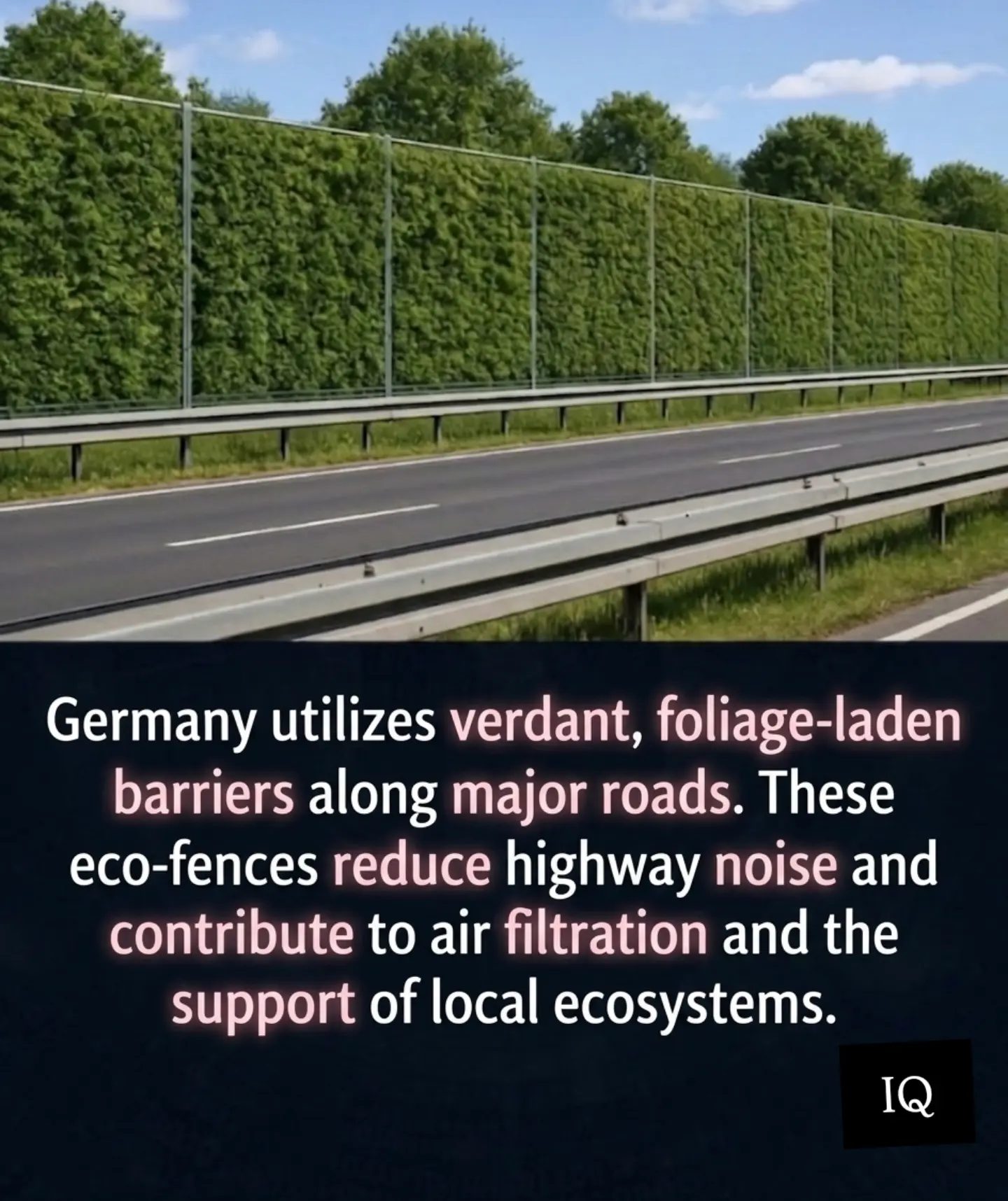
Eco-Friendly Highway Barriers in Germany
Germany has been at the forefront of integrating nature into urban infrastructure, particularly with the implementation of eco-friendly, foliage-laden barriers along major highways. These innovative structures, often referred to as eco-fences, are more than just aesthetic enhancements; they serve multiple environmental functions that make them a game-changer in sustainable urban design.
Context / Why This Matters
Traditional highway barriers, often made of concrete or other hard materials, are designed primarily to reduce noise and ensure safety. However, they often have limited environmental benefits and can sometimes negatively impact local ecosystems. In contrast, Germany's eco-fences offer a holistic approach to noise reduction, pollution control, and biodiversity support, demonstrating how infrastructure can harmonize with the natural environment.
Main Discussion
Noise Control
One of the primary benefits of these eco-fences is their ability to absorb sound waves. Unlike concrete barriers, which tend to reflect and bounce sound waves, the dense foliage of these eco-fences can effectively dissipate noise, making them highly efficient in reducing highway noise levels. This results in quieter environments for nearby communities, enhancing overall quality of life.
Air Filtration
The dense foliage of these barriers plays a crucial role in air purification. The leaves act as natural filters, trapping dust and other particulate matter, as well as harmful traffic pollutants, before they can disperse into the surrounding areas. This makes a significant contribution to air quality in urban and peri-urban areas.
Wildlife Sanctuaries
Another key advantage of these eco-fences is their role as safe habitats for wildlife. In urban and suburban areas, natural spaces are often fragmented by roads and other infrastructure. These living walls provide a continuous corridor for wildlife, ensuring that species like wild bees, birds, and native insects can thrive even in areas where natural spaces have been disrupted.
In essence, these eco-fences transform highways from mere conduits for traffic into vital corridors for nature, supporting local ecosystems and biodiversity.
Practical Tips
For cities and municipalities considering the implementation of similar eco-friendly solutions, several factors should be taken into account. Firstly, selecting the right plant species is crucial. Plants should be hardy, low-maintenance, and well-suited to the local climate and soil conditions. They should also be dense enough to provide effective sound and air filtration.
Secondly, long-term maintenance and care are essential to ensure the sustainability of these eco-fences. Regular pruning, fertilization, and monitoring for pests and diseases are critical to maintaining their functionality and aesthetic appeal.
Lastly, involving community members in the planning and maintenance processes can foster a sense of ownership and ensure that the eco-fences are well-maintained over time. Community engagement can also be a valuable source of ideas and feedback, making the implementation process more inclusive and effective.
Important Takeaways
These eco-fences demonstrate that sustainable infrastructure is not just about building for the present but also about planning for the future. By integrating nature into urban design, cities can create resilient and adaptive environments that benefit both people and wildlife.
The success of these eco-fences in Germany highlights the potential for similar projects in other parts of the world. Cities facing noise pollution, air quality issues, and biodiversity loss can look to Germany as a model for integrating nature into urban infrastructure.
Conclusion
Germany's innovative approach to highway barriers showcases an excellent example of how urban infrastructure can be designed to support and enhance the natural environment. Through noise reduction, air filtration, and wildlife habitat creation, these eco-fences provide a comprehensive solution to several urban challenges. As more cities strive for sustainability, adopting such eco-friendly practices can pave the way for a greener, healthier future.
Watch the Reel
Questions readers ask
What are Germany's green highway barriers and how do they work?
Germany's green highway barriers, or eco-fences, are living structures designed to reduce noise and improve air quality. They are planted with various species of greenery that absorb sound and filter pollutants, making them an eco-friendly alternative to traditional concrete barriers.
How do these barriers support local wildlife along highways?
These barriers can serve as habitats for local wildlife by providing shelter and food sources. The greenery attracts insects, birds and small mammals, fostering biodiversity along the highways.
What are the benefits of eco-friendly highway barriers over traditional ones?
Eco-friendly highway barriers offer several benefits, including improved air quality, enhanced noise reduction, and support for local ecosystems. Unlike traditional barriers, they contribute to a more sustainable and environmentally harmonious urban environment.
What is the impact of traditional highway barriers on the environment?
Traditional highway barriers, often made of concrete, are designed primarily for safety and noise reduction. However, they often have limited environmental benefits and can sometimes negatively impact local ecosystems by destroying habitats and contributing to urban heat island effects.
How do these barriers contribute to sustainable urban design?
By blending nature and sustainability, Germany's eco-friendly barriers reduce highway noise, filter air pollutants, and support local wildlife. This holistic approach transforms highways into green corridors, promoting healthier and quieter urban environments.
Related deep dives
Similar reads based on topic and creator.

Recent articles
Fresh deep dives from the latest Reels we unpacked.




Comments
Be the first to comment.