Urban Farming in Brazil
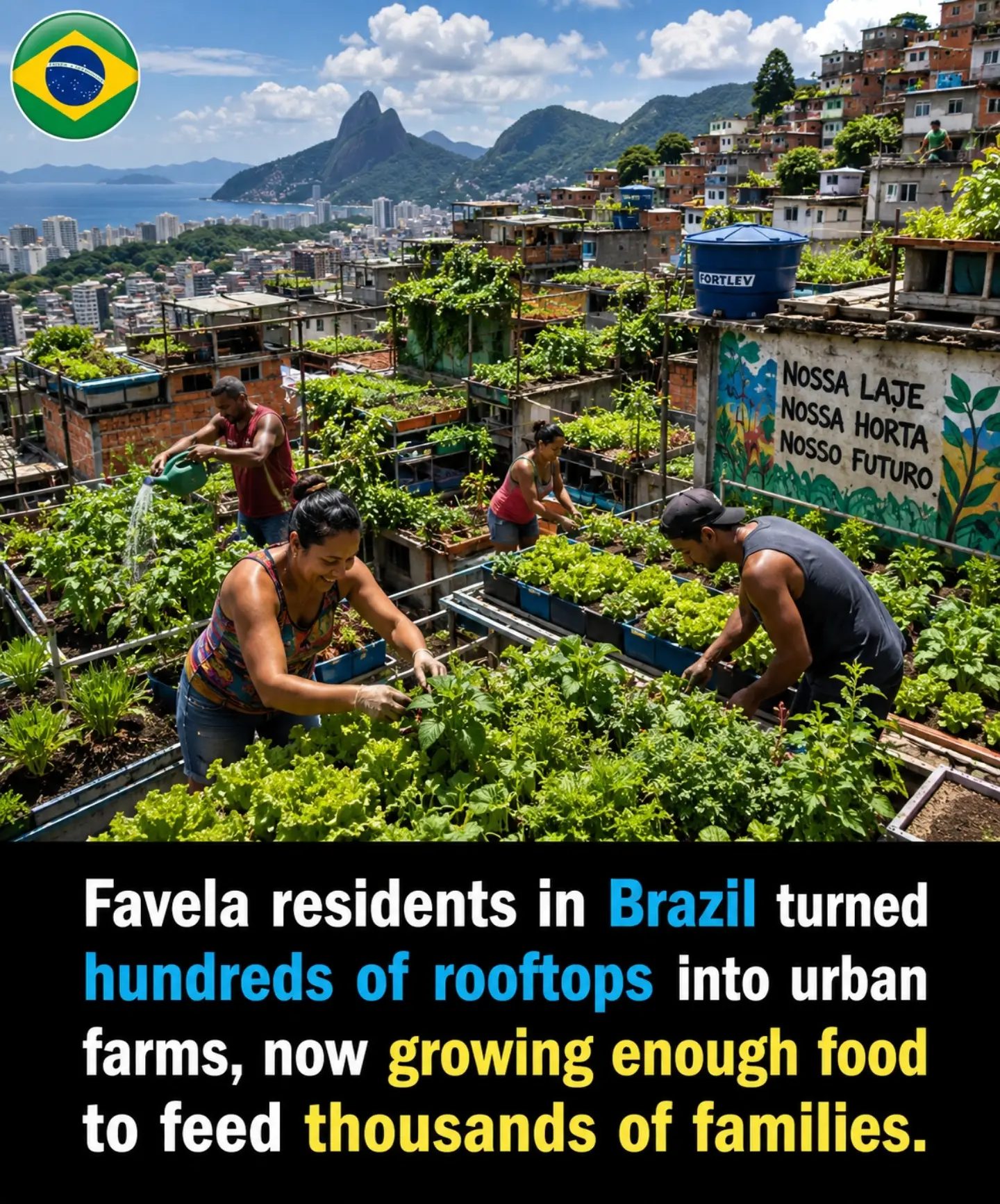
Urban farming has taken root in unexpected places, and one of the most inspiring examples is the transformation of rooftops in Brazilian favelas. Communities are turning their rooftops into lush urban farms, providing fresh produce for thousands of families. This initiative, supported by FORTLEV, not only addresses food security but also fosters a sense of community and environmental stewardship.
Context: Why This Matters
Urban farming in Brazil is more than just a trend; it's a necessity. Many families in urban areas struggle with food access and security. The initiative in Brazil is a practical solution to provide nutritionally rich food, reducing the dependency on distant, often expensive, food sources. Additionally, it’s not just about producing food, but also about creating a sense of community, improving mental health, and promoting sustainable living.
The urban farms, often set up on rooftops, make use of otherwise unoccupied spaces. This not only maximizes land use but also reduces the environmental impact of long-distance food transportation. By growing food locally, the carbon footprint is significantly reduced, making it an environmentally friendly solution.
Main Discussion
The Transformation of Rooftops
Residents of Brazilian favelas are converting hundreds of rooftops into thriving urban farms. This transformation is a testament to human ingenuity and resilience. The rooftops, which were previously unused and often seen as a hazard, are now being utilized to grow a variety of vegetables and herbs. The initiative focuses on growing food that is both nutritious and culturally relevant to the communities.
Community Involvement
The success of this initiative heavily relies on community involvement. Two individuals are actively tending to the plants in raised garden beds, showcasing the level of dedication and commitment from the residents. The initiative, known as "Nossa Horta," which translates to "Our Garden," and "Nossa Laje," which translates to "Our Roof," emphasizes the collective effort and ownership of the project by the community.
Support from FORTLEV
The initiative is supported by FORTLEV, an organization committed to sustainable and community-driven projects. FORTLEV provides the necessary resources, including seeds, tools, and training, to help the residents set up and maintain their urban farms. This support is crucial in ensuring the long-term sustainability of the project.
The Impact
The impact of this initiative is profound. The urban farms are now growing enough food to feed thousands of families. This not only addresses food insecurity but also provides a sense of empowerment to the residents. The community initiative has turned a once-neglected aspect of their environment into a productive and beautiful space.
Practical Tips
If you're inspired to start an urban farming project in your community, here are some practical tips to get you started:
Assess Your Space
Begin by assessing the available space. Rooftops, balconies, and even small corners of a yard can be transformed into urban farms. Ensure the space gets enough sunlight and has access to water.
Choose the Right Plants
Select plants that are well-suited to your climate and the available space. Vegetables and herbs that grow quickly and require minimal care are ideal for beginners. Consider crops like lettuce, spinach, tomatoes, and herbs like basil and mint.
Use Raised Garden Beds
Raised garden beds are a practical solution for urban farming. They are easy to set up, manage, and can be customized to fit the available space. They also help in controlling the soil quality and preventing pests.
Engage the Community
Community involvement is key to the success of any urban farming project. Engage your neighbors, friends, and family in the planning and execution of the project. This not only provides extra hands but also fosters a sense of ownership and community spirit.
Seek Expert Guidance
Reach out to local organizations or experts in urban farming for guidance and support. They can provide valuable insights, resources, and training to help you succeed.
Important Takeaways
- Urban farming is a sustainable solution to food insecurity in urban areas.
- Community involvement is crucial for the success of any urban farming initiative.
- Utilizing rooftops and other unused spaces maximizes land use and reduces the environmental impact.
- Organizations like FORTLEV play a vital role in supporting urban farming projects.
Conclusion
The transformation of rooftops into urban farms in Brazil’s favelas is a powerful example of how communities can come together to address food security and promote sustainable living. This initiative, supported by FORTLEV, showcases the resilience and ingenuity of the residents. By growing food locally, the community not only feeds thousands of families but also creates a sense of ownership and empowerment. If you're inspired to start your own urban farming project, remember to assess your space, choose the right plants, use raised garden beds, engage your community, and seek expert guidance. The impact of urban farming is far-reaching, benefiting both the environment and the community.
Watch the Reel
Questions readers ask
What are favela rooftop farms and where are they located?
Favela rooftop farms are urban agriculture projects situated on the rooftops of buildings in Brazilian favelas. These farms transform unused urban spaces into productive gardens, utilizing rooftops to grow fresh produce in the heart of densely populated areas.
How do favela rooftop farms address food security?
Favela rooftop farms address food security by providing fresh, nutritious produce directly to local communities. By growing food in the midst of urban areas, these farms reduce dependency on distant food sources and ensure that families have access to wholesome, affordable food.
What role does community play in favela rooftop farming initiatives?
Community involvement is at the core of favela rooftop farming initiatives. These projects are often driven by local residents who collaborate to transform rooftops into gardens. This collective effort fosters a sense of unity, environmental responsibility, and shared purpose among participants.
What are the benefits of rooftop farming in urban areas?
Rooftop farming in urban areas offers multiple benefits, including improved food access, reduced food miles, and enhanced environmental sustainability. Additionally, these projects can create jobs, beautify urban landscapes, and promote healthier lifestyles within communities.
How are rooftop farms in Brazil different from traditional farming?
Rooftop farms in Brazil differ from traditional farming in several ways. Unlike rural farms, rooftop farms are located in densely populated urban areas and utilize vertical space for cultivation. This approach maximizes limited space, reduces transportation costs, and brings farming activities closer to consumers.
What is the role of organizations like FORTLEV in favela rooftop farming?
Organizations like FORTLEV play a crucial role in supporting favela rooftop farming initiatives. They provide resources, training, and logistical support to help communities establish and maintain rooftop gardens, ensuring the sustainability and success of these projects.
Can rooftop farming initiatives be replicated in other urban areas?
Yes, the concept of rooftop farming can be replicated in other urban areas worldwide. By adapting to local conditions and leveraging community involvement, similar initiatives can transform unused urban spaces into productive gardens, promoting food security and environmental stewardship in diverse settings.
Related deep dives
Similar reads based on topic and creator.




Recent articles
Fresh deep dives from the latest Reels we unpacked.




Comments
Be the first to comment.