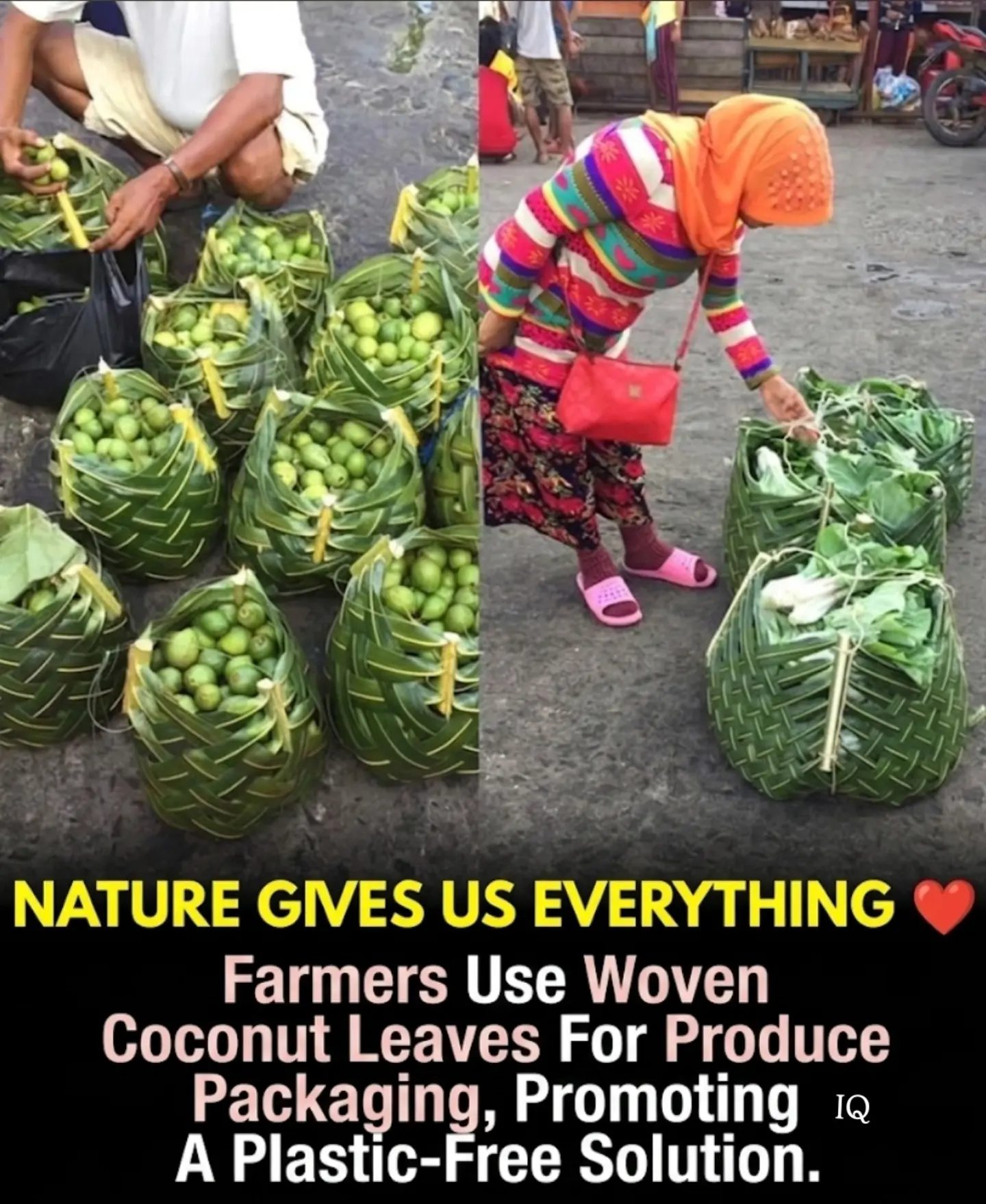
Coconut Leaf Packaging
Coconut leaf packaging, a natural and sustainable alternative to traditional plastic bags, is revolutionizing the way farmers package and transport fresh produce. This eco-friendly solution not only reduces waste but also supports local communities and enhances the freshness of fruits and vegetables.
Context / Why this matters
Plastic waste has become a significant environmental concern, with single-use plastic bags being a major contributor to landfill waste and ocean pollution. The production of plastic bags requires substantial energy and resources, and their disposal often leads to environmental degradation. Additionally, single-use plastic bags can take hundreds of years to decompose, further exacerbating the issue.
Coconut leaf packaging addresses these challenges by providing a biodegradable and compostable alternative. Farmers using woven coconut leaves for packaging produce are not only reducing their environmental footprint but also supporting a more sustainable and eco-friendly future.
The Benefits of Coconut Leaf Packaging
Biodegradable and Compostable
One of the most significant advantages of coconut leaf packaging is its biodegradability. Unlike plastic, which can take hundreds of years to decompose, coconut leaves naturally break down and return to the earth. This makes them an excellent choice for those looking to reduce their environmental impact.
Zero-Waste Production
The production of coconut leaf packaging is inherently zero-waste. There are no factories, chemicals, or energy-intensive processes involved. Instead, the leaves are harvested directly from the environment and hand-woven into baskets by skilled artisans. This not only reduces the carbon footprint associated with production but also supports local communities by providing a source of income.
Keeps Produce Fresh
Coconut leaf baskets are not just eco-friendly; they also help keep produce fresh for longer. The natural weave of the leaves allows for air circulation, which prevents moisture buildup and helps maintain the freshness of fruits and vegetables.
Empowers Local Communities
By valuing traditional skills and utilizing abundant natural resources, coconut leaf packaging supports local artisans and encourages the use of native materials. This not only helps preserve cultural heritage but also fosters economic development in rural communities.
Weaving the Future
The process of creating woven coconut leaf baskets is both an art and a science. It involves careful selection and preparation of the leaves, followed by meticulous weaving techniques. These baskets are not just functional but also aesthetically pleasing, adding a touch of nature to everyday packaging.
Selecting the Right Leaves
The quality of the coconut leaf baskets depends largely on the quality of the leaves used. Farmers typically select mature, strong leaves that are free from blemishes or damage. These leaves are then carefully cut and prepared for weaving.
The Art of Weaving
Weaving coconut leaves into baskets requires skill and patience. The leaves are woven together in intricate patterns, creating a sturdy and functional container. The open weave allows for natural air circulation, which helps keep the produce fresh by preventing moisture buildup.
Practical Tips for Using and Promoting Coconut Leaf Packaging
For Consumers
If you're interested in using coconut leaf packaging, look for local markets or artisans who specialize in this craft. Supporting local businesses not only helps the environment but also fosters a sense of community.
When purchasing produce packaged in coconut leaf baskets, be sure to check for any local regulations or guidelines for disposal. Most coconut leaf baskets can be composted or reused, making them a sustainable choice.
For Farmers and Producers
If you're a farmer or producer considering switching to coconut leaf packaging, start by researching local suppliers who can provide the necessary materials. Engage with artisans in your community to learn the craft and understand the benefits of using natural, renewable resources.
For Retailers and Shoppers
Encourage retailers to adopt coconut leaf packaging by highlighting its benefits to both the environment and local communities. Many shoppers are becoming more conscious of their environmental impact and may be willing to pay a premium for sustainable packaging solutions.
Important Takeaways
Coconut leaf packaging is more than just a trend; it's a practical and sustainable solution to the plastic waste problem. By using natural, renewable resources, we can reduce our environmental footprint and support local communities.
Conclusion
Coconut leaf packaging offers a refreshing alternative to traditional plastic bags. Its benefits, including biodegradability, zero-waste production, and the support of local artisans, make it an attractive option for those looking to adopt more sustainable practices. Whether you're a consumer, farmer, or retailer, embracing coconut leaf packaging can be a step towards a more eco-friendly future.
Watch the Reel
Questions readers ask
What are the benefits of using coconut leaf packaging for farmers?
Coconut leaf packaging helps farmers reduce their plastic waste, which is beneficial for the environment and can lead to cost savings on packaging materials. Additionally, it supports local communities by providing a market for coconut leaves and can enhance the freshness and appeal of produce, making it an attractive choice for customers seeking eco-friendly options.
How does coconut leaf packaging compare to plastic bags in terms of environmental impact?
Coconut leaf packaging is biodegradable and compostable, unlike plastic bags which can take centuries to decompose. By using coconut leaves, farmers can significantly reduce their contribution to landfill waste and ocean pollution, making it a more environmentally friendly packaging solution.
What types of produce are suitable for coconut leaf packaging?
Coconut leaf packaging is versatile and can be used for a variety of fresh fruits and vegetables. It is particularly effective for items that need good ventilation, such as leafy greens, citrus fruits, and root vegetables.
How can farmers transition to using coconut leaf packaging?
Farmers can start by sourcing coconut leaves from local suppliers or even growing their own coconut trees. They will need to invest in the right tools and techniques for weaving and shaping the leaves into packaging. Training and resources are available from various organizations promoting sustainable practices.
Is coconut leaf packaging as durable as plastic bags for transporting produce?
While coconut leaf packaging may not be as durable as plastic bags, it offers sufficient protection for short to medium transportation distances. For longer journeys, farmers might need to use additional protective measures, such as wrapping or combining with other natural materials.
How does coconut leaf packaging support local communities?
By using coconut leaf packaging, farmers create a demand for coconut leaves, which can provide additional income streams for local coconut farmers and leaf weavers. This supports local economies and encourages the growth of sustainable, nature-based industries.
Can consumers compost coconut leaf packaging at home?
Yes, coconut leaf packaging is fully compostable and can be disposed of in home compost pits. It breaks down naturally over time, returning nutrients to the soil and reducing waste sent to landfills.
Related deep dives
Similar reads based on topic and creator.

Recent articles
Fresh deep dives from the latest Reels we unpacked.




Comments
Be the first to comment.