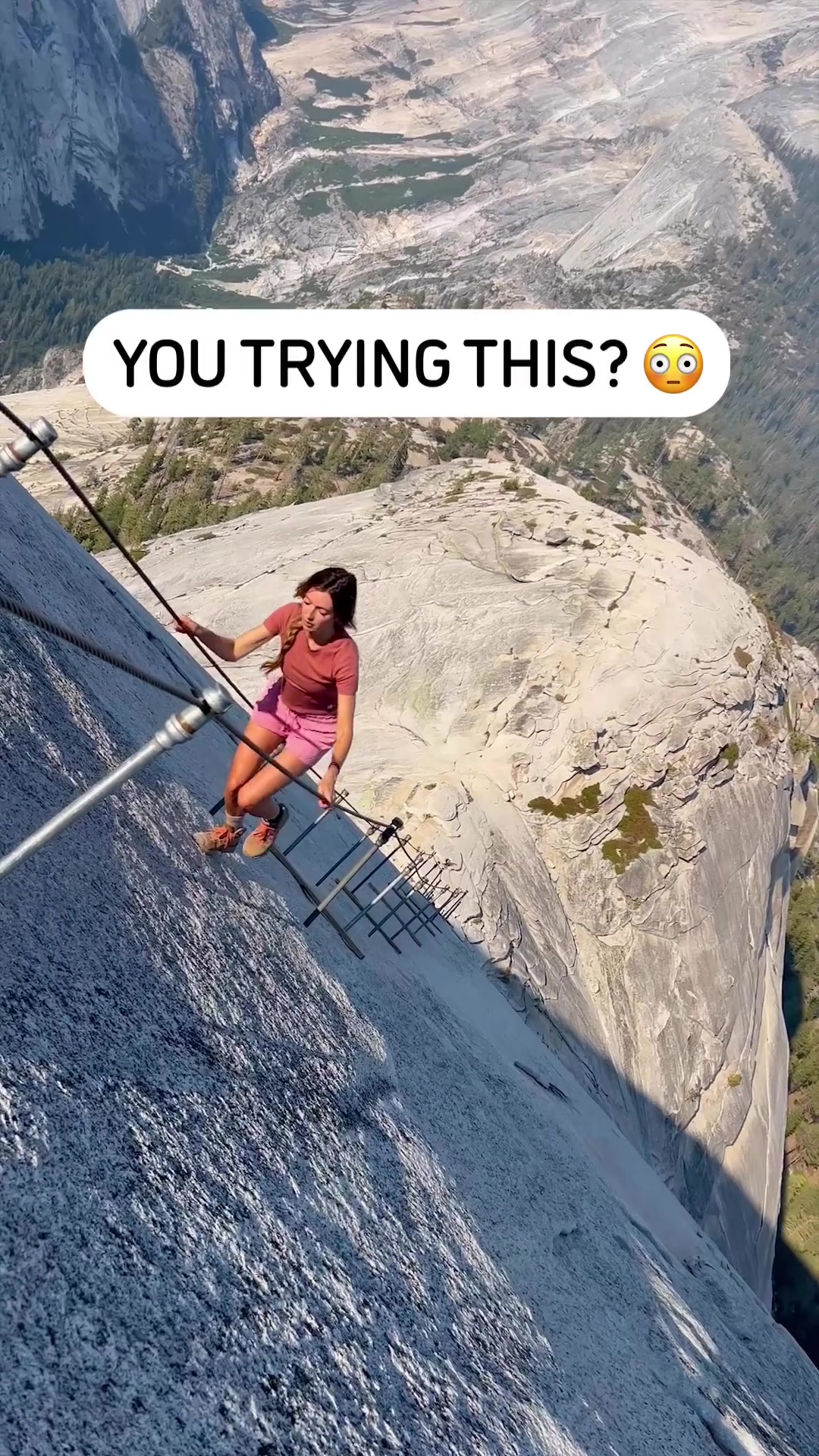
For the thrilled hiker, there’s more than just the trail – the thrill of skirting steep cliffs and navigating narrow paths. That’s where extreme hiking enters the picture, challenging the norms of conventional hiking with dramatic routes and vertical adventures.
Extreme Hiking Exposed
Extreme hiking is the most challenging corner of the hiking world – going beyond the typical trails to offer thrilling vistas with a stomach-churning dose of risk. Often defined by the use of special equipment, steep and often vertical terrain, and a focus on scenic rewards over safety, extreme hiking pushes the limits of human endurance and comfort. Extreme hiking is not just about walking on rugged terrain, but about climbing, traversing, and sometimes even crawling along rock faces, narrow ledges, and cliffs. Equipment like ropes, cables, and narrow metal walkways differentiate it from traditional hiking. It is an activity for those unafraid of heights, and the type of gear which makes this challenging but fun. The climbs are often up steep rock faces, with dramatic drop-offs and vertigo-inducing heights. Unlike trail hiking, where the goal is usually reaching a scenic overlook or summit, the core attraction of extreme hiking is the journey itself. Making careful progress along a narrow ledge or navigating a particularly tricky section of rock face provides a rush far beyond a typical hike. Extreme hiking is not about reaching a destination but about the journey itself, and the physical challenges along it.
The mountains’ other calling
In a world grappling with sedentary lifestyles and disconnected urban life, adventure sports are thriving. Traditional hiking, backpacking, and camping appeal to a broad audience for their accessibility, but extreme hiking targets adrenaline junkies seeking more. Extreme hiking is appealing to thrill-seekers who want to push their limits and conquer challenges that go beyond the norm. It pushes the boundaries of what people can achieve, making it appealing to those seeking a more rigorous, challenging, and often perilous experience. Extreme hiking’s appeal comes from its intense physical and mental demands. For thrill-seekers, the physical exertion and mental focus required to navigate the challenging terrain offer a unique rush. Like other extreme sports, it provides a sense of accomplishment. Extreme hiking offers a heightened level of mental stimulation and physical challenge compared to other outdoor activities, such as regular hiking or walking. It also connects individuals to nature in an immersive and intense way. The art of the dangling rope is as much about the experience as the gear. Often seen as solo activities separating extreme hikers from their peers in the mainstream. Unlike conventional hiking, extreme hiking is not just about reaching a destination but understanding your surroundings, the gear, and yourself in a different way. The sport is also closely linked to thrill-seeking and adrenaline addiction. On the one hand, success in extreme hiking requires a deep understanding of the sport and is hazardous in terms of risking life. Extreme hiking pushes those who pursue it to their limits, one climb at a time.
The equipment that makes the climb
Hiking is often about balance and stability. But extreme hikers need more – ropes, cables, and narrow metal walkways. These tools are crucial to the extreme hiker, transforming otherwise impassable terrain into a manageable challenge. For those brave enough to attempt extreme hiking, these tools are essential and differentiate it from conventional hiking. They are a crucial part of the experience, providing both safety and the allure of conquering seemingly impossible obstacles. Extreme hikers rely heavily on ropes, cables, and narrow metal walkways, especially for steeply inclined hikes and cliff faces. These tools provide stability and safety. Each piece of equipment serves a specific purpose in the climb: ropes for securing against falls, cables for traction, and walkways for stability. The variety of equipment used in extreme hiking reflects the complex and diverse nature of the terrain. And the sense of achievement from overcoming obstacles like these, such as climbing a steep rock face with a combination of ropes, cables, and a narrow metal walkway.
The narrow way
One major difference between extreme hiking and other forms is the terrain they use. Unlike typical hiking trails, extreme hiking routes often involve navigating steep, narrow, and sometimes vertical terrain, providing a thrilling sense of accomplishment. Extreme hiking often involves climbing on these steep rock faces, narrow ledges, and cliffs. To negotiate these routes, extreme hikers require a specialized set of skills and equipment. For example, navigating a steel walkway that hugs the side of a steep mountain can require balance and concentration. Challenging routes often involve navigating steep rock faces and cliffs, requiring both physical and mental stamina. The dramatic and immersive nature of extreme-hiking terrain generates a sense of awe and excitement. But draws extreme hikers to it precisely to experience the rush of being close to danger. Riders must navigate their way through the harsh elements of nature to make their adventure successful, leading them to an experience beyond their wildest imaginations.
The balance of danger
Extreme hiking is not counted as a sport and thrills. Extreme hiking inherently involves danger, balancing the thrill of adventure with the risk of injury or worse. And there’s a reason why extreme hiking is known for giving even experienced adventurers pause. The most significant risk in extreme hiking comes from the terrain itself, which may be unpredictable and hazardous. It also is reliant on ropes, which could easily snap at any moment. Extreme hikers must remain acutely aware of their surroundings and the potential dangers at every step to ensure their safety.
Your first climb
If extreme hiking’s risks or rewards interest you, know your limits and prepare well. Here are the essential elements for your first extreme hike:
- Get fit: Build your physical strength and endurance through regular exercise, focusing on leg and core strength, endurance, and cardiovascular fitness. Extreme hiking demands a high level of physical fitness.
- Learn essential skills necessary for extreme hiking, including:
- Climbing: Learn basic climbing techniques and safety protocols. This will help you navigate steep terrain and cliffs safely and efficiently.
- Self-rescue: Learn self-rescue techniques in case of an accident or injury. This includes basic first aid, and how to safely descend from a cliff or a steep face.
- Navigation: Familiarize yourself with navigation tools and techniques, such as using a map and compass, to stay on track and find your way back if you get lost.
- Weather: Understand how to predict and prepare for changing weather conditions, which can significantly impact your hike.
- Equipment: Know how to use and maintain your gear, including ropes, harnesses, and carabiners.
- Proceed Gradually: Start with easier trails and gradually work your way up to more challenging routes as your skills and confidence improve.
Extreme hiking’s lesson
Extreme hiking combines the thrill of adventure and the beauty of nature. But also invites risks that can lead to injury or even a fatal fall. And thrill-seekers will surely find the edge of the trail an exhilarating place to be.
Watch the Reel
Questions readers ask
What kind of equipment do I need for extreme hiking?
Extreme hiking often requires special gear like ropes, cables, and narrow metal walkways. These tools help you navigate steep and vertical terrain, but they also add to the thrill and challenge of the activity. It's essential to be comfortable with this equipment before venturing out, as it can be crucial for your safety.
How does extreme hiking differ from traditional hiking?
While traditional hiking focuses on reaching a scenic overlook or summit, extreme hiking is all about the journey itself. It involves climbing, traversing, and sometimes crawling along rock faces and narrow ledges. The core attraction is the physical and mental challenge of navigating these dramatic routes, not just the destination.
What kind of physical and mental demands does extreme hiking place on participants?
Extreme hiking is incredibly demanding both physically and mentally. It requires a high level of endurance, strength, and balance to navigate steep and vertical terrain. Mentally, it demands intense focus and the ability to manage fear and anxiety, especially when dealing with vertigo-inducing heights and dramatic drop-offs.
Is extreme hiking a solo activity, or can it be done in groups?
While extreme hiking can be done in groups, it is often seen as a solo activity. This is because it requires a deep understanding of the sport and the gear, as well as a high level of self-reliance. However, some extreme hikers do enjoy the camaraderie of tackling these challenges with friends or guides.
What makes extreme hiking appealing to thrill-seekers?
Extreme hiking appeals to thrill-seekers because it pushes the boundaries of what people can achieve. The intense physical exertion, mental focus, and the rush of navigating challenging terrain offer a unique sense of accomplishment. It also provides a heightened level of mental stimulation and physical challenge compared to other outdoor activities.
What is the appeal of extreme hiking over other adventure sports?
Extreme hiking stands out due to its intense physical and mental demands, as well as the immersive connection to nature it provides. Unlike other adventure sports, extreme hiking is about understanding your surroundings, the gear, and yourself in a different way, offering a unique blend of thrill and self-discovery.
What are the risks associated with extreme hiking?
Extreme hiking is inherently dangerous due to the steep and vertical terrain, dramatic drop-offs, and the need for specialized equipment. It requires a deep understanding of the sport and a high level of self-reliance. The risks include falls, injuries, and the potential for life-threatening situations, making it crucial for participants to be well-prepared and experienced.
Related deep dives
Similar reads based on topic and creator.




Recent articles
Fresh deep dives from the latest Reels we unpacked.




Comments
Be the first to comment.