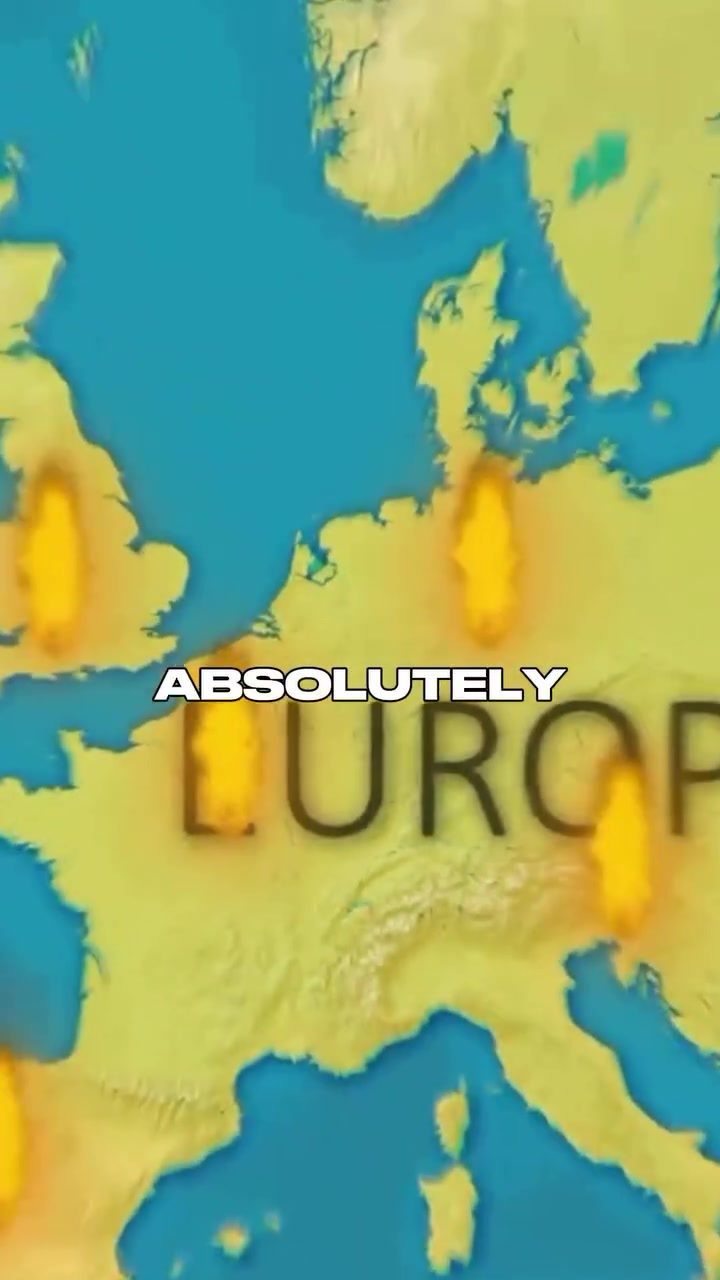
Europe's Peak Heatwave and Its Devastating Consequences
Europe is currently experiencing an unprecedented heatwave, with hundreds of daily temperature records being broken across the continent. This extreme weather event is not just a momentary discomfort but a stark indicator of the continent's vulnerability to climate change.
Why This Matters
The heatwave's impact extends far beyond individual discomfort, affecting public services, infrastructure, and public health across Europe. Schools are closing, public events are being canceled, and hospitals are facing disruptions as they struggle to manage the influx of heat-related illnesses. The situation underscores the urgent need for Europe to adapt its infrastructure to cope with rising temperatures.
The Heatwave in Context
Public Service Disruptions
The heatwave has led to widespread disruptions in public services. In France, for instance, half the country was placed on red alert, with 135 heat records broken in a single day. Public schools have had to close their doors, and hospital appointments have been cancelled. The UK is also feeling the heat, with temperatures hitting 34.6° Celsius, leading to reduced rail speeds. In Spain, the weather agency issued warnings of extraordinary danger, while Italy declared a red alert in at least 15 cities. These disruptions are a stark reminder of how ill-prepared Europe is for such extreme weather events.
Infrastructure Challenges
Europe's infrastructure is not equipped to handle such high temperatures. Over 80% of the continent lacks adequate air conditioning, making it difficult for people to cool off during the day. This lack of cooling systems is a significant factor in the increased drowning deaths as people resort to swimming in rivers to escape the heat. In just five days, France saw 40 drowning deaths, highlighting the dire consequences of inadequate cooling infrastructure.
Health Risks
The heatwave poses significant health risks, especially for vulnerable populations. Hospitals across Europe are overwhelmed with heat-related illnesses, and several people have drowned in Germany and France over the weekend. The UK has issued a red health alert, warning of the risk to life even for healthy individuals.
Public Safety Measures
Alcohol Restrictions
In response to the heatwave, many regions have imposed alcohol restrictions to prevent heat-related health issues. Alcohol can exacerbate dehydration and heat exhaustion, making it a significant risk factor during extreme heat events.
Official Warnings
Governments across Europe have issued various warnings and restrictions to help people stay safe during the heatwave. In the UK, for example, reduced rail speeds were implemented to ensure safety during the extreme heat. These measures are crucial in preventing heat-related accidents and fatalities.
Key Takeaways
- Extreme weather events like heatwaves are becoming more frequent and severe, highlighting the urgent need for Europe to adapt its infrastructure.
- Disruptions in public services and infrastructure challenges are significant consequences of the heatwave.
- Increased drowning deaths and health risks underscore the need for public safety measures and adequate cooling systems.
- Government warnings and restrictions are essential in mitigating the risks associated with extreme heat.
Conclusion
The current heatwave in Europe is a wake-up call for the continent to adapt and prepare for more frequent and severe weather events. The disruptions in public services, infrastructure challenges, and health risks are stark reminders of the urgent need for action. By implementing adequate cooling systems, enforcing public safety measures, and issuing timely warnings, Europe can better cope with the consequences of extreme heat.
Watch the Reel
Questions readers ask
What should I do if I experience signs of heat exhaustion or heatstroke during the heatwave?
If you or someone else experiences symptoms like dizziness, nausea, or high fever, move to a cooler place immediately, hydrate, and use cool compresses. If symptoms are severe, seek medical attention promptly. Heatstroke is a medical emergency.
Why are so many daily temperature records being broken in Europe?
Europe is experiencing unusually high temperatures due to a combination of factors, including climate change, persistent high-pressure systems, and atmospheric patterns. These conditions make heatwaves more frequent and intense.
How are hospitals in Europe being affected by the heatwave?
Hospitals are overwhelmed by an influx of patients suffering from heat-related illnesses, such as dehydration, heat exhaustion, and heatstroke. This surge in patients is straining resources and disrupting regular services.
What measures are being taken to address the heatwave in Europe?
Many regions have issued public health alerts and red alert warnings. Authorities are advising the public to stay indoors during peak hours, hydrate regularly, and check on vulnerable individuals. Some public services and events have been canceled or postponed to minimize risk.
How does the current heatwave compare to previous ones in Europe?
The current heatwave stands out due to its intensity and the sheer number of daily temperature records broken. It is affecting a wider geographical area and has led to more significant disruptions in public services and infrastructure compared to previous events.
What is the impact of the heatwave on public services in Europe?
Public services such as transportation, schools, and public events are being disrupted or canceled to ensure public safety. Authorities are also struggling to maintain essential services due to the strain on resources and the increased demand for healthcare.
Which countries in Europe are most affected by the heatwave?
While the heatwave is affecting most of Europe, countries like France have been particularly hard-hit, with temperature records being shattered and widespread disruptions to daily life. Other countries are also experiencing substantial impacts, with public health alerts and infrastructure challenges.
Related deep dives
Similar reads based on topic and creator.

Recent articles
Fresh deep dives from the latest Reels we unpacked.




Comments
Be the first to comment.