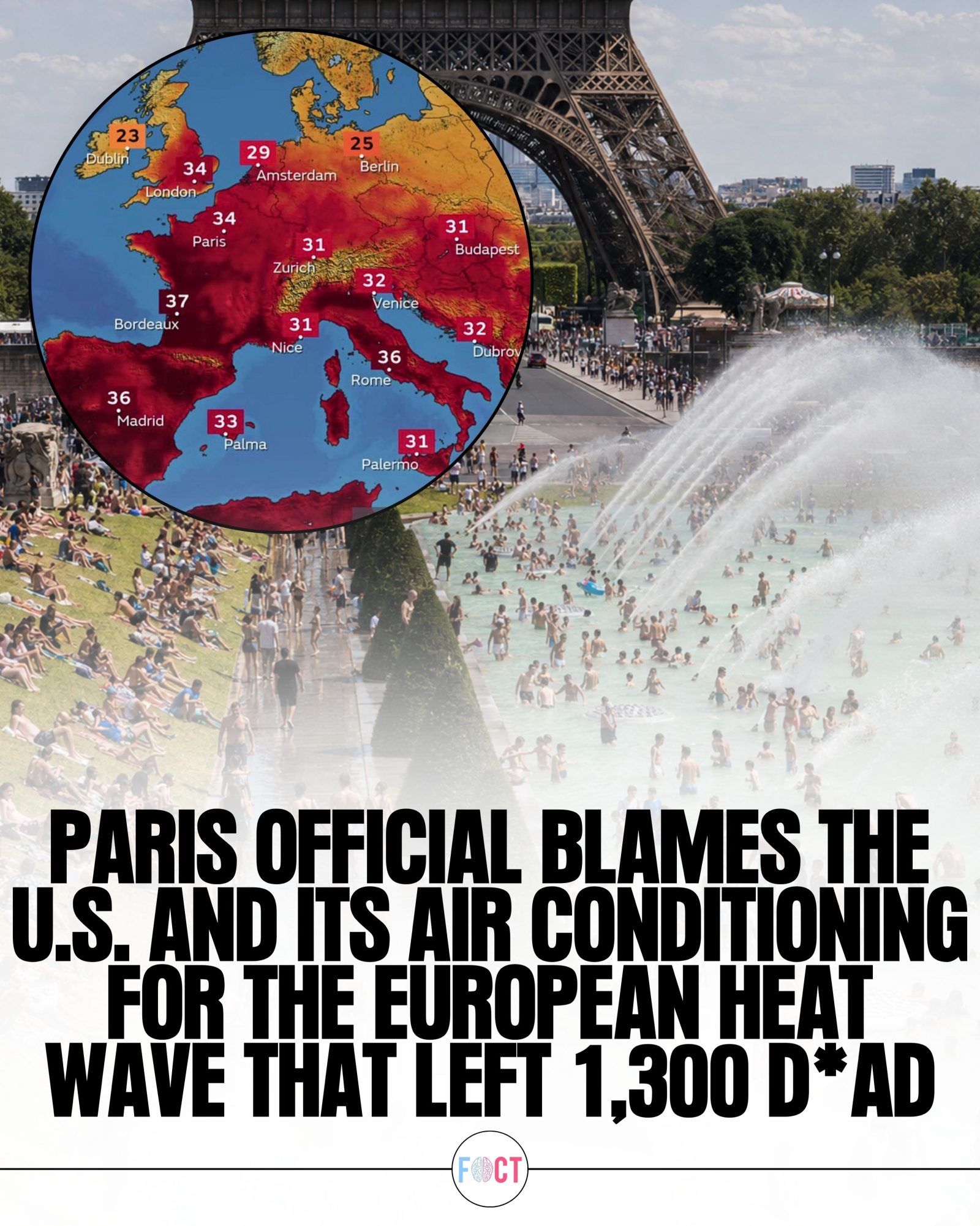
Heatwaves and Air Conditioning: The Global Impact
The debate around air conditioning and its role in heatwaves has become a contentious topic, especially after comments made by Paris Deputy Mayor Audrey Pulvar. She pointed to the widespread use of air conditioning in the United States as a significant contributor to the deadly heatwaves sweeping across Europe. Pulvar's comments came after American tourists criticized France’s limited access to air conditioning, highlighting a broader debate about climate change, international responsibilities, and adaptation measures.
Context / Why This Matters
The long-lasting intensity and breadth of recent heatwaves across Europe are not just environmental phenomena. They are an increasing public health risk, as evidenced by the 1,300 heat-related deaths. This is compounded by the intense debate around air conditioning, which is at the forefront of discussions about climate change, environmental responsibility, and the need for adaptation.
Main Discussion
The Role of Air Conditioning
Air conditioning units are essential for maintaining comfortable indoor temperatures, especially during heatwaves. However, they also contribute to greenhouse gas emissions, both in their production and use. Pulvar's comments suggest a link between the extensive use of air conditioning in the U.S. and the intensification of European heatwaves.
Air conditioning units, particularly those that use hydrofluorocarbons (HFCs), are significant contributors to global warming. These gases have a high global warming potential, trapping heat in the atmosphere more effectively than carbon dioxide. This means that as more people rely on air conditioning, the demand for these units increases, leading to higher emissions and potentially exacerbating heatwaves.
The Heatwave Crisis in Europe
Europe has been experiencing some of the most severe heatwaves on record, with temperatures soaring above 104°F in parts of France. This extreme weather has led to a significant number of heat-related deaths, creating a pressing need for effective adaptation measures. Governments across the continent are challenged to protect both residents and tourists from the adverse effects of these heatwaves.
The Debate on Climate Responsibility
The debate over climate responsibility has intensified in light of Pulvar’s comments. It raises questions about who is accountable for the rising greenhouse gas emissions and the consequent environmental changes. Some argue that countries with higher emission levels, like the U.S., should take more aggressive measures to reduce their carbon footprint. Others suggest that international cooperation is necessary to address the issue effectively.
A key point in this discussion is adaptation versus mitigation. While mitigation efforts aim to reduce greenhouse gas emissions, adaptation involves preparing for and coping with the effects of climate change. This includes measures like providing better access to air conditioning, improving urban green spaces, and updating infrastructure to withstand extreme temperatures.
Tourist Perspectives and Local Criticism
The conversation between tourists and local officials highlights the different perspectives on air conditioning. American tourists have criticized France for its limited access to air conditioning, noting that it makes travel during heatwaves uncomfortable. Pulvar, however, argues that the reliance on air conditioning is part of a broader problem that requires a more holistic approach.
The debate suggests a need for a balanced solution that considers both environmental impact and the immediate needs of the population. This could involve promoting energy-efficient air conditioning units and encouraging sustainable practices that reduce overall greenhouse gas emissions.
Health and Safety Concerns
Extreme heatwaves pose significant health risks, especially for vulnerable populations like the elderly, children, and those with preexisting health conditions. This has put additional pressure on healthcare systems, which now have to manage increased demand for services. Effective measures to mitigate the health impacts of these heatwaves are crucial, including providing adequate cooling solutions and ensuring the availability of medical support.
Public Awareness and Adaptation Strategies
Public awareness about the risks of air conditioning and the need for sustainable cooling solutions is essential. Educational campaigns and public health advisories can help communities understand the importance of reducing their reliance on air conditioning and adopting more sustainable practices. This includes measures like using fans, dressing in light clothing, and staying hydrated.
Practical Tips
When facing extreme heatwaves, the following tips can help mitigate their impact:
- Stay Hydrated: Drink plenty of water to prevent dehydration. Avoid alcohol and caffeine, which can dehydrate you.
- Seek Shade: Spend time in shaded areas or indoors during the hottest parts of the day. Use air conditioning if available, but ensure it is set at a moderate temperature to avoid excessive energy use.
- Dress Appropriately: Wear light, breathable clothing and avoid dark colors, which absorb heat.
- Stay Informed: Keep an eye on weather forecasts and public health advisories to stay updated on the latest information and safety measures.
- Support Vulnerable Groups: Check on elderly neighbors, friends, and family members to ensure they are safe and have access to cooling solutions.
Important Takeaways
- Environmental Impact: The extensive use of air conditioning can contribute to greenhouse gas emissions, exacerbating heatwaves.
- Adaptation Measures: Governments need effective measures to protect residents and tourists from the adverse effects of heatwaves.
- Climate Responsibility: The debate over climate responsibility highlights the need for international cooperation and aggressive mitigation efforts.
- Public Awareness: Educating the public on sustainable cooling solutions and the risks associated with extreme heatwaves can help communities adapt.
Conclusion
The debate surrounding air conditioning and its role in heatwaves underscores the complex interplay between environmental responsibility, public health, and adaptation strategies. As extreme heatwaves become more frequent and intense, it is crucial to balance immediate needs with long-term sustainability. By promoting energy-efficient cooling solutions, reducing reliance on air conditioning, and encouraging sustainable practices, communities can better prepare for future heatwaves and mitigate their impacts.
Watch the Reel
Questions readers ask
How does air conditioning contribute to global warming?
Air conditioning units, particularly those using hydrofluorocarbons (HFCs), release greenhouse gases that trap heat in the atmosphere, contributing to the overall warming effect. Additionally, the energy required to power these units, often from fossil fuel-based sources, further adds to the carbon footprint.
What did the Paris Mayor say about U.S. air conditioning usage?
Paris Mayor Audrey Pulvar suggested that the high usage of air conditioning in the U.S. shares part of the blame for the intensifying of European heatwaves, pointing to the greenhouse gas emissions from air conditioning units as a significant factor.
Why is the debate around air conditioning in Europe contentious?
The debate is contentious because while air conditioning provides relief during heatwaves, it also exacerbates global warming, which in turn intensifies these heatwaves. This creates a cycle that challenges public health and environmental sustainability, especially in regions where air conditioning is not as prevalent as in the U.S.
What are hydrofluorocarbons (HFCs) and why are they a concern?
Hydrofluorocarbons (HFCs) are a group of chemicals often used in air conditioning and refrigeration systems. They are a concern because, although they do not deplete the ozone layer, they have a high global warming potential and contribute to climate change.
How are European heatwaves linked to air conditioning usage in other countries?
The increased use of air conditioning in other countries, such as the U.S., contributes to global greenhouse gas emissions. These emissions trap heat in the atmosphere, which can exacerbate heatwaves in regions like Europe, creating a broader international impact on climate and weather patterns.
Related deep dives
Similar reads based on topic and creator.

Recent articles
Fresh deep dives from the latest Reels we unpacked.




Comments
Be the first to comment.