England’s Water Pollution Crisis
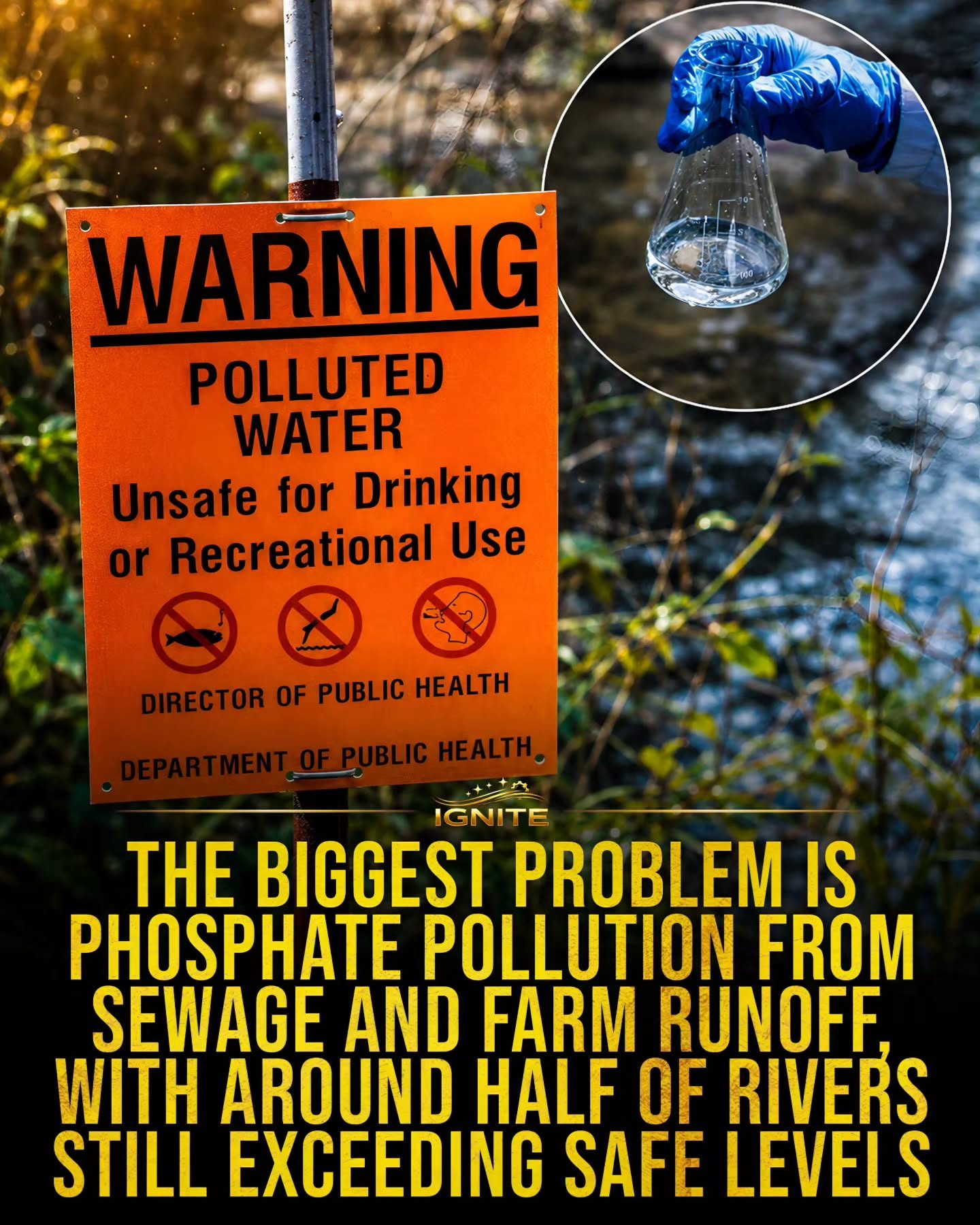
England's waterways are facing an unprecedented crisis. A recent Environment Agency review revealed a stark reality: only around 15% of rivers and fewer than 7% of lakes are in good ecological condition. This is not just an environmental concern but a public health issue, as no river, lake, or coastal water assessed passed the chemical pollution test. Phosphate pollution from sewage and farm runoff remains a significant problem, with around half of rivers exceeding safe levels.
Why This Matters
The state of England’s waterways is a critical issue that affects everyone. Water pollution can have severe impacts on human health, wildlife, and the overall ecosystem. Phosphate pollution, in particular, can lead to harmful algal blooms that deplete oxygen levels in water, creating dead zones where aquatic life cannot survive. This pollution also poses risks to recreational activities and the quality of drinking water.
Understanding the Problem
Sources of Phosphate Pollution
The primary sources of phosphate pollution in England’s waterways are sewage and farm runoff. Sewage from urban areas and agricultural runoff from farms both contribute to the high levels of phosphates in rivers and lakes. This problem is exacerbated by intensive farming practices and climate change, which can increase the frequency and severity of environmental issues.
The Impact on Water Quality
Phosphate pollution leads to excessive algae growth, which can be harmful to both humans and wildlife. Algal blooms can produce toxins that are dangerous to humans and animals. They can also deplete oxygen in the water, creating hypoxic conditions that are deadly to aquatic life. This ecological imbalance disrupts the delicate balance of marine and freshwater ecosystems, leading to a decline in biodiversity.
The Role of Climate Change
Climate change is intensifying the impact of phosphate pollution. Increased rainfall and storm events can wash more phosphate-laden runoff into waterways, exacerbating the problem. Rising temperatures can also accelerate the growth of algal blooms, making the situation even more dire. Campaigners warn that without significant intervention, the crisis could worsen, leading to irreversible damage to the country’s waterways.
The Government’s Response
The government has pledged £22 billion to improve waterways by 2030. This investment aims to address the root causes of water pollution and enhance the ecological health of rivers and lakes. The initiatives include stricter regulations on sewage discharge and agricultural practices, as well as increased monitoring and enforcement of environmental standards. These efforts are crucial for preventing further degradation and restoring the health of England’s waterways.
Practical Tips for Reducing Phosphate Pollution
While government initiatives are essential, individual actions can also make a significant difference in reducing phosphate pollution. Here are some practical tips to help mitigate the problem:
At Home
- Reduce Chemical Use: Minimize the use of phosphate-based detergents and fertilizers. Opt for eco-friendly alternatives that are less harmful to the environment.
- Proper Disposal: Ensure that household chemicals and medications are disposed of properly to prevent them from entering waterways.
- Conserve Water: Use water efficiently to reduce the volume of wastewater that needs to be treated.
In Communities
- Advocate for Green Spaces: Support the development of green spaces and wetlands, which act as natural filters for water, reducing the amount of phosphate that reaches waterways.
- Participate in Clean-Up Efforts: Join local community initiatives to clean up waterways and promote awareness about water pollution.
In Agriculture
- Sustainable Farming Practices: Encourage farmers to adopt sustainable practices that reduce the amount of phosphate and other pollutants in runoff. This can include using natural fertilizers and implementing buffer zones between fields and waterways.
- Monitoring and Reporting: Support programs that monitor water quality and report pollution incidents to the appropriate authorities.
Important Takeaways
- England’s waterways are in a critical state, with only a small percentage in good ecological condition.
- Phosphate pollution from sewage and farm runoff is a major contributor to this crisis.
- Climate change and intensive farming are exacerbating the problem.
- The government has pledged significant funds to address the issue, but individual and community efforts are also essential.
- Practical actions, such as reducing chemical use, proper disposal, and supporting sustainable practices, can help mitigate phosphate pollution.
Conclusion
The state of England’s waterways is a urgent concern that requires immediate and sustained action. By understanding the sources and impacts of phosphate pollution, and taking practical steps to reduce it, we can work towards restoring the health of our rivers, lakes, and coastal waters. The government’s pledge of £22 billion to improve waterways is a positive step, but it is up to all of us to make a difference. Whether at home, in our communities, or through advocating for sustainable farming practices, every action counts in the fight against water pollution.
Watch the Reel
Questions readers ask
What are the primary sources of phosphate pollution in England's waterways?
The main sources of phosphate pollution in England's waterways are sewage runoff and farm runoff. These sources often contain high levels of phosphates, which can lead to excessive nutrient enrichment in water bodies, causing harm to aquatic life and ecosystems. This pollution can also render waterways unsafe for recreational activities and drinking purposes.
How does phosphate pollution impact water safety for recreational activities?
Phosphate pollution can lead to harmful algal blooms, which deplete oxygen in the water and produce toxins that are harmful to humans and wildlife. Recreational activities such as swimming, fishing, and boating can be unsafe in polluted waters, leading to health risks such as skin irritation, gastrointestinal issues, and even neurological problems.
What percentage of England's rivers and lakes are considered to be in good ecological health?
According to a recent Environment Agency review, only about 15% of England's rivers and less than 7% of its lakes are in good ecological health. This highlights the severe impact of water pollution on the country's waterways, which poses significant risks to both public health and the environment.
Why is phosphate pollution a concern for safe drinking water in England?
Phosphate pollution can indirectly affect safe drinking water sources. Excessive phosphate levels in rivers and lakes can lead to the contamination of groundwater and reservoirs, which are essential for drinking water. The presence of harmful algal blooms, and the toxins they produce, can compromise the quality of safe drinking water and pose serious health risks to the public.
What are the implications of sewage runoff on England's waterways?
Sewage runoff is a significant contributor to phosphate pollution in England's waterways. It introduces high levels of phosphates and other contaminants into rivers, lakes, and coastal waters, leading to ecological degradation, harmful algal blooms, and unsafe conditions for recreational activities. This poses serious risks to public health and the overall water quality.
How does farm runoff contribute to the water pollution crisis in England?
Farm runoff is a major source of phosphate pollution in England's waterways. Agricultural activities often involve the use of fertilizers that contain high levels of phosphates, which can wash into rivers and lakes during heavy rainfall. This runoff leads to excessive nutrient enrichment, causing harmful algal blooms and ecological damage, and making waterways unsafe for various uses.
What are the potential health risks associated with phosphate pollution in waterways?
Phosphate pollution in waterways can lead to the proliferation of harmful algal blooms, which can produce toxins that pose significant health risks to humans. Exposure to these toxins can cause skin irritation, gastrointestinal issues, and in severe cases, neurological problems. Additionally, the depletion of oxygen in the water due to algal blooms can harm aquatic life, further impacting the ecosystem and public health.
Related deep dives
Similar reads based on topic and creator.

Recent articles
Fresh deep dives from the latest Reels we unpacked.




Comments
Be the first to comment.