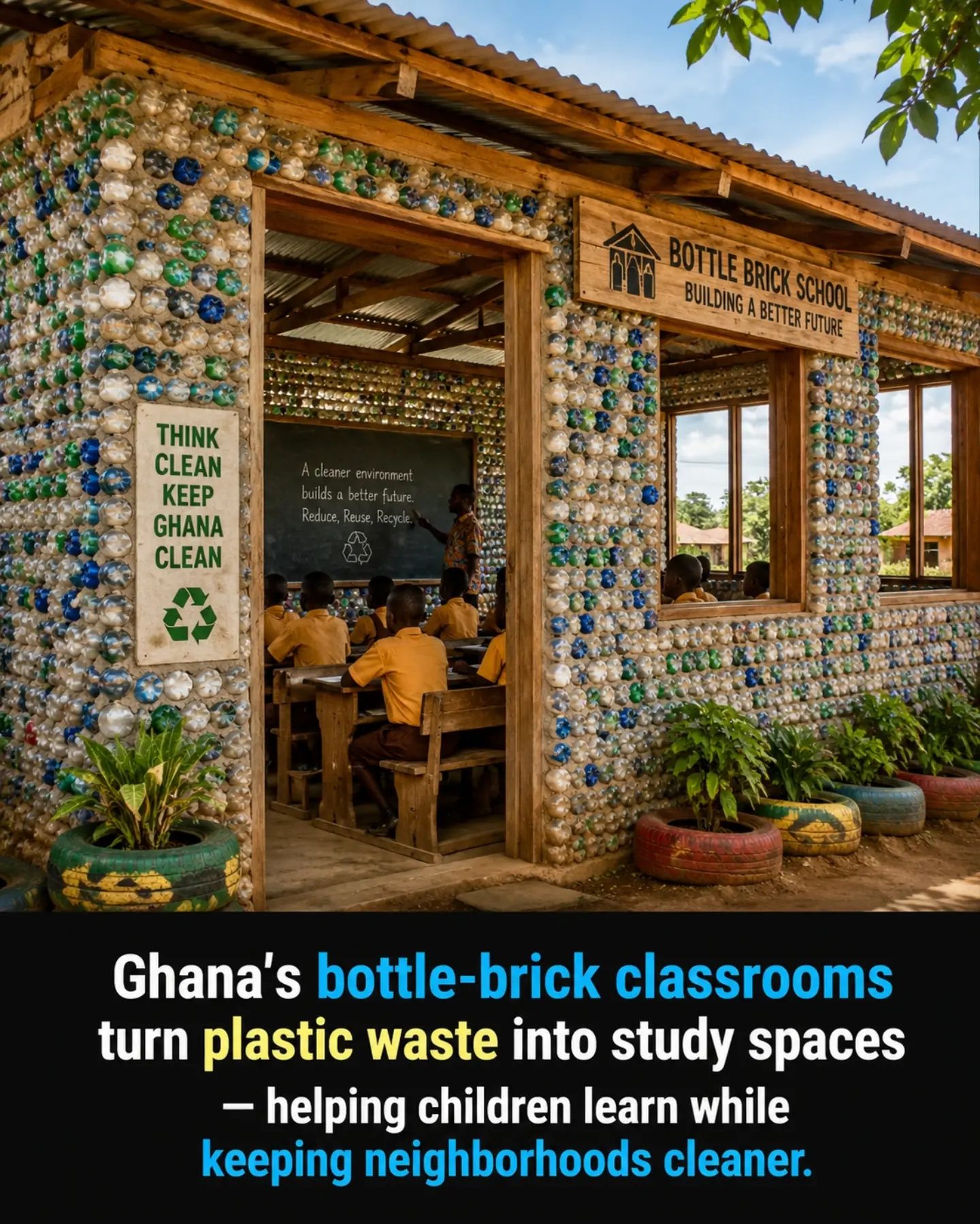
Bottle Brick Schools: A Sustainable Solution for Ghana
Bottle brick schools are a unique and environmentally friendly approach to addressing two critical issues: plastic waste and the need for educational infrastructure. This concept, which involves constructing buildings using plastic bottles as bricks, has gained attention for its innovative use of waste materials to create functional spaces.
Why This Matters
The construction of bottle brick schools in Ghana is not just an architectural novelty; it is a practical response to pressing environmental and social challenges. Plastic waste is a global issue, and Ghana is no exception. By repurposing discarded plastic bottles as building materials, these schools contribute to a cleaner environment while providing much-needed educational spaces.
The Concept of Bottle Brick Schools
What Are Bottle Brick Schools?
Bottle brick schools are buildings constructed using plastic bottles as the primary building material. This innovative approach involves filling plastic bottles with sand or other aggregates and using them as bricks to build walls. The bottles are then covered with a layer of plaster or mud to create a sturdy and durable structure.
The Process of Building a Bottle Brick School
Building a bottle brick school involves several steps:
- Collection of Plastic Bottles: The first step is to collect a large number of plastic bottles. These bottles are typically collected from local communities, reducing the amount of plastic waste in the environment.
- Filling the Bottles: The collected bottles are filled with sand or other aggregates to give them weight and stability. This step ensures that the bottles can be used as effective building materials.
- Construction: The filled bottles are arranged in layers to form walls. The walls are then reinforced with metal or wooden frames and covered with a layer of plaster or mud to create a smooth and durable surface.
- Finishing Touches: The final step involves adding windows, doors, and other necessary fixtures to complete the building.
Benefits of Bottle Brick Schools
Environmental Impact
One of the most significant benefits of bottle brick schools is their positive environmental impact. By repurposing plastic waste, these schools help reduce the amount of plastic that ends up in landfills or the environment. This not only helps clean up the environment but also promotes a culture of recycling and reuse.
Social Impact
Bottle brick schools also have a profound social impact. They provide much-needed educational spaces for children in communities where traditional school buildings may be scarce or unaffordable. By offering a clean and safe learning environment, these schools help improve access to education and support the academic development of children.
Economic Impact
The construction of bottle brick schools can also have economic benefits. The use of locally sourced materials and labor can create job opportunities and stimulate the local economy. Additionally, the reduced need for traditional building materials can lower construction costs, making it more affordable to build educational infrastructure.
Practical Tips for Building a Bottle Brick School
If you're interested in building a bottle brick school or supporting a similar initiative, here are some practical tips to get you started:
Community Engagement
Engage the local community in the collection of plastic bottles. This not only ensures a steady supply of materials but also raises awareness about the importance of recycling and waste management.
Sustainable Construction Practices
Use sustainable construction practices to minimize the environmental impact of the building process. This includes using eco-friendly materials and minimizing waste during construction.
Local Expertise
Leverage local expertise and resources to build the school. This can help ensure that the project is culturally sensitive and meets the specific needs of the community.
Funding and Support
Seek funding and support from local and international organizations. Grants, partnerships, and donations can provide the financial resources needed to build and maintain the school.
Maintenance and Upkeep
Regular maintenance and upkeep are essential to ensure the longevity of the bottle brick school. This includes repairing any damage, maintaining the building's cleanliness, and addressing any issues that arise.
Important Takeaways
Bottle brick schools are a sustainable and innovative solution to address plastic waste and the need for educational infrastructure. By repurposing plastic bottles as building materials, these schools contribute to a cleaner environment while providing much-needed educational spaces. The concept not only has environmental and social benefits but also offers economic advantages. If you're looking to make a positive impact, consider supporting or initiating a bottle brick school project in your community.
Conclusion
Bottle brick schools in Ghana are a testament to the power of innovation and community engagement. By turning plastic waste into functional and educational spaces, these schools promote a cleaner environment and support the academic development of children. With the right resources and support, bottle brick schools can be a model for sustainable development and environmental stewardship.
Watch the Reel
Questions readers ask
How are plastic bottles used to construct these schools in Ghana?
Plastic bottles are filled with inert materials like sand and are then used as bricks to build the walls of the schools. The bottles are tightly packed to ensure structural stability, creating a durable and eco-friendly building material.
What are the environmental benefits of using plastic bottles in school construction?
By repurposing plastic bottles, these schools help reduce plastic waste that would otherwise end up in landfills or pollute the environment. This initiative also promotes environmental cleanliness and awareness in communities.
How do bottle brick schools address the infrastructure needs in Ghana?
Bottle brick schools provide a cost-effective solution to the need for more learning spaces, especially in underserved areas. The use of recycled plastic bricks lowers construction costs, making it feasible to build more schools without compromising quality.
Can these schools withstand Ghana's climate and weather conditions?
Yes, the construction method is designed to be durable and resilient. The plastic bottles are reinforced with sand and other materials, and the structures are built to withstand Ghana's tropical climate, including heavy rains and high temperatures.
Can other countries adopt the bottle brick school model?
Yes, the concept of building schools from plastic bottles can be adapted to other countries facing similar issues of plastic waste and limited educational infrastructure. The method is simple and can be scaled up with proper planning and community support.
How do these schools benefit the local communities in Ghana?
In addition to providing much-needed learning spaces, these schools also create jobs for local residents involved in the construction process. They foster a sense of community ownership and environmental responsibility, contributing to long-term sustainability.
Related deep dives
Similar reads based on topic and creator.




Recent articles
Fresh deep dives from the latest Reels we unpacked.




Comments
Be the first to comment.