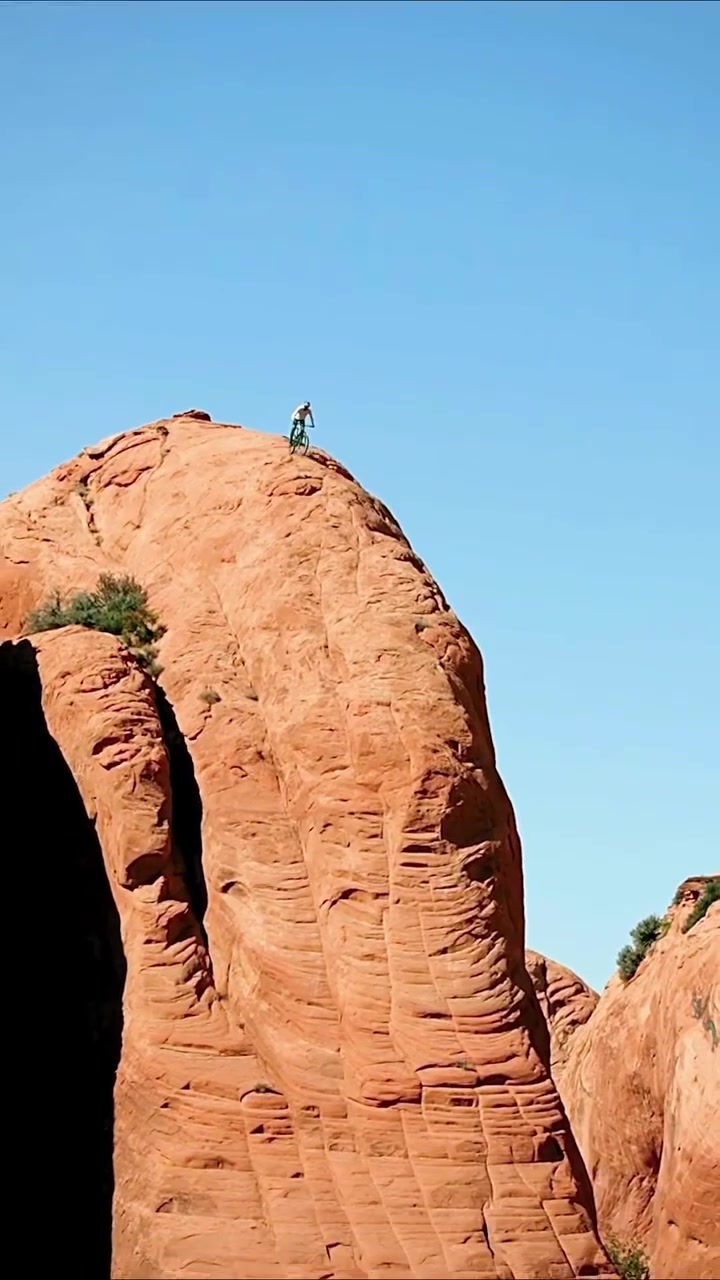
The red sandstone walls of the desert have long lured climbers with their geologic challenge and stark beauty. Mastering these ascents requires more than brute strength.
The vertical dance of rock climbing
Rock climbing is a physical and mental sport where participants, known as climbers, scale natural rock faces or artificial rock walls. It demands a blend of strength, flexibility, balance, and problem-solving. The distinctive feature of rock climbing is a climber's need for a combination of power and finesse. Because climbers carry their own weight, they are limited by their own strength, endurance, and the endurance of their hands and fingers. The challenge is to navigate routes that test the limits of what the body can do. Different climbing styles exist (most notably bouldering and sport and traditional outdoor climbing) based on the equipment used, but all climbers essentially climb upward, negotiating the rock face for the highest handhold or foothold. Off to the side of the vertical world are two key aspects of climbing: technical and mental. It is a sport that requires athletes to know their body and how it physically fits with the terrain around them. The psychological demands are also significant. Climbing can be broken down into two parts: the move, and the thinking about the move. The climber's relationship with the rock is a subtle dialogue. They observe the climb, sometimes rehearsing movements in their mind, before committing to the climb. Climbing becomes a thinking person's workout.
The desert as a climber's playground: A different challenge
For climbers, the deserts present a unique playground. The desert is a broad geographical area that receives extremely low levels of rainfall. Desert rock climbing is a practice that combines the technical and psychological aspects of the sport with the arid natural environment of the desert. It attracts climbers with its rock formations and harsh weather conditions. The desert is generally known for its rugged, barren, and inhospitable landscapes. The climber's ability to thrive in these harsh desert conditions is as important as one's ability to ascend steep rock faces. The desert provides climbers unique challenges. Extreme heat can lead to dehydration and heat exhaustion, which is a significant risk. These risks mean climbers must be more meticulous with hydration and dressing for the weather. Rock and sand can cause injuries; loose rocks, known as "choss", can be unstable. Climbers must be more careful with where they place their hands and feet. The desert routes are often more difficult than in other environments, due to the crumbly rock, offering less support for climbers. Despite these challenges, the beauty of the desert elevates the experience of climbing.
An ascent that tests strength and strategy
Adelaide's vertical adventure
The clip showcases a climber ascending a tall, red sandstone formation in an area that seems to be an arid desert. The natural environment of the desert presents a unique challenge for a climber. Even from a distance, the imposing red sandstone walls are a sight to behold. At this formation, the climber takes on the formidable challenge of scaling the steep rock face. The vertical ascent is arduous, requiring physical strength and mental tenacity. The climber navigates the route with precision, seeking out holds on the rock face and plotting the next move. The climber’s ascent is methodical, a mix of strength and strategy to overcome the steep, exposed rock face. As the climber progresses higher, the view of the surrounding desert landscape becomes increasingly panoramic and breathtaking.
Placing chalk in rock climbing
A climber applies chalk to their hands before ascending. This act gives them a better grip on the rock, creating friction that helps them grip onto a surface that is otherwise too smooth. Although chalk is widely used, there are different types of rock climbing chalk to choose from. The most common formation is in a block format. The chalk is often stored in a bag, and climbers regularly dip into it. Nowadays, chalk comes in liquid form, which some climbers favor.
Climbing outdoors: The sensory experience
Climbers navigate the vertical world using their hands and feet, but the sport is more than a physical challenge. The sensory experience of rock climbing is intense. The vertical nature of the sport gives climbers a unique perspective from above. From the summit, the world looks different. Colour and shape take on new dimensions in the vertical landscape. The climb is not only a physical challenge; it's also an emotional one. The view from the top is a hard-won reward, and the feeling of conquering a difficult route is both exhilarating and humbling.
Essentials for a desert climb
If you are looking to venture out on a climb, choosing the right equipment is key. When out climbing the desert:
- Helmet: Your helmet protects your head from any injuries in case of falling debris or a fall. Some helmets also provide protection from the sun.
- A good pair of climbing shoes: Climbing shoes are a piece of equipment that can make or break your climb. They provide the needed grip to the climber in order to navigate vertically. The shoes are designed with a sticky rubber sole that is flexible and grippy.
- A harness: Most climbers use a climbing harness to support their weight and provide a safety link to a rope or anchor. The chassis allows the climber to attach carabiners and gear after the climber has ascended the wall.
- A chalk bag: Chalk helps climbers by improving their grip.
- A water bottle, and don't forget to pack extra water, especially if you are climbing in a desert.
- Sunscreen: Make sure you wear sunscreen with at least SPF 30 to protect your skin from the harsh desert sun, as well as a hat, and a pair of sunglasses.
Watch the Reel
Questions readers ask
What makes desert rock climbing different from other types of rock climbing?
Desert rock climbing is unique due to the arid environment and the specific challenges it presents. The red sandstone formations are often crumbly and offer less support, while the extreme heat and loose rocks, known as 'choss,' require climbers to be more careful and strategic. Plus, the desert's harsh conditions demand extra attention to hydration and weather preparation.
What skills do I need to be a good desert rock climber?
To excel in desert rock climbing, you'll need a combination of physical and mental skills. This includes strength, balance, and endurance, as well as problem-solving and strategic thinking. You'll also need to be adept at navigating the unique challenges of the desert, such as extreme heat and unstable rock formations.
What kind of gear do I need for desert rock climbing?
The gear you'll need will vary depending on the specific type of climbing you're doing, but generally, you'll need a good pair of climbing shoes, a harness, a helmet, and a rope. For desert climbing, you'll also want to bring plenty of water, sun protection, and clothing that can handle extreme temperatures.
How should I prepare for the extreme heat while desert rock climbing?
Preparing for the extreme heat is crucial for desert rock climbing. Make sure to hydrate well before, during, and after your climb, and wear lightweight, breathable clothing that covers your skin to protect from the sun. It's also smart to climb during cooler parts of the day, like early morning or late afternoon, to avoid the peak heat.
What is the difference between bouldering and sport climbing in the desert?
Bouldering and sport climbing in the desert differ mainly in the equipment used and the type of climbs. Bouldering involves climbing shorter routes without ropes, focusing on power and technique. Sport climbing, on the other hand, uses ropes and harnesses for longer, more sustained climbs. Both styles are present in the desert, but the crumbly rock and extreme heat can make both more challenging.
What are some popular desert rock climbing destinations?
While the article doesn't specify destinations, popular desert rock climbing spots include places like Red River Gorge in Kentucky, Yosemite National Park in California, and the deserts of the American Southwest, such as Joshua Tree and Zion National Park. These locations are known for their stunning red sandstone formations and unique climbing challenges.
Are there any specific techniques I should use while climbing in the desert?
In the desert, it's important to be extra cautious with your foot and hand placements due to the unstable rock. Techniques like flagging (using your legs to maintain balance) and smacking (using your feet to test the stability of a hold) can be particularly useful. Additionally, taking frequent breaks to hydrate and rest in the shade can help manage the extreme heat.
Related deep dives
Similar reads based on topic and creator.


Recent articles
Fresh deep dives from the latest Reels we unpacked.

Comments
Be the first to comment.