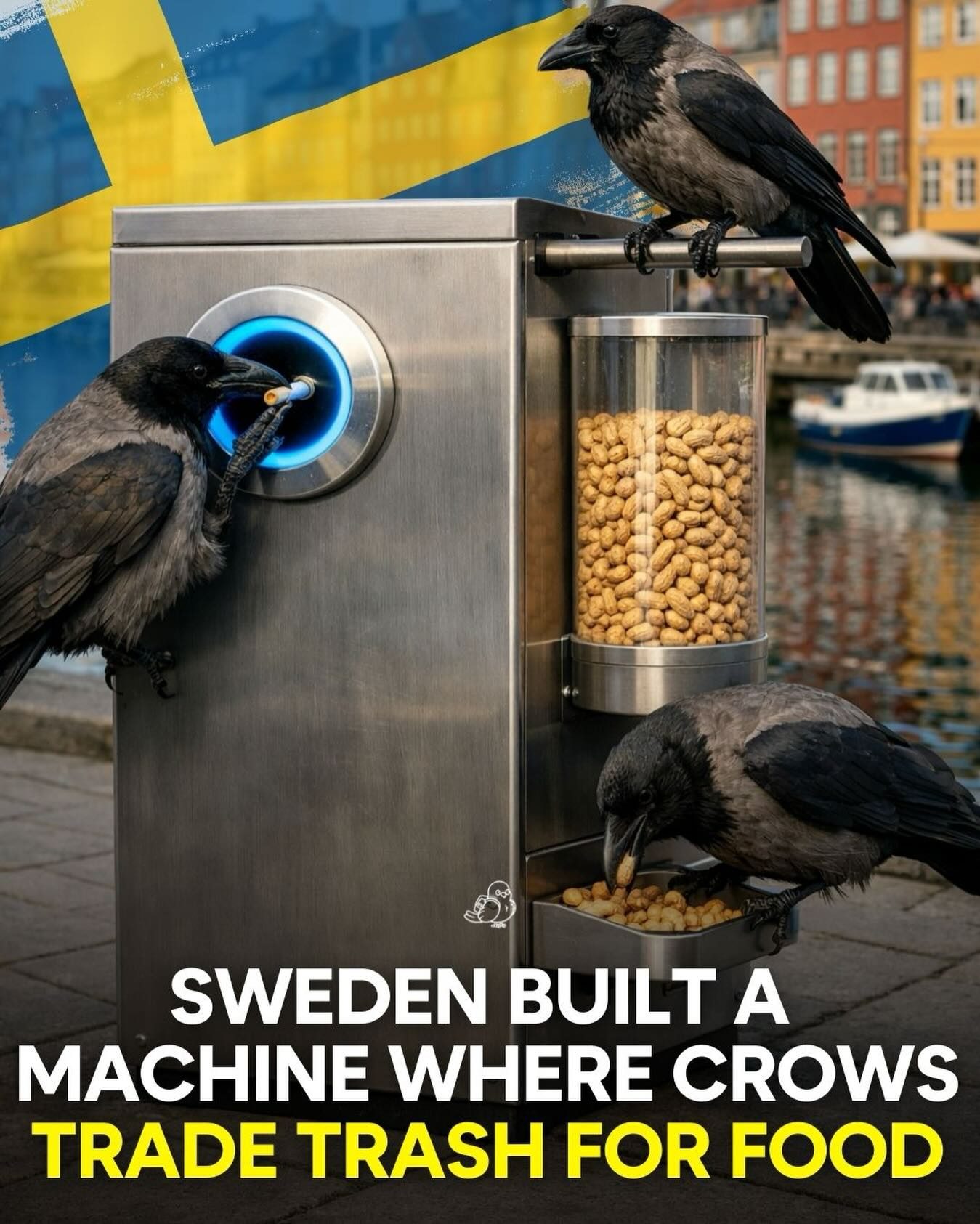
Automated Bird Feeders for Waste Management
Crows are known for extraordinary intelligence, and now, a startup is using this to help clean cities. The Swedish startup Corvid Cleaning developed an innovative machine that encourages crows to trade cigarette butts for food, merging cutting-edge technology and wildlife behavior to address environmental challenges. This unique project has sparked global interest and ignited debates about waste management and animal intelligence.
Why This Matters
Cigarette butts are a pervasive form of urban litter, often ending up in waterways and green spaces. In many cities, cigarette butts are one of the most common types of litter, posing a significant environmental threat. This innovative solution could potentially reduce litter and clean up urban areas, while also providing a deeper understanding of how to harness animal intelligence for environmental benefits.
Crow Intelligence and the Bird Feeder Concept
Crows, part of the corvid family, are known for their remarkable problem-solving skills, tool use, and memory. These birds are capable of learning and adapting to new tasks, which makes them ideal candidates for this kind of innovation. The automated bird feeder developed by Corvid Cleaning is specifically designed to leverage these skills. The machine dispenses food rewards in exchange for cigarette butts, encouraging crows to actively participate in waste management.
The Machine
The machine is located outdoors in Sweden, where it interacts with the local crow population. The device appears to be automated, with a mechanism to dispense food only when a cigarette butt is deposited. This design incentivizes the crows to collect trash, making them active participants in the cleanup effort.
How It Works
The machine uses a straightforward yet effective system. Crows are trained to drop cigarette filters into a specially designed device, which then releases a food reward. This process capitalizes on the crows' natural foraging behaviors and their ability to learn from positive reinforcement. The machine is designed to be durable and weather-resistant, ensuring it can withstand outdoor conditions and continuous use.
The Pilot Project
The pilot project in Sweden aimed to test the feasibility of using animals to manage urban waste. The initiative was experimental and limited in scope, focusing on controlled experiments where crows learned to deposit cigarette butts in the machine to receive food. This approach not only reduces litter but also provides a new perspective on how to integrate animal behavior into environmental solutions.
Success and Challenges
The project garnered both excitement and criticism. Supporters praised the innovation and potential environmental benefits, while critics questioned the long-term practicality and animal welfare considerations.
Pros:
- Reduces urban litter, particularly cigarette butts.
- Leverages animal intelligence for environmental solutions.
- Encourages creative thinking in waste management.
Cons:
- Long-term practicality is uncertain.
- Ethical considerations around animal welfare.
- Limited scope and experimental nature.
Practical Tips for Integrating Animal Intelligence in Waste Management
While the project in Sweden is experimental, it offers valuable insights into how animal intelligence can be integrated into waste management. Here are some practical tips for developing similar initiatives:
-
Understand Animal Behavior: Conduct thorough research on the target species to understand their natural behaviors and problem-solving skills. This ensures that the system is designed in a way that aligns with their instincts.
-
Positive Reinforcement: Use positive reinforcement to encourage the desired behavior. In this case, food rewards were used to incentivize crows to collect litter.
-
Durable Design: Ensure that the machines are durable and weather-resistant, capable of withstanding outdoor conditions and continuous use.
-
Monitor and Adjust: Continuously monitor the project's progress and make adjustments as needed. This could involve tweaking the design, changing the type of food reward, or adjusting the system based on animal behavior.
-
Ethical Considerations: Always prioritize animal welfare. Make sure that the system does not negatively impact the animals involved and that they are treated ethically.
Important Takeaways
-
Crows Are Smart: Utilizing the intelligence of crows and other corvids can lead to innovative solutions in waste management and environmental cleanup.
-
Innovation in Waste Management: Integrating animal behavior into waste management strategies offers a fresh perspective on tackling urban litter.
-
Importance of Ethical Considerations: While exploring new methods, always prioritize the well-being of the animals involved.
-
Environmental Solutions: Leveraging animal intelligence can contribute to creative and effective environmental solutions, potentially reducing the impact of urban litter.
Conclusion
Using crows to collect litter is an innovative way to tackle urban waste. This project in Sweden showcases how understanding and leveraging animal behavior can lead to effective and creative solutions. While the initiative faces challenges and ethical considerations, it opens the door to new possibilities in waste management and environmental conservation. The idea of using animal intelligence for environmental solutions is not only intriguing but also highlights the potential for interdisciplinary approaches to addressing environmental challenges.
Watch the Reel
Questions readers ask
How do crows contribute to waste management in Sweden?
Crows in Sweden are trained to collect cigarette butts and exchange them for food at automated bird feeders. This initiative, developed by a Swedish startup, helps reduce urban litter and keeps city streets clean.
What kind of machine is used to facilitate the crows' waste management tasks?
The machine that facilitates this process is an automated bird feeder designed by the startup Corvid Cleaning. It encourages crows to exchange the cigarette butts they find for food, incentivising their behaviour.
Why are crows particularly good at this task?
Crows are exceptionally intelligent and can be trained to understand and perform specific tasks. Their natural foraging behavior makes them well-suited for collecting litter in exchange for rewards.
What is the primary type of litter that the crows are targeting?
The primary type of litter targeted by this initiative is cigarette butts. These are one of the most common forms of urban litter and pose a significant environmental threat, often ending up in waterways and green spaces.
How does this program benefit the environment?
By reducing the number of cigarette butts on city streets, the program helps prevent these pollutants from entering waterways and green spaces, thereby mitigating some of the environmental impacts of urban litter.
Can this method be implemented in other cities outside of Sweden?
While the specific details may need to be adapted, the core concept of using intelligent birds like crows for waste management could potentially be implemented in other cities. The success in Sweden demonstrates that this approach is viable and could be replicated elsewhere.
Related deep dives
Similar reads based on topic and creator.

Recent articles
Fresh deep dives from the latest Reels we unpacked.




Comments
Be the first to comment.