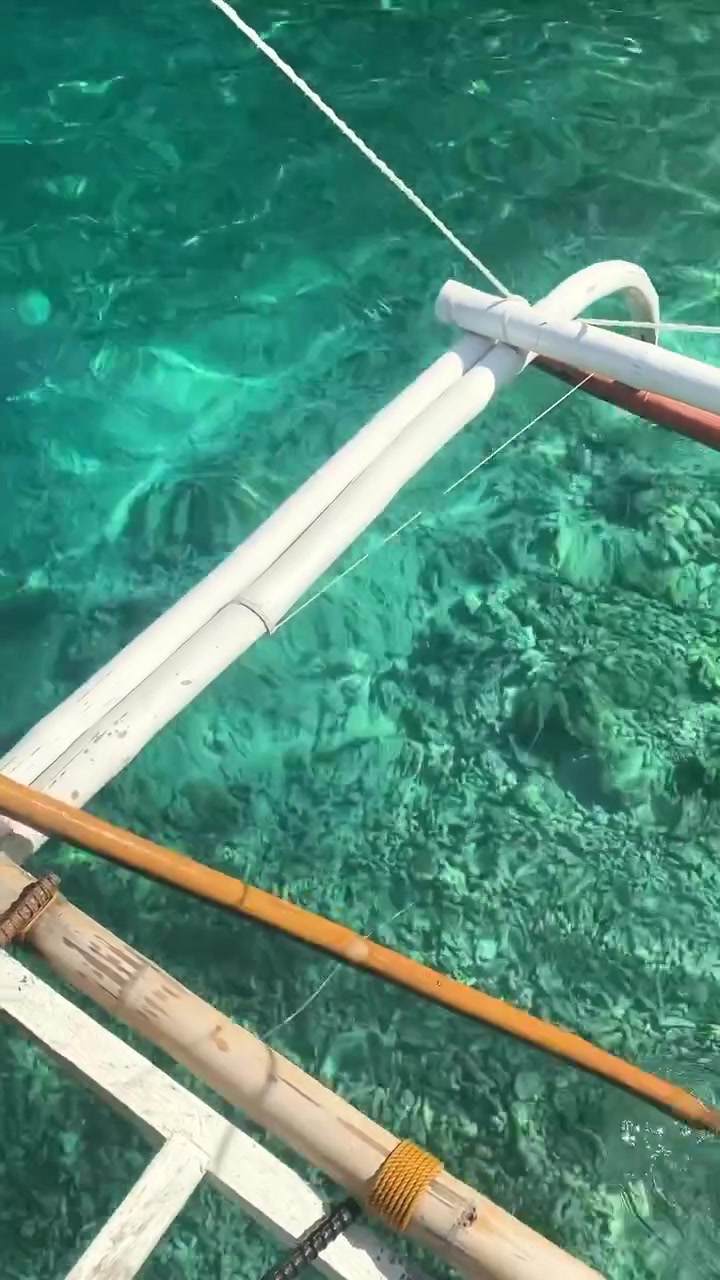
Coron, Philippines, a speck of paradise in Southeast Asia, is known for its breathtaking natural wonders. A crystal clear lagoon's waters acts as a mirror for the sky, while a traditional Filipino outrigger boat floats serenely on the surface. Sunset makes the water look shimmering. The Coron archipelago is a chain of over 50 islands guarded by turquoise beaches and shimmering seas. The region's natural features create a timeless, captivating atmosphere.
The Coron Chain: A Tapestry of Land and Sea
The Pueblo of Coron, a collection of islands in Palawan, is a tropical paradise defined by its turquoise waters, limestone formations, and dense jungles. The archipelago is part of the Philippines’ northernmost province, known for its pristine beaches, stunning lagoons, and vibrant coral reefs. These islands teem with life both above and below the surface, from the dense greenery teeming with wildlife to the underwater ecosystems thriving with coral and marine creatures. For many, its appeal also includes the outdoor activities and leisurely waterfront pleasures. Islanders have a creatively rich pastime: broken legends say a sunken Japanese treasure ship lies at the bottom of its waters.
Coron in Transition: Easing into Eco-Tourism
The beauty of Coron is now a tourism double-edged sword: as interest grows, environmental hazards increase. Mass tourism can endanger the natural habitat, particularly in fragile areas like the Marine Protected Areas, Coral Reefs, and the blue hole. For instance, the endangered Hawksbill Turtle, frequenting the area for food, shelter, and breeding, is threatened by littering or invasive fishing techniques — a reminder of the environment's vulnerability. Without mindful management, the area might be at risk of overcrowding, both above ground and underwater. The push for sustainable tourism is global — the Coron Tourism Office is spearheading efforts to combat this imbalance. Practices like zero-waste commitments, coral restoration efforts, and stringent guidelines for tour operators are part of the new narrative. The goal: to balance Coron’s assets with sustainable tourism. These eco-friendly guidelines are slowly changing the tourism narrative, ensuring that the beauty of Coron is preserved for generations. The real challenge lies in equipping residents and visitors alike with the knowledge and commitment to maintain the harmony between man and nature.
Coron in Full Glory
The Clear Waters of Twin Lagoon
The underwater perspective highlights a person's legs submerged in crystal clear waters. Sunlight filters through the water, creating a bright, shimmering effect and evoking a sense of tranquility and exploration. The Twin Lagoon is a captivating spot in Coron, Palawan. It is a natural pool with a narrow entrance and is a popular destination for snorkeling, swimming, and cliff diving. The clear water and the vibrant underwater life make Twin Lagoon a stunning getaway. The tranquil waters and the shimmering reflections of sunlight on the surface of the water generate a mystical atmosphere. A 2017 article highlights that “when the sun is up and shining brightly, its rays penetrate the water, allowing visitors to see the natural bedrock formations and foliage clearly. The spot is a gateway to several beautiful beaches and bays on the island as well.
The Sea’s Sweet Spot: Bracket Lake
From above, a circular formation is framed by bluish green hues. The Blue Hole, a 42-meter hole ringed by coral reefs, is a testament to nature's grandeur. The deep blue center of the hole contrasts sharply with the lighter turquoise and green hues of the surrounding reef, making it a favorite of divers and snorkelers alike. The Blue Hole's marine ecosystem supports a diverse and vibrant marine life, including the octopus, sea snake, and starfish. Coral reefs provide a habitat for many fish species and create a healthy ocean ecosystem. However, Climate change, pollution, and excessive tourism all threaten this ecosystem.
The Island's Hidden Charms: Limestone Formations
The aerial view showcases an array of towering limestone islands and turquoise waters. Lush greenery in the islands creates a striking contrast with the deep blue of the water. The islands of Coron have the world’s highest concentration of limestone formations in the world. These formations offer a unique ecosystem that supports a diverse environment. The islands are composed mostly of marble and limestone. The cliffs are home to different species of birds, reptiles, and insects. The islands also have hot springs, a testament to active magmatic processes beneath the surface.
Human Footprint
From the underwater view to the aerial view, the outrigger boats and huts peppering the islands add a human presence to these idyllic natural landscapes, and the view of the traditional Filipino outrigger boat highlights the islands' cultural heritage. These structures provide shelter for the local inhabitants and are important for preserving the area's cultural identity despite the influx of tourists.
When to Visit
Tourists often wonder whether the dry or wet season is better for Coron. The dry season, December to May, brings clear skies and calm seas. This period is ideal for snorkeling, island hopping, and exploring the area’s stunning landscapes. However, the wet season, June to November, is not as dire for travel as many make it out to be: The rain showers are usually short-lived, and the landscape stays fresh. This period can offer a more private experience.
Watch the Reel
Questions readers ask
What are the main attractions of Coron, Philippines, that make it a must-visit destination?
Coron is famous for its stunning natural beauty, including over 50 islands with turquoise beaches, shimmering seas, and crystal-clear lagoons. The region is also known for its vibrant coral reefs, diverse marine life, and unique limestone formations. Adventurers and nature lovers alike are drawn to its breathtaking landscapes and underwater ecosystems.
How does Coron balance tourism with environmental conservation?
Coron is actively transitioning into eco-tourism to protect its fragile ecosystems. The Coron Tourism Office is implementing measures like zero-waste commitments, coral restoration efforts, and guidelines for tour operators. The goal is to ensure that the natural beauty of Coron is preserved for future generations while still attracting visitors. The biggest challenge is educating both residents and visitors about sustainable practices.
What is the significance of the Twin Lagoon in Coron?
The Twin Lagoon is one of Coron’s most iconic spots, known for its crystal-clear waters and vibrant underwater life. It’s a popular destination for activities like snorkeling, swimming, and cliff diving. The lagoon’s narrow entrance and shimmering reflections create a serene and mystical atmosphere, making it a must-visit for anyone exploring Coron.
What are the environmental concerns facing Coron due to increased tourism?
As tourism grows, so do environmental hazards. Issues include littering, invasive fishing techniques, and overcrowding, which can endanger marine life and damage coral reefs. The endangered Hawksbill Turtle is one species at risk. To combat these issues, Coron is focusing on sustainable tourism practices to maintain the balance between tourism and environmental preservation.
What kind of activities can visitors enjoy in Coron?
Coron offers a mix of adventure and relaxation. Visitors can enjoy snorkeling, swimming, and cliff diving in spots like the Twin Lagoon. The region also provides opportunities for exploring dense jungles, vibrant coral reefs, and limestone formations. Additionally, the mysterious legend of a sunken Japanese treasure ship adds an element of intrigue to the islands.
Are there any specific guidelines or practices visitors should follow to help preserve Coron’s environment?
Visitors are encouraged to follow eco-friendly practices to help preserve Coron’s natural beauty. This includes adhering to zero-waste commitments, avoiding littering, and respecting marine life. By being mindful of their actions, visitors can contribute to the sustainability of Coron’s ecosystems and ensure that future generations can enjoy its wonders.
Related deep dives
Similar reads based on topic and creator.



Recent articles
Fresh deep dives from the latest Reels we unpacked.




Comments
Be the first to comment.