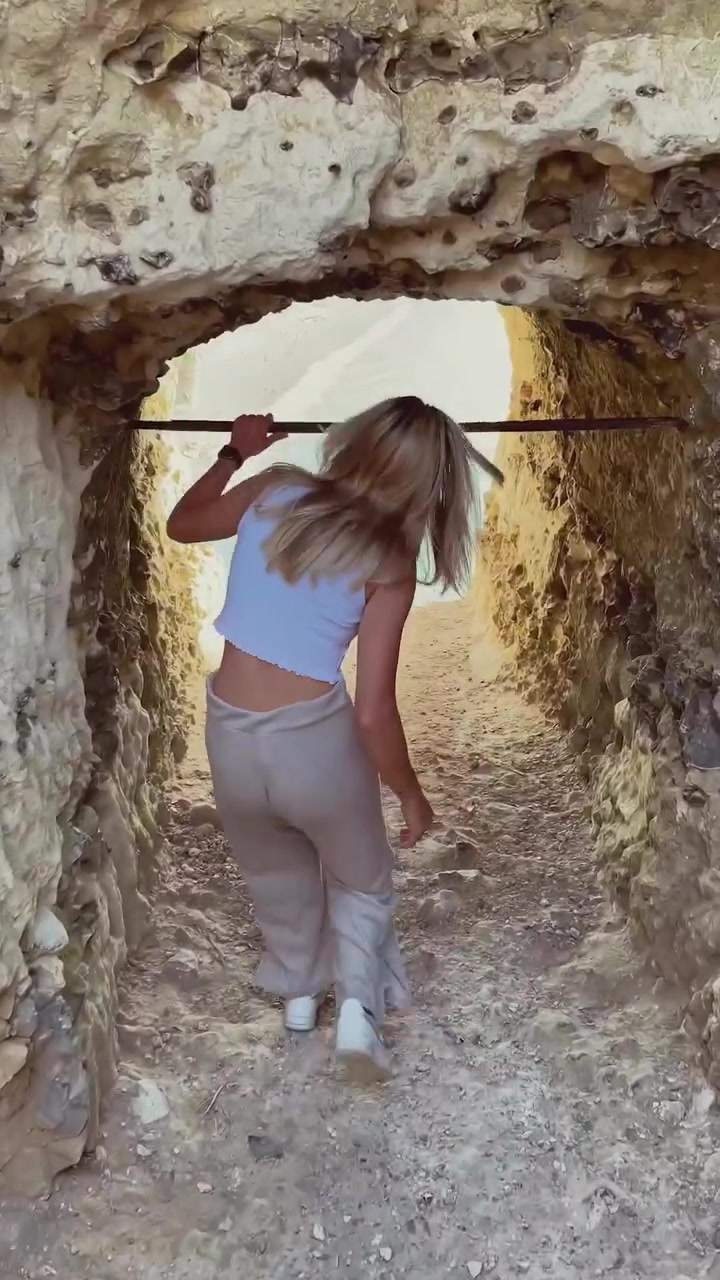
Carved Through Nature: The Tunnel to the Coast
The coastal scene is iconic: white cliffs plunging into turquoise water, a sandy beach lapped by gentle waves. But some coastlines hide a secret passage: a tunnel carved through the cliffside. The view when you emerge — the camera can't capture it all, but it's stunning. It's a coastline experience honed by the natural forces of wind and water, with one key human addition.
What is a Clifftop Coastal Tunnel
A coastal tunnel carved through a cliffside is an unusual geologic experience that combines the forces of erosion and human ingenuity. The tunnel is a passageway through a cliffside, revealing a hidden entrance to a beach. This dramatically reveals the beauty of the coastline. The condensed perspective of the tunnel contrasts — before you emerge — with the expansive, panoramic views of the coastline afterward. The process begins through natural erosion, carving out a hollowed path in the cliffside over millions of years. Eventually, the tunnel is formed, revealing that turbulent waters can carve out new vistas as powerfully as the relentless tides. What makes it distinctive? Along with the tunnels, are the dramatic white cliffs, contrasting with turquoise waters. The experience offers a walk through a narrow tunnel, then emerges onto a beach with stunning views. It is a balance between ancient geology and modern exploration. A coastal tunnel creates a sense of revelation and wonder. The tunnel sets up a contrast — the confined, dark passage to the expansive, bright beach. This creates an emotional response. The contrast provides the dramatic effect.
Beyond the Hidden Beach
Coastal tunnels draw both casual tourists and geology experts. They offer a glimpse of the natural forces that have been slowly shaping the landscape. The tunnel is a secret path to explore the power of the sea. Cliff tunnels aren't just a secret glitch in nature that people luckily visited; they're also a reason to admire natural power.
Rock and Wave
These tunnels are carved by nature, not by human hands, as they form due to the power of the waves. As the ocean continually meets the cliffs, water eventually wears down even the hardest stone. The tunnels start as shallow indentations, then gradually deepen and lengthen over time. The tunnels are not just narrow passages but also portals to another vista, adding to the drama of being underwater. It's a journey through a tunnel of rock and water. The ocean forces have created a safe space for visitors to explore a different landscape. As you emerge from the tunnel, the view opens up with natural beauty: the shimmering ocean water, the wispy clouds, and the white sands. The reveal of the beach through the tunnel is a subtle reminder of the powerful natural forces shaping the landscape.
The Tunnel Experience
This tunnel is not just a technical detail about erosion. It's an emotional experience. Entering the tunnel, you feel a sense of adventure, a bit of fear. The tunnel is dark and cool, contrasting the bright beach outside. You hear ocean sounds and see its blue hue. But when you emerge from the tunnel, your jaw drops. You have a newfound understanding of the landscape.
The Secret Path
The tunnel is usually small, narrow, hand-sized openings featuring a glistening cliff. This tiny entrance also opens into a vast ocean, contrasting with its hidden pathways. Once you walk through, the experience feels otherworldly as you go from darkness to vibrant light. The narrow tunnel amplifies the natural sounds of the ocean. The beach itself is equally captivating. The view at the end is breathtaking, with huge, dramatic cliffs, sparkling ocean water, and the concealed natural beauty.
When You Visit
If you venture to an area with coastal cliffs, look for signs of a tunnel. The sight of a hidden beach offers adventure and an adventure travel. The sight of a hidden beach through a coastal tunnel is breathtaking. With the right tools, you can even explore the tunnels for yourself. From this experience, you can connect with nature and comprehend the power of the ocean.
Bringing the outdoors in
 **Plan Ahead:** Research the location of coastal tunnels and plan your visit. Coastal tunnels are often found in scenic places, so check for weather conditions and local travel advisories.
 **Safety First:** Coastal tunnels can be narrow and slippery, so wear appropriate footwear and clothing. Always have a companion and carry a light source.
 **Respect Local Regulations:** Adhere to any rules or guidelines established for the area, such as closing times or restricted access periods.
The tunnel provides a thrilling adventure and the opportunity to experience the hidden power of the ocean.
Watch the Reel
Questions readers ask
How were these coastal tunnels formed, and how long does it take?
Coastal tunnels are formed through a process of natural erosion, where the relentless force of waves and wind gradually carve out passages in the cliffs over millions of years. This process starts with shallow indentations that deepen and lengthen over time, eventually forming a tunnel that leads to a hidden beach. The specific timeline can vary widely depending on the geological makeup of the cliff and the intensity of the erosion forces at work.
How many coastal tunnels are there around the world, and where can I find them?
The exact number of coastal tunnels around the world is not well-documented, as many are hidden or not well-known. However, these natural wonders can be found in various coastal regions, including Ireland, where the article mentions a tunnel in Dublin. Some other notable examples include the Blue Grotto in Italy, and the sea caves along the coast of Croatia. Researching specific coastal regions known for their dramatic cliffs and erosion can help you discover these hidden gems.
Is it safe to explore these coastal tunnels, and are there any precautions I should take?
Exploring coastal tunnels can be an exhilarating experience, but it's important to prioritize safety. Always check local guidelines and weather conditions before venturing into a tunnel. Be aware of tide schedules, as tunnels can become inaccessible or dangerous during high tide. Additionally, wear appropriate footwear and bring a light source, as tunnels can be dark and slippery. If you're unsure about the safety of a particular tunnel, consider going with a local guide or joining a guided tour.
What makes the coastal tunnel in Dublin, Ireland, unique compared to other similar features around the world?
The coastal tunnel in Dublin, Ireland, is unique due to its dramatic white cliffs contrasting with turquoise waters, creating an iconic coastal scene. The experience of walking through a narrow, dark tunnel and then emerging onto a bright, expansive beach with stunning views sets it apart. While other coastal tunnels may offer similar geological features, the specific landscape and emotional journey make the Dublin tunnel a distinctive experience.
Can I bring my camera to capture the moment of emerging from the tunnel, and will it do the view justice?
Bringing a camera is a great idea to capture the stunning views that emerge from the tunnel. However, be prepared for the challenge of capturing the full beauty of the scene. The article mentions that the camera can't capture it all, so consider taking multiple shots from different angles and distances. Additionally, be mindful of your surroundings and safety while taking photos, as the beach and tunnel environment can be unpredictable.
Related deep dives
Similar reads based on topic and creator.




Recent articles
Fresh deep dives from the latest Reels we unpacked.




Comments
Be the first to comment.