Climate Change and Its Far-Reaching Impacts
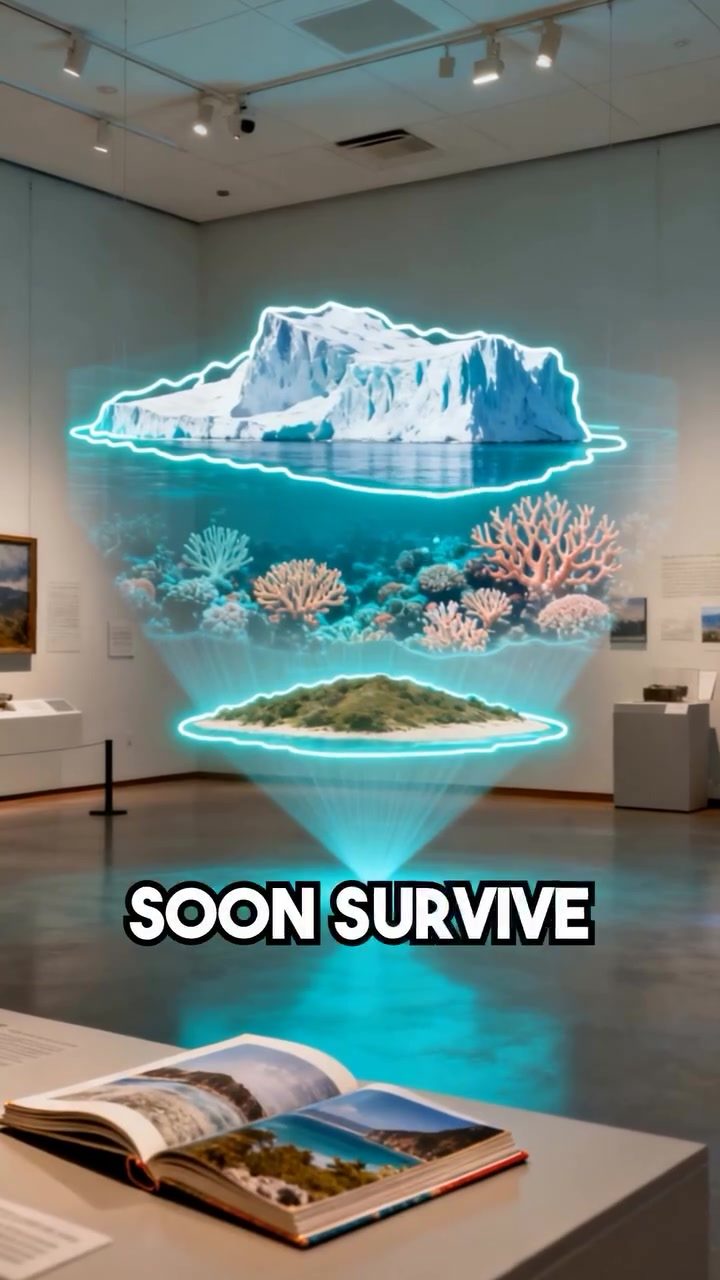
Climate change is transforming the world at an accelerating pace, with significant consequences for beloved natural landscapes and human livelihoods. Glaciers, coral reefs, and low-lying islands are changing rapidly, and these shifts have far-reaching effects on water supplies, marine ecosystems, and agricultural practices.
Context / Why this matters
Climate change is not just a distant threat; it is already altering landscapes and ecosystems worldwide. Understanding these changes is crucial for appreciating the urgency of conservation efforts and the need for global awareness.
Main discussion
The Fate of Glaciers and Coral Reefs
Glaciers are retreating worldwide, altering famous views and threatening water supplies that millions of people depend on. In addition to these natural wonders, coral reefs face severe threats from repeated marine heat waves, which cause bleaching and can collapse entire colonies. If warming trends continue, reefs could collapse, leading to the loss of countless species and vital storm barriers.
The consequences of climate change extend beyond natural landscapes. Rising seas threaten low-lying islands and coastal cities, where defenses can only hold back water for a limited time. The outlook for these regions remains uncertain, highlighting the need for proactive measures to mitigate these risks.
Climate Shifts and Agricultural Challenges
Agricultural practices are also deeply impacted by climate change. Crops like coffee and cacao, which require stable temperatures and rainfall, are facing harder seasons and possible shortages. Farmers are increasingly challenged by changing weather patterns, which can lead to reduced yields and higher prices for consumers. This highlights the interconnectedness of climate change and global food security.
The impact of climate change is not uniform, and some regions may face more severe consequences than others. However, the global nature of these shifts means that the effects are felt far and wide. For instance, the changing climate can disrupt supply chains, affect local economies, and even influence global politics.
Practical tips
Awareness and conservation are crucial in mitigating the impacts of climate change. Here are some practical steps that individuals and communities can take:
-
Reduce Carbon Footprint: Lower your carbon footprint by using energy-efficient appliances, reducing waste, and adopting sustainable transportation methods.
-
Support Conservation Efforts: Contribute to organizations focused on protecting natural habitats and promoting sustainable agriculture. This can include donations, volunteer work, or advocating for policies that support conservation.
-
Educate Yourself and Others: Stay informed about the latest developments in climate science and share your knowledge with friends, family, and colleagues. Education is a powerful tool for driving change.
-
Conserve Water: Be mindful of water usage, as climate change can exacerbate water scarcity in many regions. Implement water-saving practices in your daily life.
-
Sustainable Agriculture: For farmers, consider adopting sustainable farming practices that can help mitigate the impacts of climate change. This includes crop rotation, using drought-resistant varieties, and conserving soil health.
Important takeaways
Climate change is a complex and multifaceted issue with profound implications for the future of our planet. Key takeaways include:
-
Global Impact: Climate change affects not only distant landscapes but also has far-reaching consequences for agriculture, water supplies, and coastal cities.
-
Conservation Matters: Active efforts to conserve natural habitats and promote sustainable practices can mitigate some of the impacts of climate change. Awareness and action are essential in protecting what remains.
-
Interconnected Challenges: The interconnected nature of climate change means that solutions require a global approach, involving various stakeholders and sectors.
Conclusion
Climate change is transforming the world in ways that affect everyone. Whether it's the retreat of glaciers, the bleaching of coral reefs, or the challenges facing farmers, these changes underscore the need for global awareness and action. By understanding the depth and breadth of these impacts, we can take steps to protect our planet and ensure a sustainable future for all.
Watch the Reel
Questions readers ask
How does climate change affect glaciers and what are the consequences?
Climate change primarily causes glaciers to melt at an accelerated rate due to rising temperatures. This leads to shrinking glaciers, reduced water supplies, and increased flood risks in some regions. Additionally, melting glaciers contribute to rising sea levels, which poses threats to coastal cities and low-lying islands.
What is coral bleaching and how is it linked to climate change?
Coral bleaching occurs when corals expel the algae living in their tissues due to stress, often caused by elevated sea temperatures linked to climate change. This process turns corals white and can lead to their death if conditions do not improve. Coral reefs provide habitats for diverse marine life and protect coastlines from erosion and storms, so their loss due to bleaching can have profound impacts on marine ecosystems and coastal communities.
How does climate change impact coastal cities?
Rising sea levels, driven by melting glaciers and polar ice, threaten coastal cities with increased flooding and erosion. Additionally, more frequent and intense storms, influenced by climate change, can cause significant damage to infrastructure and displace residents. These impacts can lead to substantial economic losses and challenges for urban planning and development.
What are the global implications of climate change on water supplies?
Glaciers serve as natural reservoirs, storing water that melts and feeds rivers and lakes during warmer months. As glaciers retreat due to climate change, the water supply for communities downstream can become unreliable or diminish entirely, affecting agriculture, hydropower, and drinking water sources. This can lead to water scarcity and conflicts over resources in some regions.
Why is it important to raise awareness about climate change and its effects on glaciers, coral reefs, and coastal cities?
Raising awareness about the impacts of climate change on glaciers, coral reefs, and coastal cities is crucial for encouraging global action. When people understand the far-reaching consequences, it becomes more likely that they will support policies and practices that mitigate climate change, such as reducing greenhouse gas emissions and supporting conservation efforts. This collective action can help protect vital ecosystems and support communities that depend on them.
What can individuals do to help mitigate the effects of climate change?
Individuals can contribute to mitigating climate change by reducing their carbon footprint through actions such as conserving energy, using renewable energy sources, and adopting sustainable practices. Additionally, supporting conservation initiatives and advocating for policies that address climate change can make a significant difference in protecting glaciers, coral reefs, and coastal cities from further damage.
What are some of the most noticeable signs of climate change on glaciers?
Some of the most noticeable signs of climate change on glaciers include visible retreat of glacier fronts, thinning of ice, and the formation of new lakes at the glacier's base. These changes are often documented through time-lapse photography, satellite imagery, and field studies, providing clear evidence of the accelerating pace of glacier melting due to global warming.
Related deep dives
Similar reads based on topic and creator.

Recent articles
Fresh deep dives from the latest Reels we unpacked.




Comments
Be the first to comment.